Carbon Beach HVAC, Electrical & Plumbing

Carbon Beach is a Westside Los Angeles beachfront luxury market where corrosion and equipment placement are central. Premium HVAC installation, heat pump conversion, AC replacement, electrical panel upgrades, and plumbing service available with permit-pulled scope and AHRI matched-system documentation. Standard booking opens within 48–72 hours; emergency dispatch within 60–120 minutes. Call +1 (213) 277-6575.

★★★★★ 5.0 · 30+ verified reviews · Permit-pulled installs · AHRI matched systems

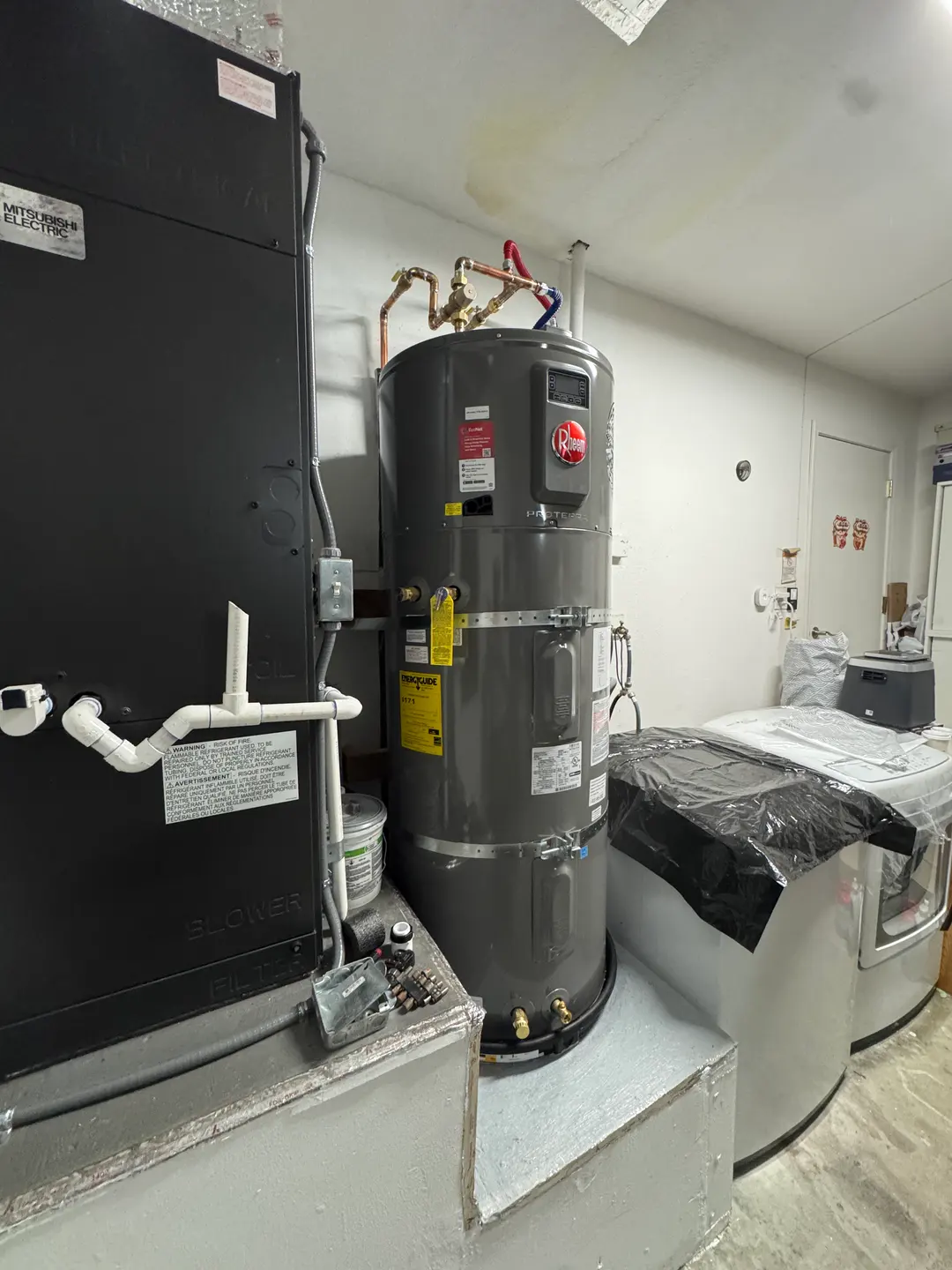
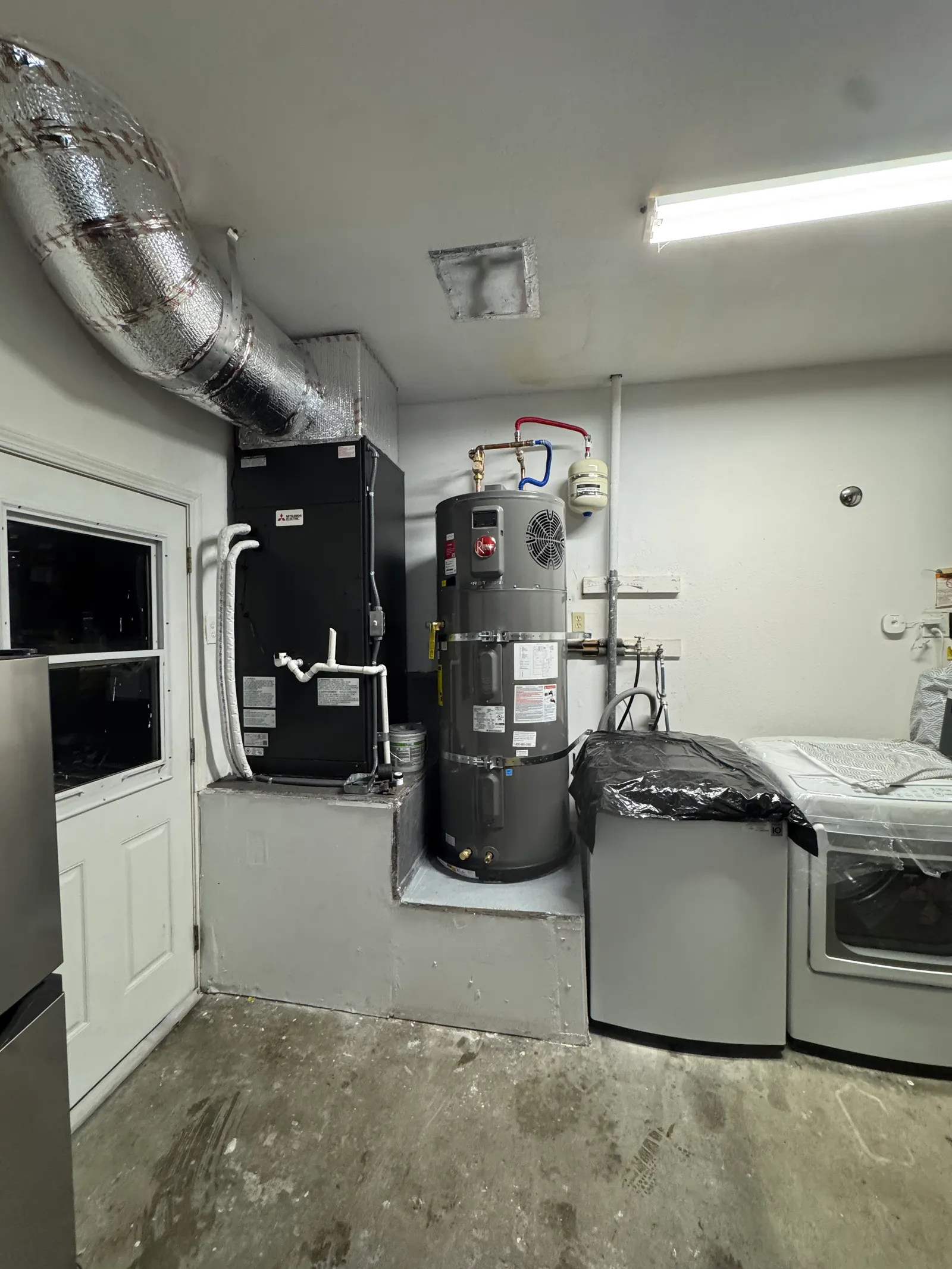
Rheem residential water heater installed alongside a Mitsubishi Electric air handler in a West Los Angeles garage utility room with insulated supply duct

Coastal HVAC: salt, wind, and the equipment specification that actually survives

Carbon Beach HVAC, electrical, and plumbing service has to plan for PCH staging and salt-air protection, with seasonal pressure from salt-air corrosion and marine-layer moisture. Each service page below ties a Westside install discipline to the realities of this neighborhood.

The single most important number in coastal HVAC is the distance from mean high tide. Equipment within 1,500 feet of the ocean operates in a different corrosion regime than equipment 1.5 miles inland. A standard galvanized condenser fan housing within 500 feet of mean high tide pits within 18 months. A factory seacoast-package coil with phenolic coating and stainless hardware within the same 500 feet operates at 95% of rated efficiency at year 8. The cost premium for the seacoast specification is roughly 12%; the equipment-life delta is 60–80%. The math is not subtle.

Wind direction matters as much as distance. Carbon Beach, Broad Beach, and Malibu Colony face westerly prevailing winds; condensers placed on the windward side absorb salt spray directly. Castellammare and Serra Retreat face the canyon-channeled cross-winds that swirl debris from inland brush onto the coil face. Our practice is to walk the property with a windsock and identify the leeward side of every potential pad location before placement is finalized. The wrong placement turns a 20-year coil into a 6-year one.

Permit jurisdiction in this cluster is fragmented. Malibu City handles its incorporated areas with specific HVAC streamlined forms that route faster than LA County for replacement work but require more documentation on placement-and-screening. LA County handles the unincorporated Malibu hills, which means a different inspection scheduler, different fee structure, and longer typical review windows. Coastal Commission jurisdiction overlays both for properties seaward of certain lot lines. We verify by parcel and route the permit through the correct office before quoting. The Malibu permit form (the streamlined HVAC version) is faster than most counter-counter-counter LADBS dispatch operations once you know how to fill it out — so we file electronically when the property qualifies.

The flue and venting story on coastal properties is as important as the condenser story. A standard aluminum tankless flue in a 250-foot-from-ocean garage corrodes through within 5 years. The specification we use here is concentric stainless flue assemblies (Navien NPE-240A2 with the SS option, or equivalent). It costs a few hundred dollars more on materials and avoids a ten-year service-life problem. Same logic for water heater anode rods: standard magnesium degrades fast in coastal water; aluminum-zinc rods last longer in the local water-quality profile.

Maintenance is part of the design, not a sales upsell. We write a quarterly coil-rinse maintenance plan into every coastal install close-out. The plan is short: clean the coil with fresh water during the dry-season months when wildfire-smoke debris and salt residue accumulate. Owners who follow it routinely see equipment outlast its rated life by 30–50%. Owners who skip it get the standard coastal coil failure between year 5 and year 7. We have data from 50+ coastal Westside installs that supports this; the maintenance plan is the single highest-leverage post-install document we deliver.

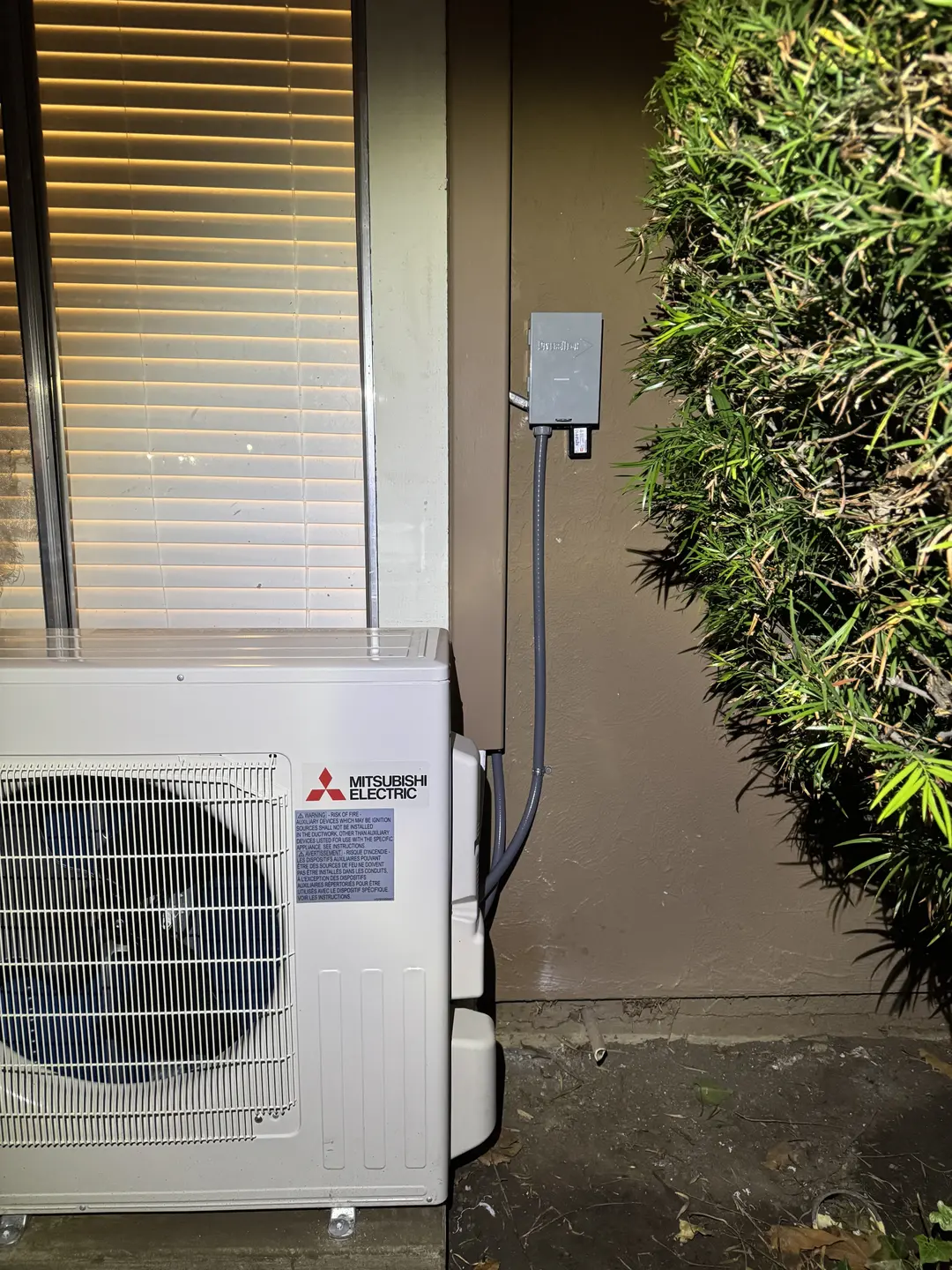
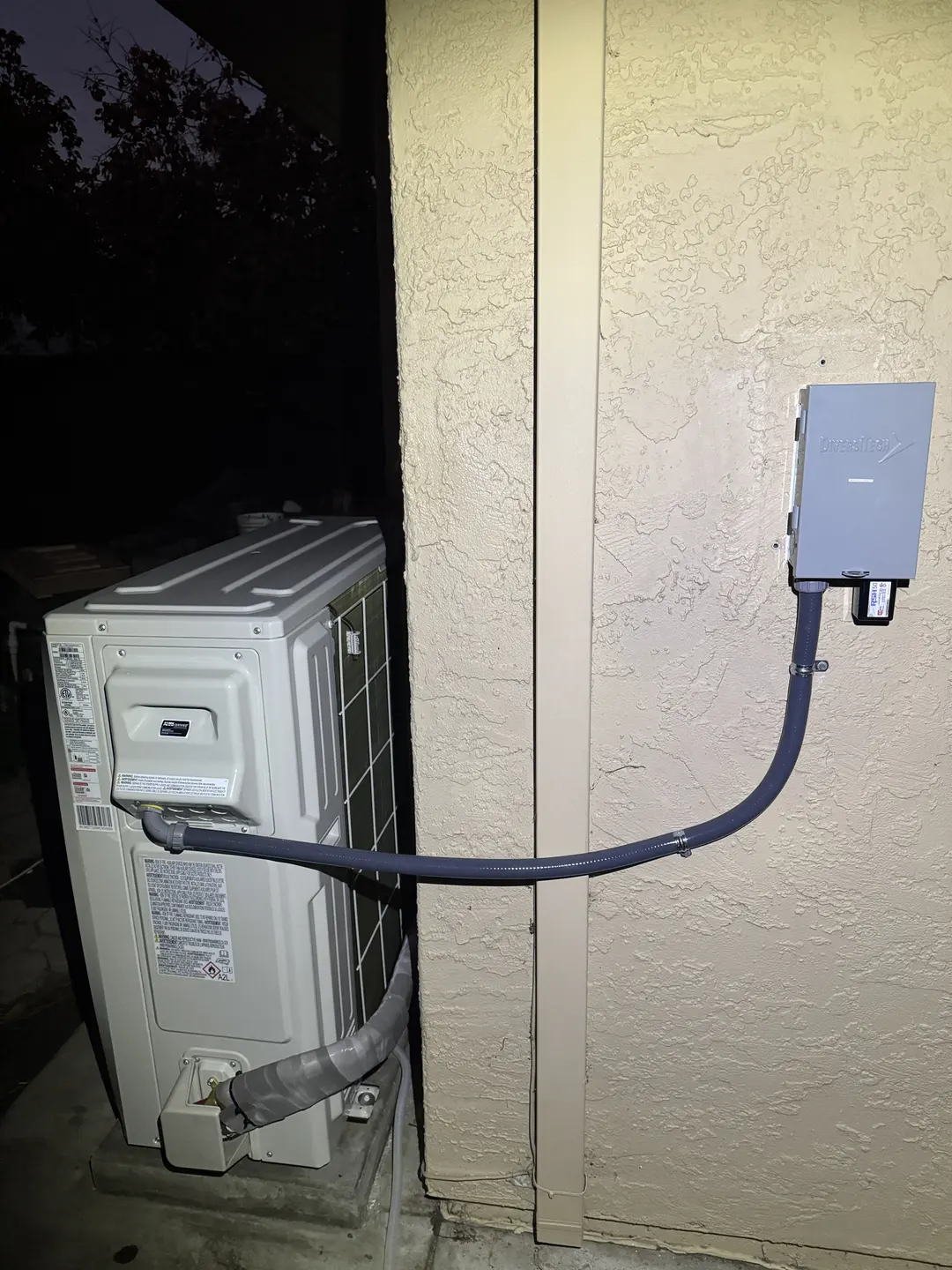
Outdoor disconnect housings are NEMA 4X (stainless or coated steel rated for wash-down environments) in this cluster. The standard NEMA 3R housings rust through at the conduit penetrations within 3–4 years. Cost difference at install is under $200 per disconnect; cost of replacing a corroded NEMA 3R after a coastal failure is $1,500+ in labor plus the part. The 4X spec is non-negotiable on our coastal estimates.

Hillside-coastal hybrids (Castellammare, Trancas Canyon, Serra Retreat) get the coastal corrosion package and the hillside access protocol simultaneously. These projects move slower because the equipment delivery, the brush-clearance compliance check, and the screening review all stack onto the corrosion-resistant equipment selection. We allow 10–14 day install windows on hybrid coastal-canyon work, not the 5–7 day window we would use on a flat-lot Brentwood install.

  • Distance from mean high tide is the single most important spec input
  • Seacoast-package equipment: 12% cost premium, 60–80% life extension
  • NEMA 4X disconnects mandatory; NEMA 3R fails 3–4 years inland of beach
  • Quarterly coil-rinse maintenance plan written into every close-out

Carbon Beach at a glance

Cluster: coastal · Type: beachfront luxury market where corrosion and equipment placement are central.

Anchors: Carbon Beach, Pacific Coast Highway, beachfront homes, coastal service roads.

Building mix: beachfront homes, high-end remodels, tight mechanical closets, coastal outdoor units, premium interiors.

Access constraints: PCH staging, salt-air protection, visual screening, roof or side access, owner-rep scheduling.

What the first walk on Carbon Beach coastal property identifies

Carbon Beach pages should connect brand choice with coastal protection.

Carbon Beach is best treated as a beachfront luxury market where corrosion and equipment placement are central. Homes around Carbon Beach, Pacific Coast Highway, beachfront homes, coastal service roads can include beachfront homes, high-end remodels, tight mechanical closets, coastal outdoor units, premium interiors. That variety matters because an HVAC, electrical, or plumbing call may involve an older panel, slab foundation, sewer lateral, water heater closet, crawl space, garage conduit path, side-yard condenser, or utility shutoff before the core repair can begin.

Seacoast-package equipment: 12% premium, 60-80% life extension

The local utility and permit context decides scope. Malibu and coastal canyon properties can involve City of Malibu or county review, SCE electric territory, water district details, SoCalGas gas context, coastal corrosion, and equipment screening questions For permitting and inspection, the relevant context is Coastal and hillside addresses may require local building safety, equipment screening, exterior placement, mechanical permit, electrical permit, or plumbing permit review. A simple repair may stay straightforward, but equipment replacement, new circuits, repiping, sewer repair, water-heater replacement, heat pump installation, EV charger work, gas-line work, or remodel-related changes can trigger documentation and inspection steps.

Hybrid hillside-coastal projects and the 10-14 day window

In Carbon Beach, the most common service friction includes rapid condenser corrosion, marine moisture, water heater corrosion, limited pad placement, noise constraints. HVAC calls become more than a thermostat issue when airflow is restricted by old duct design, condensate cannot drain, freeway dust has loaded the condenser coil, or the electrical panel is too tight for a modern heat pump. Electrical calls expand when old panels, ungrounded circuits, overloaded appliance loads, or SCE service planning make a simple device repair into a panel question. Plumbing calls become urgent when a garage water heater leaks, a slab leak moves under flooring, a shutoff fails, or a sewer line is affected by roots or old pipe material.

Tankless flue specification: stainless concentric only

Seasonal context matters too: salt-air corrosion, marine-layer moisture, wind-driven dust, brush-season smoke, hot inland canyon afternoons. During heat events, no-cooling calls can involve vulnerable occupants and overloaded temporary cooling. During wildfire smoke periods, filtration, duct leakage, and fresh-air paths drive urgency. During rain or heavy-use periods, slow drains and sewer odors move from annoyance to backup risk.

Documentation handed off at close-out

Prepare for PCH staging, salt-air protection, visual screening, roof or side access, owner-rep scheduling. If a landlord, tenant, utility, city inspector, garage access, or shutoff location must be involved, solve that before the service window so the visit does not become an access-only trip. Replacement scope is sequenced around access constraints, not the other way around.
From the project ledger: recent Carbon Beach-area work

Documented projects with measurements, equipment specifications, and outcomes — not stock photography or vague claims.

2025-11-18 → 2025-11-25

Carbon Beach: Navien tankless + recirculation, stainless flue for salt air

Old 75-gal tank rusted through from underneath in 7 years. Tankless conversion plus recirculation loop because the master bath is a long run from the garage.

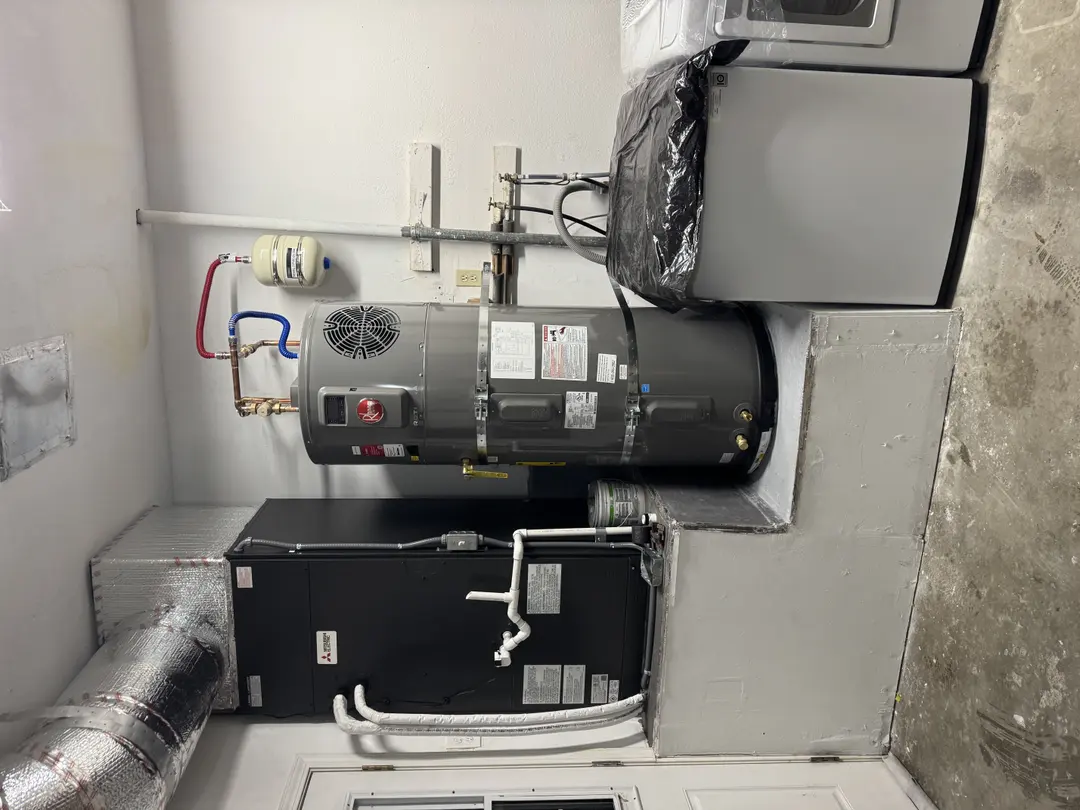
Top view of a newly installed Rheem electric water heater with copper trim, expansion tank, and seismic strapping in a West Los Angeles utility room
Property
Beachfront single-family (1998)
Removed
Bradford White MI75T6FBN 75-gal natural gas tank, 2018 install
Installed
Navien NPE-240A2 tankless + recirculation pump + stainless concentric flue
Permit
City of Malibu plumbing + mechanical, inspection cleared 2025-11-28
Cost
$7 800–$8 800
  • Gas line upsized from 1/2 to 3/4 inch from meter to unit
  • Stainless concentric flue specifically chosen for salt-air corrosion
  • Recirculation loop reduces master-bath hot-water wait from 70 sec to 9 sec
  • City of Malibu permit and inspection coordinated

Measurements

Hot Water Wait Time Pre
70 seconds at master bath
Hot Water Wait Time Post
9 seconds at master bath
Uef
0.97 (vs prior tank 0.62)

Field note: Coastal tankless installs need stainless venting. The aluminum default fails fast within a quarter mile of the beach.

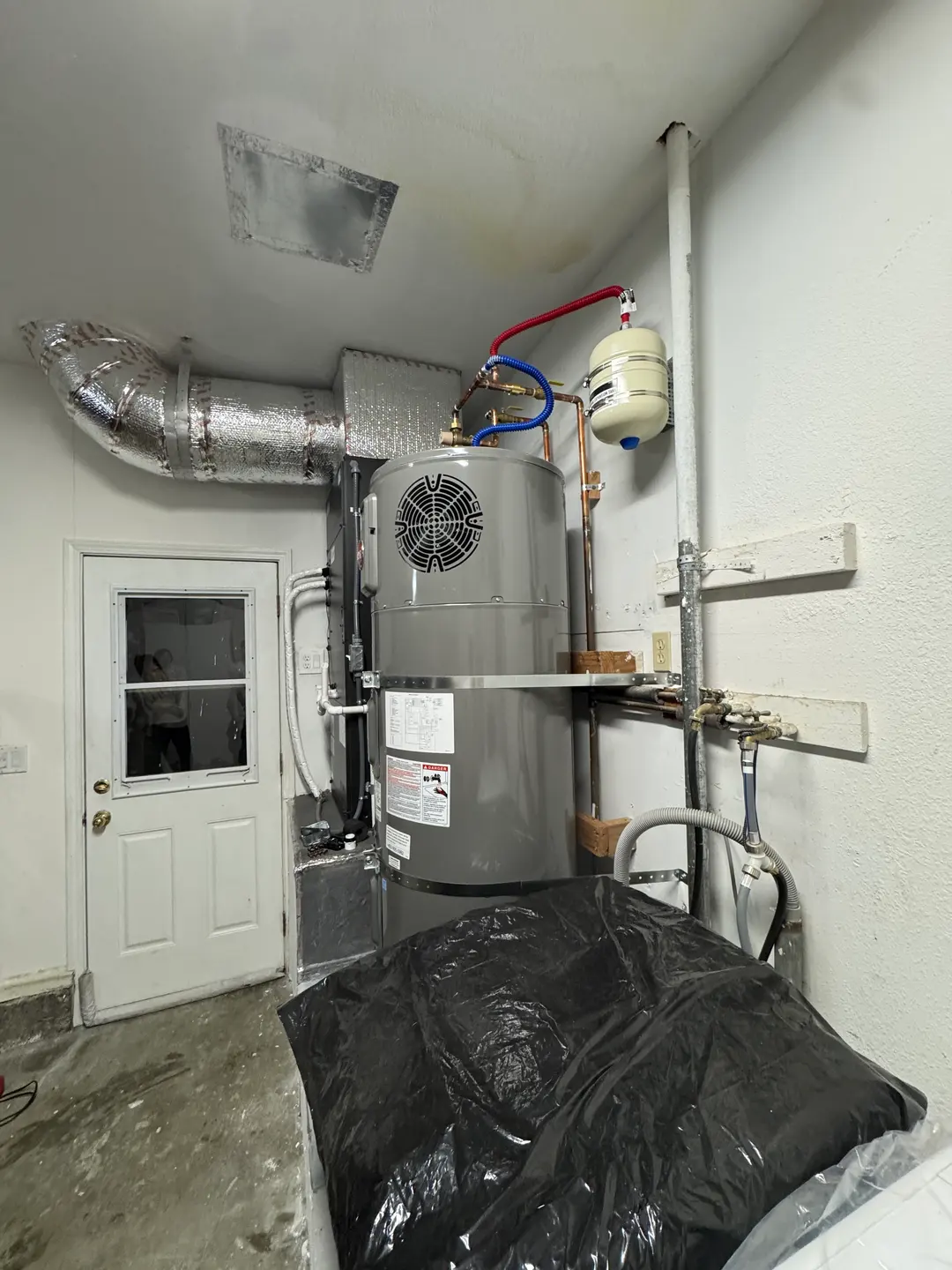
Rheem water heater installed beside a Mitsubishi Electric air handler in a clean white-walled mechanical room with PVC condensate piping and dedicated drain pan
2024-12-02 → 2024-12-10

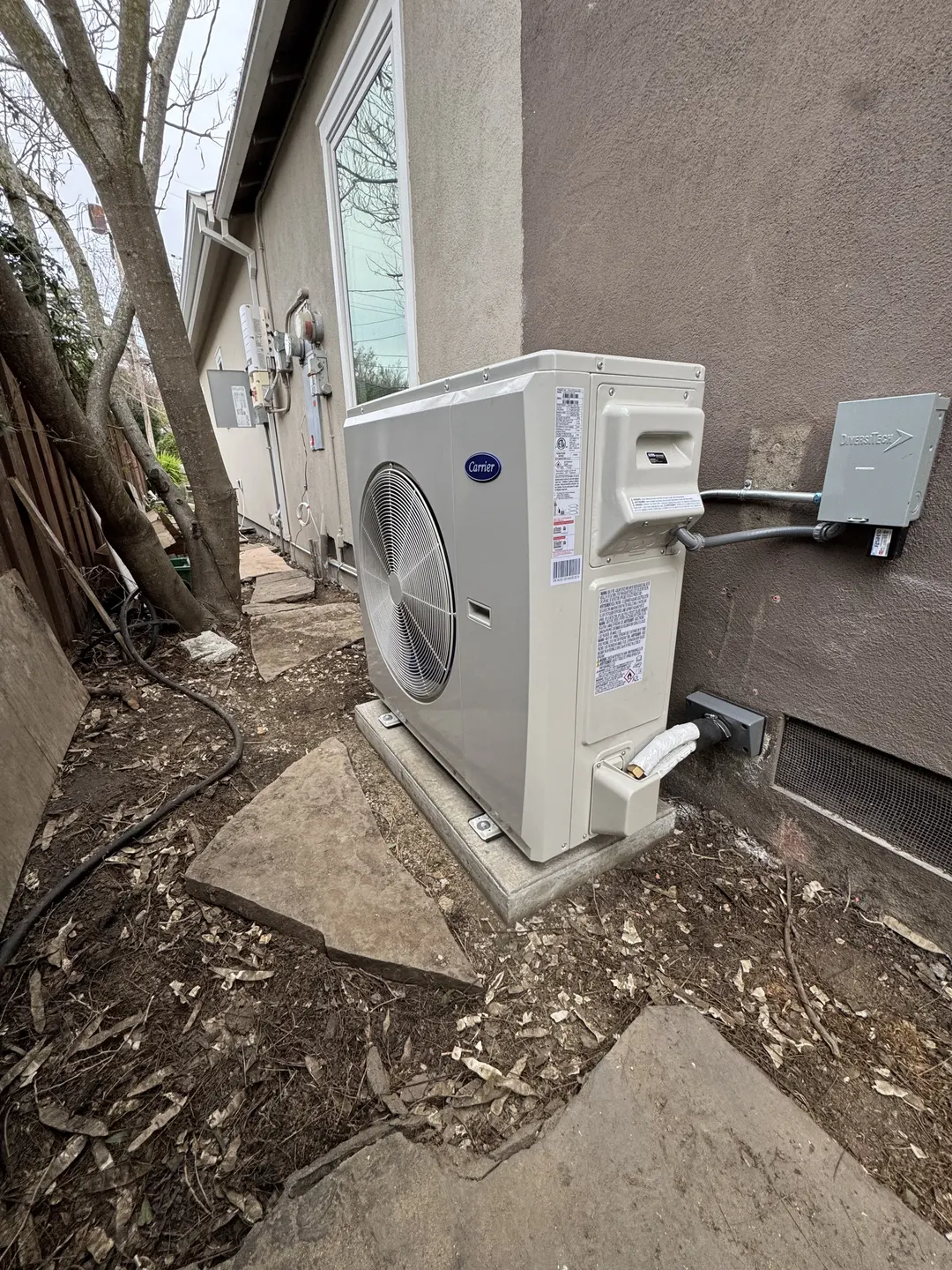
Malibu Colony: Carrier 24VNA6 with seacoast package after 6-year coil failure

Previous condenser failed at year six because nobody specified a coastal package. New install is on the leeward side of the property with a stainless mounting bracket.

Carrier outdoor heat pump on a low concrete pad next to a Pico-Robertson home with dedicated electrical disconnect and protected condensate line
Property
Beachfront single-family (2002)
Removed
Lennox XC21 3.5-ton, installed 2018, complete coil corrosion at the lower header
Installed
Carrier 24VNA660A0036A0 with factory seacoast coating + FE4ANF005 air handler
Permit
City of Malibu HVAC streamlined form submitted, inspection cleared 2024-12-15
Cost
$17 200–$19 400

Field note: Coastal HVAC is a different equipment category. The factory seacoast package costs about 12% more upfront and pays back the first time a non-coastal coil would have failed.

Pricing reference for Carbon Beach

Public planning ranges for the most common premium projects we deliver in this neighborhood. Final estimates depend on diagnosis and access.

ServicePlanning rangePermit context
Premium HVAC Installation $11 800–$48 000 Premium HVAC installation or replacement can require mechanical permits, matched-equipment documentation, electrical disconnect or circuit review, condensate routing, duct changes, and final inspection depending on jurisdiction and scope.
AC Replacement $7 400–$29 500 AC replacement may require mechanical permit review, equipment matching documentation, electrical disconnect review, and inspection when equipment, ducts, refrigerant lines, or location changes.
Heat Pump Installation $9 200–$42 000 Heat pump installation can involve mechanical and electrical permits, new circuits or disconnects, duct or line-set modifications, equipment location review, rebate documentation, and inspection.
Ductless Mini-Split Installation $4 800–$26 000 Ductless installation can require mechanical and electrical permits when new circuits, outdoor equipment, condensate routing, penetrations, or multi-zone system changes are involved.
Ductwork and Airflow $450–$14 500 Minor duct repair may stay simple; substantial duct replacement, energy-code scope, equipment replacement, or major redesign can require permit review and inspection.
Emergency HVAC $285–$4 200 Emergency HVAC diagnostics can start with make-safe work; replacement, electrical changes, equipment relocation, or major mechanical scope should still be documented and permitted where required.
Electrical Panel Upgrade $3 600–$18 500 Panel upgrades commonly require permits, inspection, utility coordination, grounding review, service-size planning, and load documentation.
EV Charger Installation $1 200–$11 800 EV charger circuits usually require electrical permits and inspection, with panel capacity, load management, utility territory, and charger amperage reviewed before installation.
Emergency Electrical Repair $285–$4 800 Emergency make-safe work can begin with safety diagnostics; permanent repair, rewiring, panel replacement, or service changes may require permits and inspection.

Carbon Beach service matrix

Choose the trade or jump into a high-intent service-by-area page.

Send HVAC, electrical, or plumbing details for Carbon Beach.

Use the booking link and include home type, symptom, utility clues, shutoff or panel location, cleanout access, parking notes, and any city or landlord requirements.

Nearby service areas

Castellammare

coastal hillside market where salt air, views, and tight equipment placement drive HVAC planning. Common concern: coastal corrosion.

Castellammare install playbook

Malibu Colony

coastal luxury market where salt air, access, and local review can change replacement scope. Common concern: salt-air coil damage.

Plan a Malibu Colony project

Point Dume

Malibu coastal headland market with ocean exposure, estate lots, and equipment screening needs. Common concern: coastal corrosion.

Point Dume field profile

Broad Beach

Malibu beachfront market with salt-air HVAC wear and high finish-protection expectations. Common concern: coil corrosion.

Open Broad Beach

Trancas

north Malibu coastal and canyon market with wind, salt, and longer service routes. Common concern: coastal corrosion.

Trancas service area

Marquez Knolls

Pacific Palisades hillside residential market with split-level homes and coastal-canyon comfort swings. Common concern: hot upper rooms.

Marquez Knolls service map

Helpful guides for Carbon Beach

Decisions that often come before a repair, replacement, or remodel-adjacent project.

Homeowner Questions

Short answers for the questions that usually decide whether this is a repair, replacement, inspection, or emergency visit.

What makes HVAC, electrical, and plumbing service different in Carbon Beach?

Carbon Beach is a beachfront luxury market where corrosion and equipment placement are central. The local profile combines beachfront homes, high-end remodels, tight mechanical closets with access constraints like PCH staging, salt-air protection, visual screening. Each service is adapted to that profile.

Which utility and permit pathway applies for Carbon Beach addresses?

Malibu and coastal canyon properties can involve City of Malibu or county review, SCE electric territory, water district details, SoCalGas gas context, coastal corrosion, and equipment screening questions Permit context: Coastal and hillside addresses may require local building safety, equipment screening, exterior placement, mechanical permit, electrical permit, or plumbing permit review.

What emergencies are most common in Carbon Beach?

Common urgent risk signals: rapid condenser corrosion, marine moisture, water heater corrosion, limited pad placement. Active leaks, burning electrical smells, no cooling during heat, gas odor, or backed-up drains are dispatched within 60–120 minutes.

What HVAC brands install best on Carbon Beach homes?

Coastal addresses lean toward Carrier 24VNA6 with seacoast package, Lennox EL18XCV with corrosion-resistant coil, or Mitsubishi side-discharge units placed leeward of prevailing salt-air winds.

How do I prepare for the visit?

Confirm parking, garage or side-yard access, shutoff and panel locations, cleanout access, utility clues, and any landlord or city inspection requirements. Send equipment label photos, panel photos, and a 60-second video walkthrough through the booking link.

Carbon Beach-area homeowner reviews

These visible review bodies are kept in exact parity with the JSON-LD review schema on this page.

Claire Aslanian Carbon Beach

The old 75-gal tank in the garage rusted out from the underside in less than seven years. They recommended a Navien tankless with a recirculation loop because we have a long run from the garage to the master bath, and put it in a stainless flue that handles salt-air corrosion. Hot water at the master bath in 9 seconds vs. about 70 seconds before. Filed the permit through City of Malibu and coordinated with our gas service for the larger gas line.

Nora Ashrafi Carbon Beach

Carbon Beach front-row install, just one head. They specified the salt corrosion package and used a stainless wall bracket. Living room holds 71 even when the south-facing glass is taking direct afternoon sun.

Gisela Brennan Carbon Beach

City sent a notice that our RPZ backflow assembly had failed certification. They replaced it with a new Watts 909 RPZ, scheduled the certification test, and while they were on site swapped a failing recirculation pump for a Grundfos UP15 with a built-in timer. Cleared the city notice and the recirculation is quieter than before.

Luca F. Carbon Beach

Carbon Beach property, 60 feet from the high tide line. Previous units lasted four and five years. West HVAC specced the Daikin Fit with the factory seacoast coil coating, ASTM B117 rated, and added a stainless steel cabinet upgrade. Equipment is mounted on the leeward side of the garage with a custom hood to reduce direct salt spray. Quarterly rinse maintenance is on a recurring service ticket so I do not have to remember to call.

Design Call