What a EV charger installation project actually involves in Carbon Beach
Most EV charger installation bids in Carbon Beach miss what the home is asking for. Electrical work on beachfront homes and high-end remodels requires salt-air protection, attention to marine moisture, and a permit pathway that respects coastal and hillside addresses may require local building safety. Our scope is built for that.
Three details change electrical pricing in Carbon Beach more than equipment tier: PCH staging, rapid condenser corrosion, and salt-air corrosion. EV Charger Installation that ignores any one of those tends to come back as a callback within 18 months. We surface those before signing.
Carbon Beach field profile
Three numbers that matter for Carbon Beach HVAC: Carbon Beach as the navigation anchor, beachfront homes as the dominant building type, and rapid condenser corrosion as the most common failure pattern. Around them, the install scope adapts. Coastal and hillside addresses may require local building safety, equipment screening, exterior placement, mechanical permit, electrical permit, or plumbing permit review.
Sizing, brand selection, and placement
Three things can blow up a EV charger installation budget in Carbon Beach: undersized return air, the wrong load management, and unplanned electrical work when the panel turns out to be 100 amps. We catch those at the photo review, not on day two of the install.
What we do not do: keep resetting breakers on a tripping circuit, run water into a backed-up drain, operate HVAC equipment that smells hot or is spilling water, or quote replacement before a real diagnostic. Those shortcuts turn small repairs into bigger damage.
How the existing building decides the scope
For EV charger installation in Carbon Beach, the bias should be repair when the equipment is under ten years old, the failure is mechanical (not refrigerant or heat-exchanger), and the scope is contained. Replacement gets the nod when repeat callbacks, refrigerant transition, or wrong breaker size change the math.
Permit pathway through the local jurisdiction
EV charger circuits usually require electrical permits and inspection, with panel capacity, load management, utility territory, and charger amperage reviewed before installation. For this market specifically: Coastal and hillside addresses may require local building safety, equipment screening, exterior placement, mechanical permit, electrical permit, or plumbing permit review.
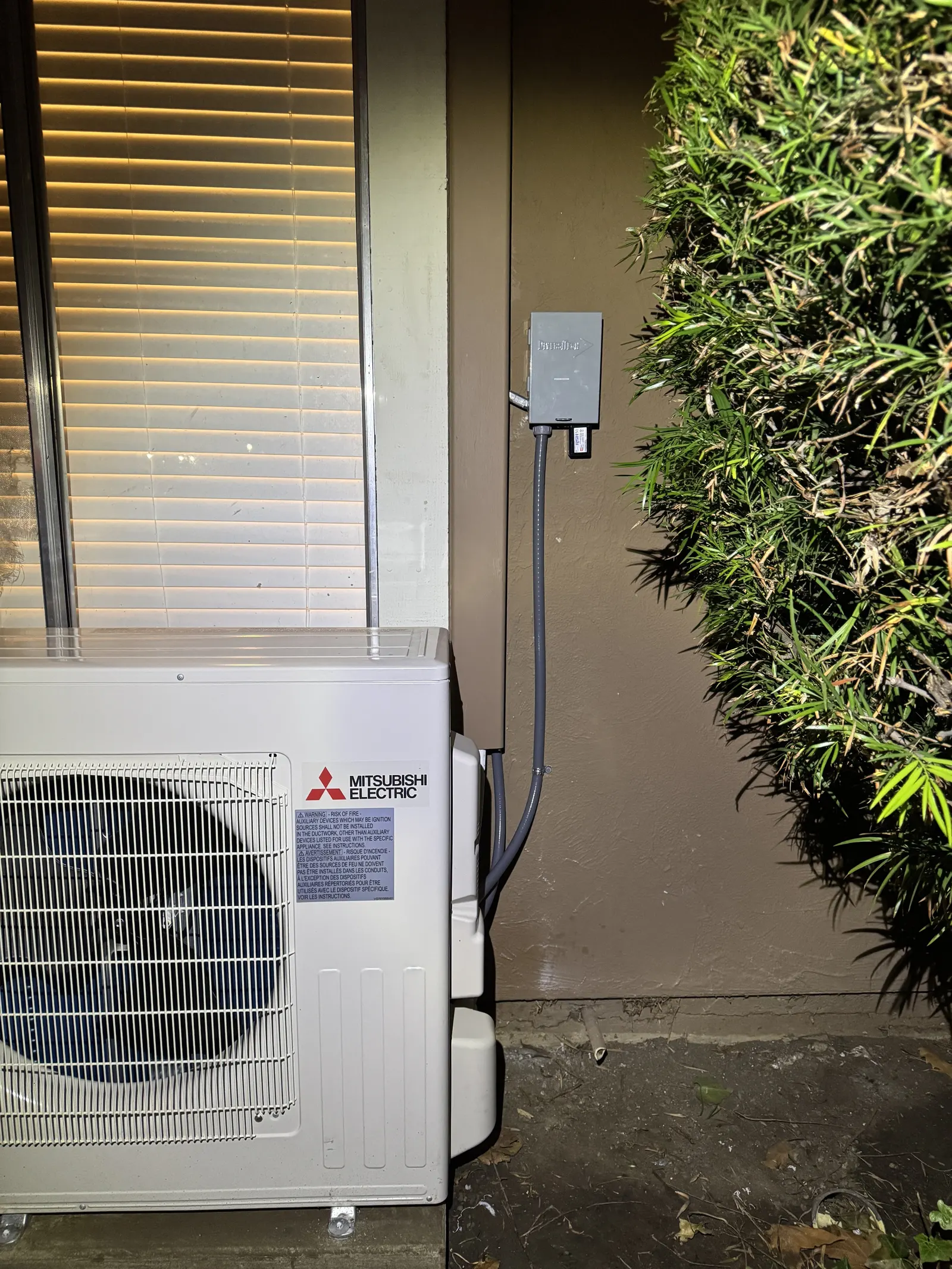
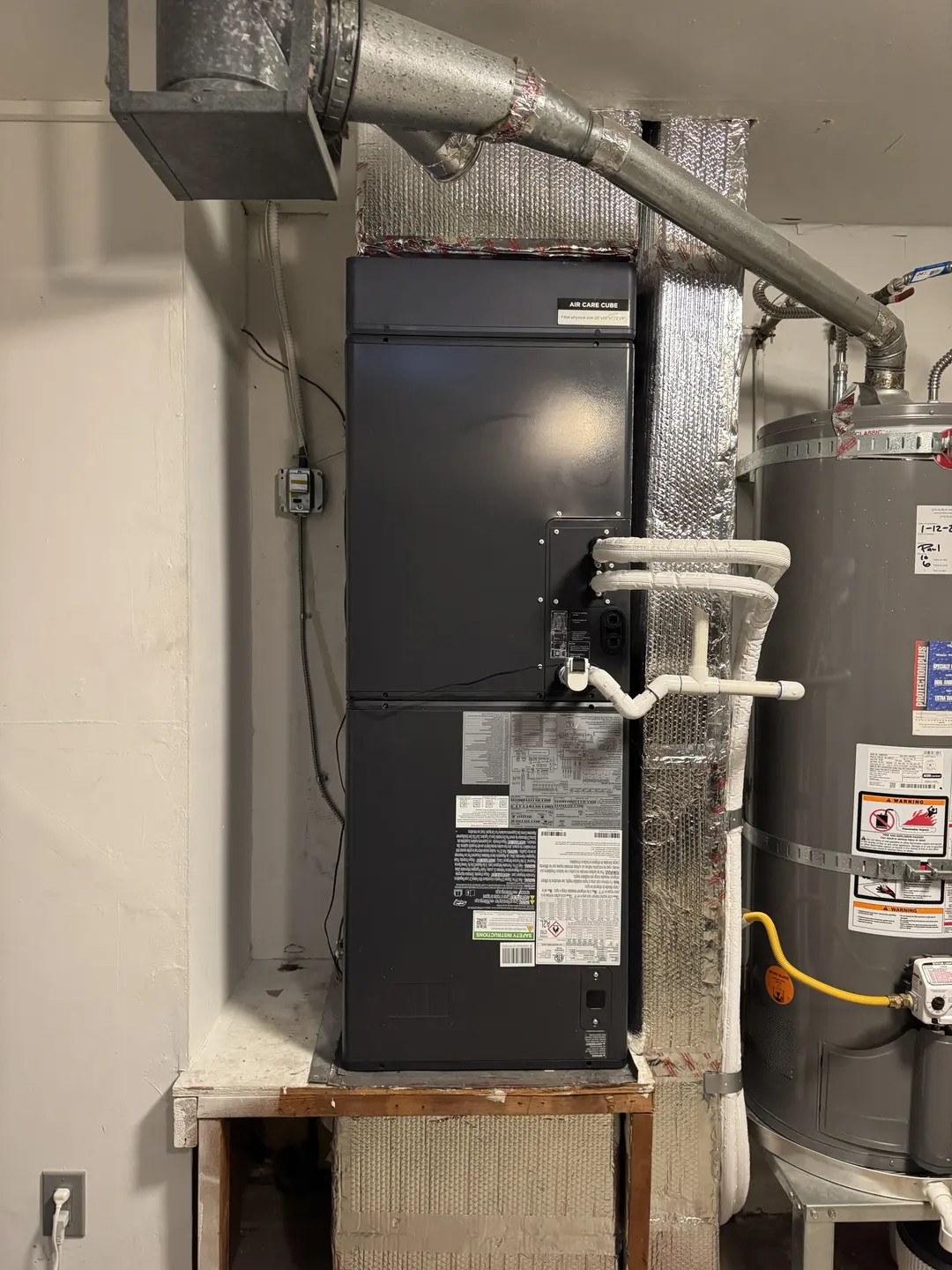
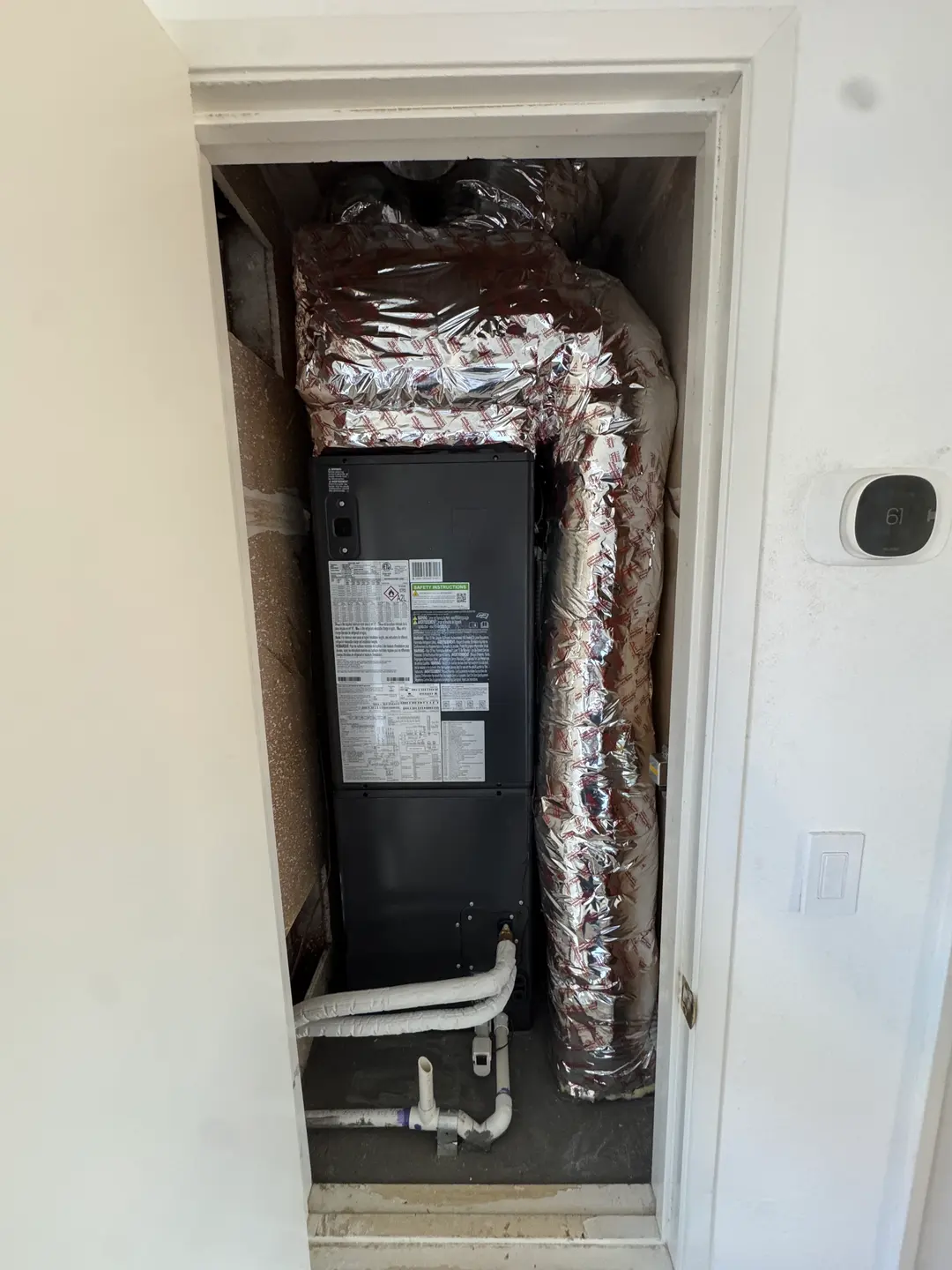
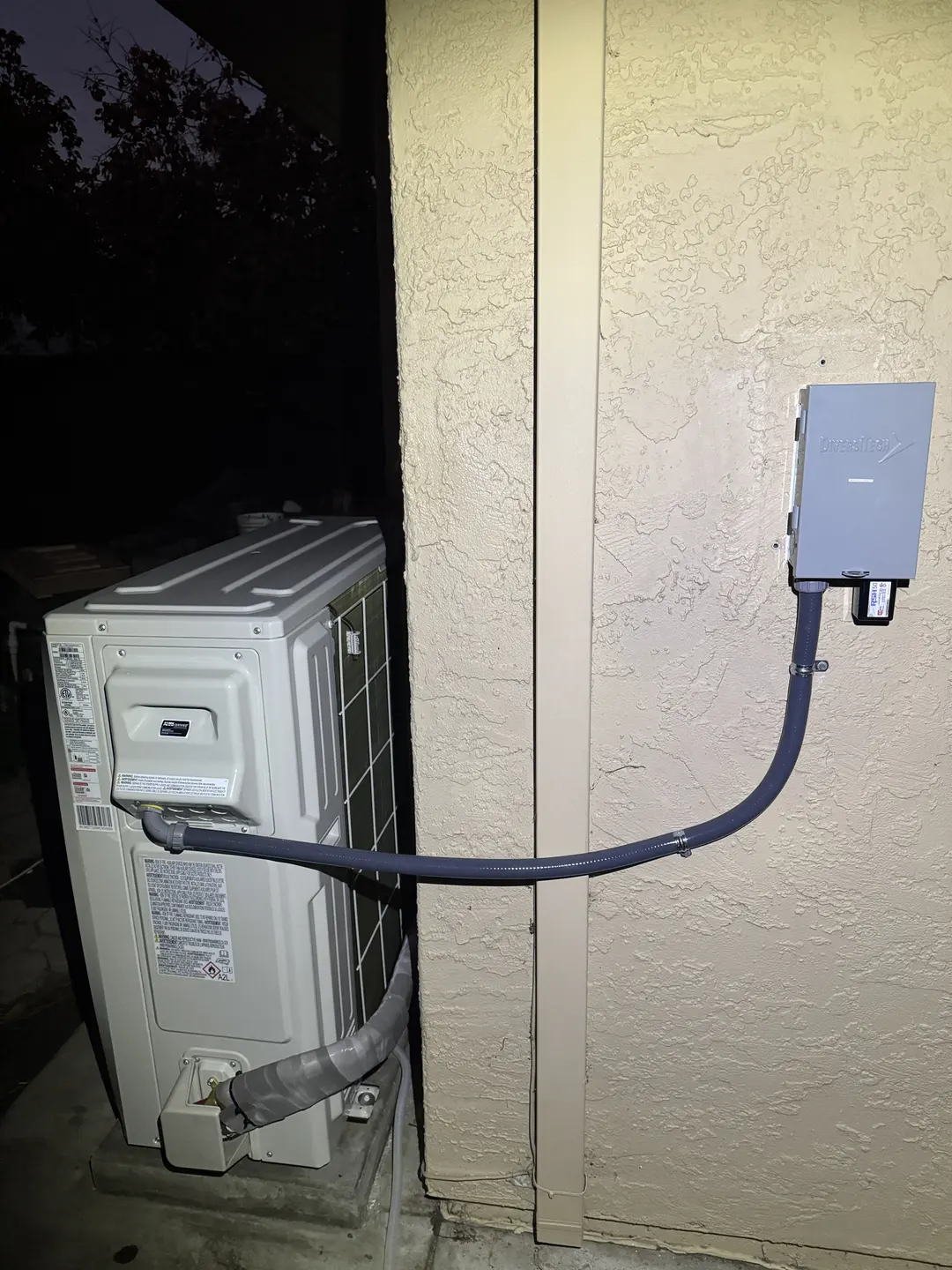
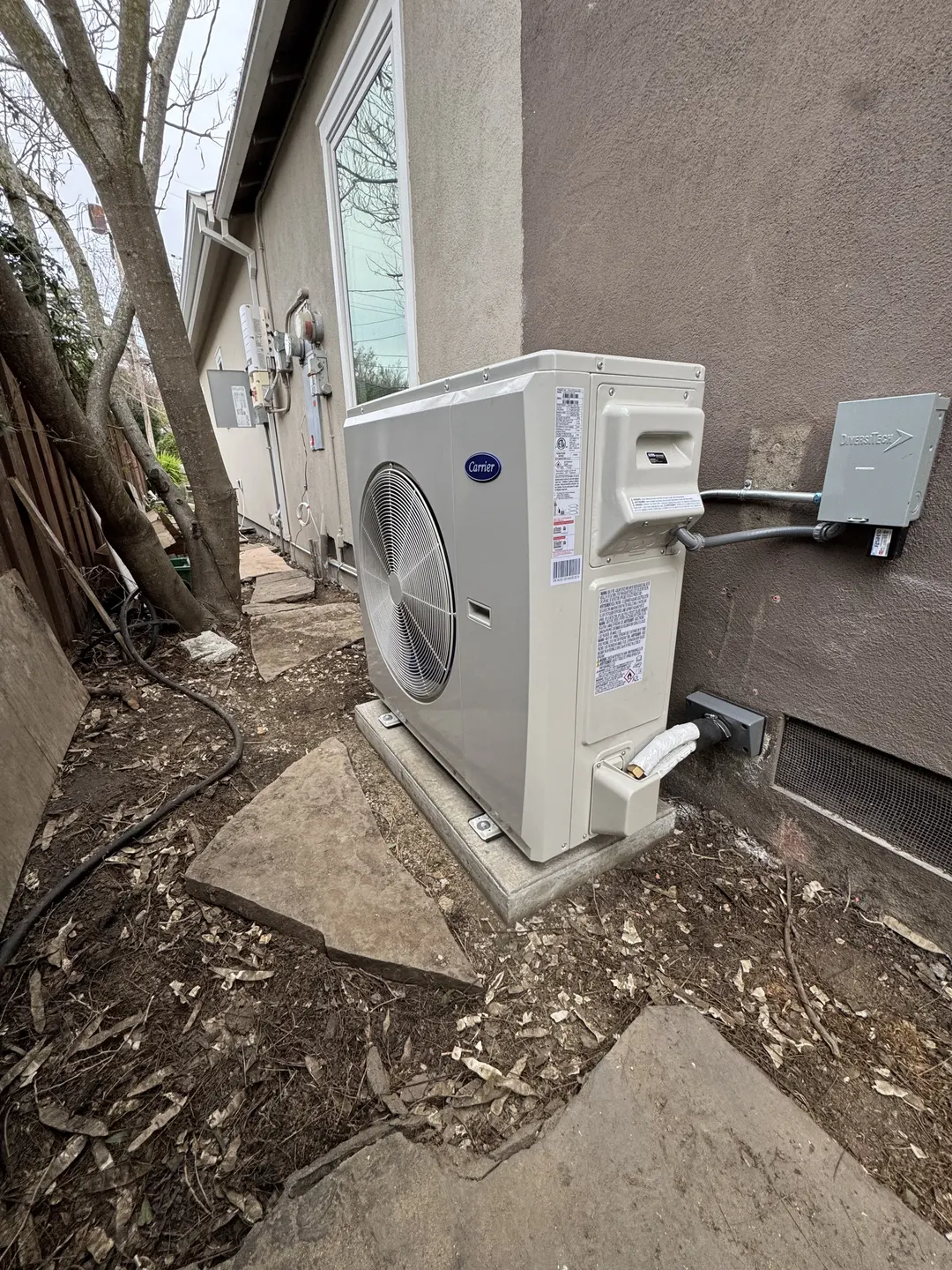
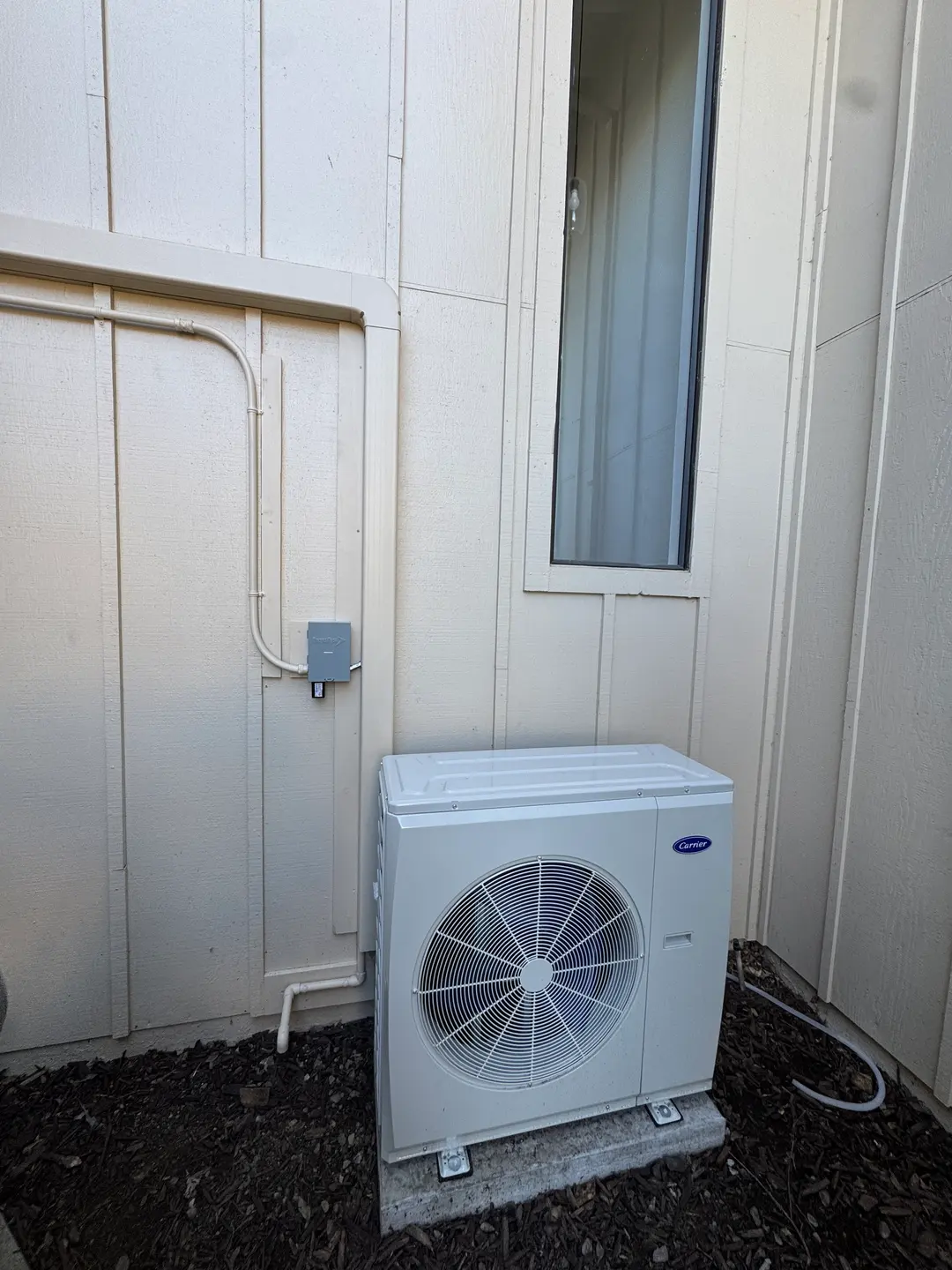
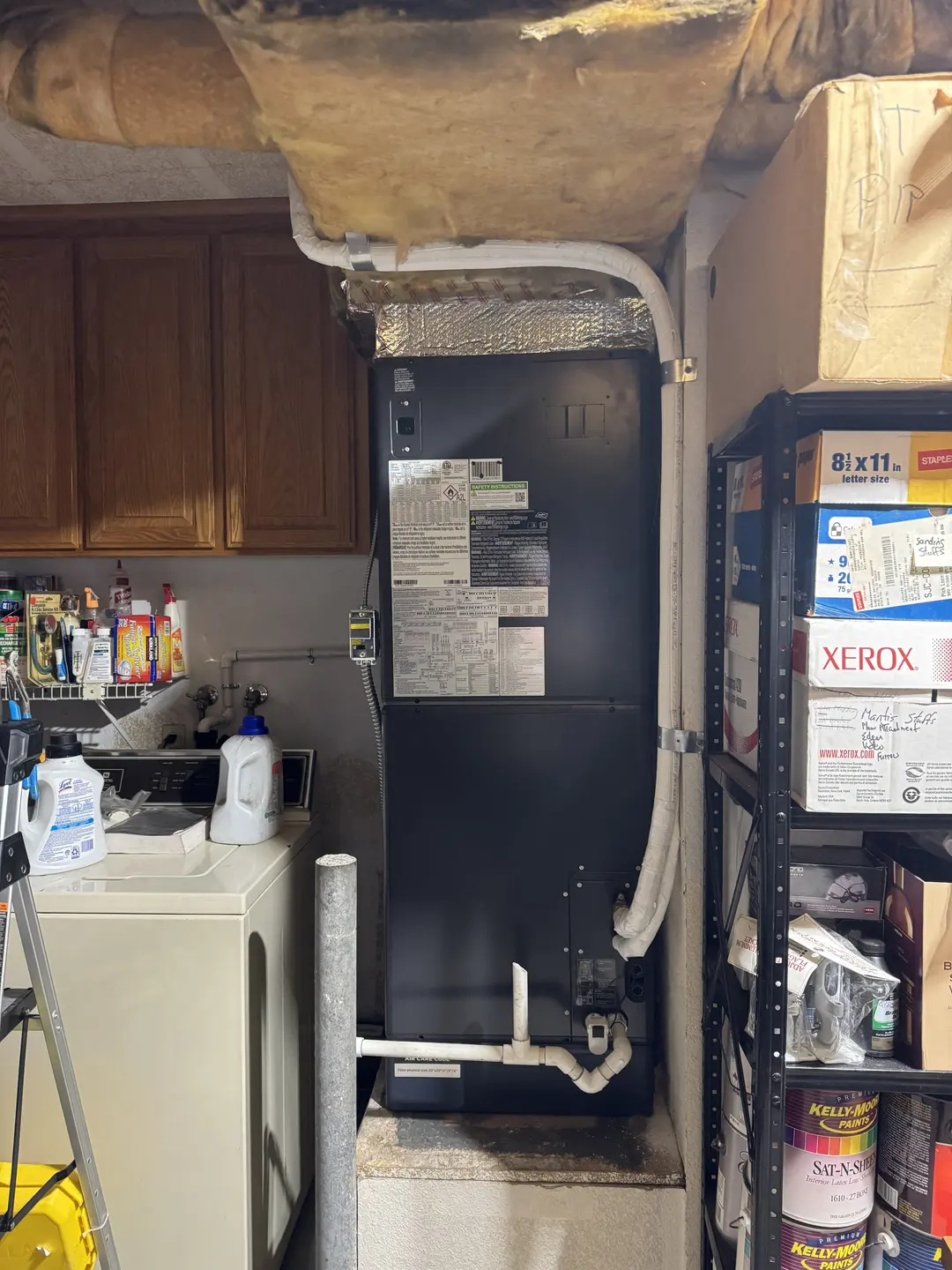
The replacement scope opens with photos and a site walk. We measure static pressure, photograph the panel main breaker, list comfort complaints by room, and confirm whether HOA, estate-manager, or jurisdictional review is going to be in the project critical path. Inspection-day documentation is prepared from day one — AHRI certificate, equipment serial numbers, electrical disconnect routing, condensate plan.
Commissioning and the close-out package
Single most useful prep for a Carbon Beach appointment: a 90-second video walkthrough of the equipment, the panel, and the affected room. Audio is fine. Send it through the booking link or text the photos to +1 (213) 277-6575.