Malibu Colony at a glance
Cluster: coastal · Type: coastal luxury market where salt air, access, and local review can change replacement scope.
Anchors: Malibu Colony, Pacific Coast Highway, beachfront properties, gated access.
Building mix: beach homes, luxury remodels, mechanical closets, coastal condensers, high-value finishes.
Access constraints: gated access, coastal corrosion review, equipment screening, parking limits, finish protection.
Distance from mean high tide is the spec input
Malibu Colony pages should be corrosion-aware and permit-conscious.
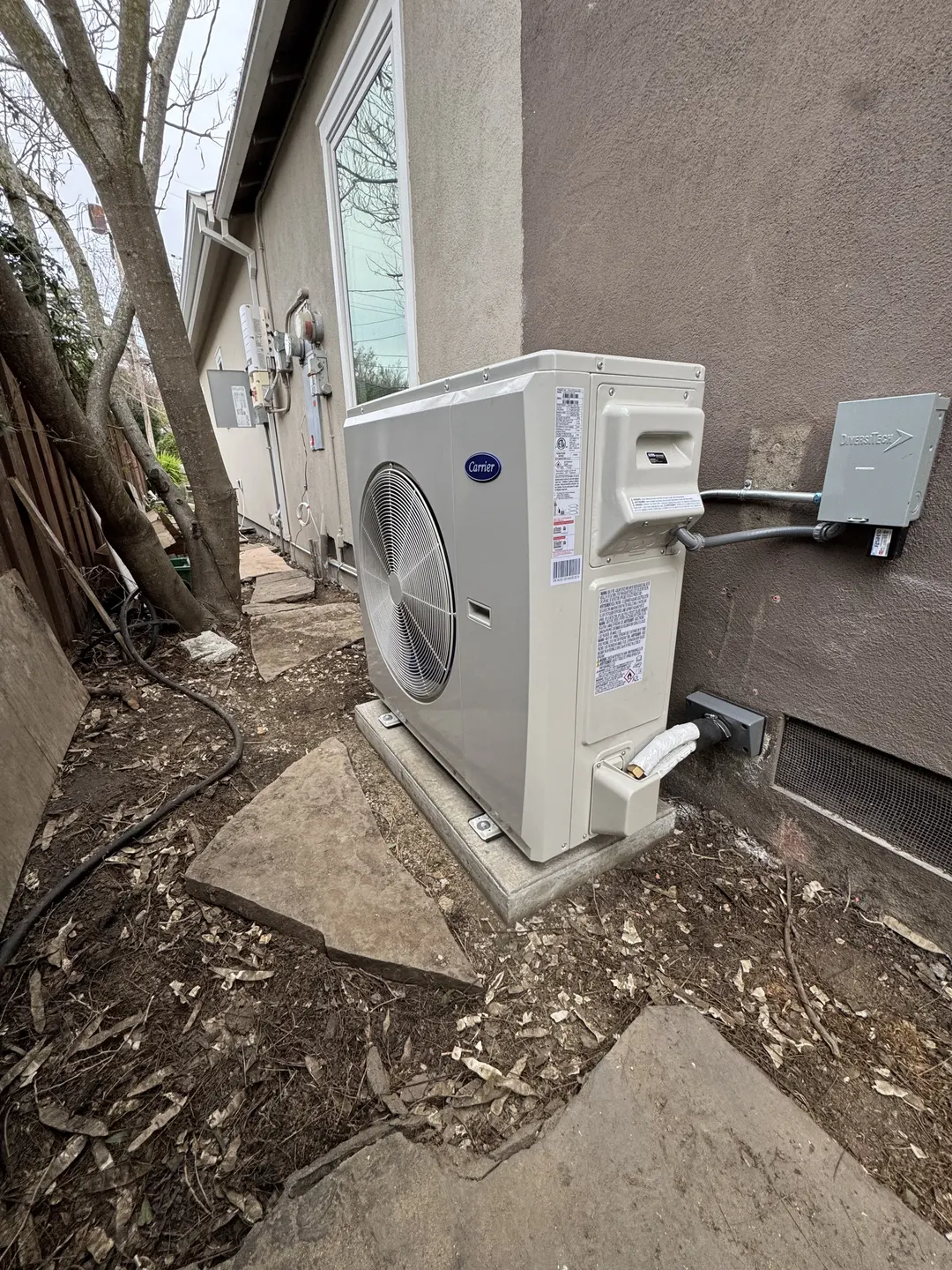
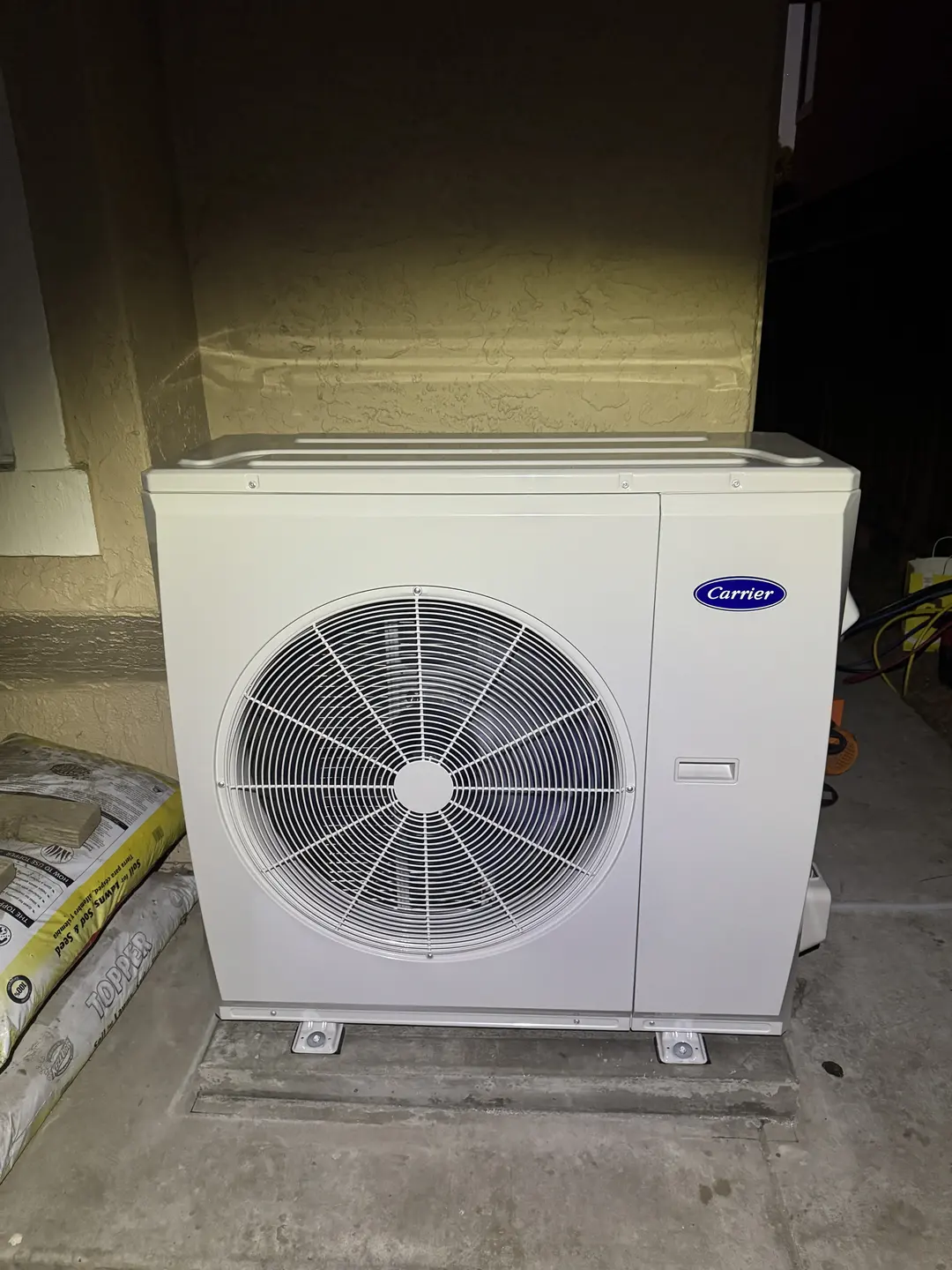
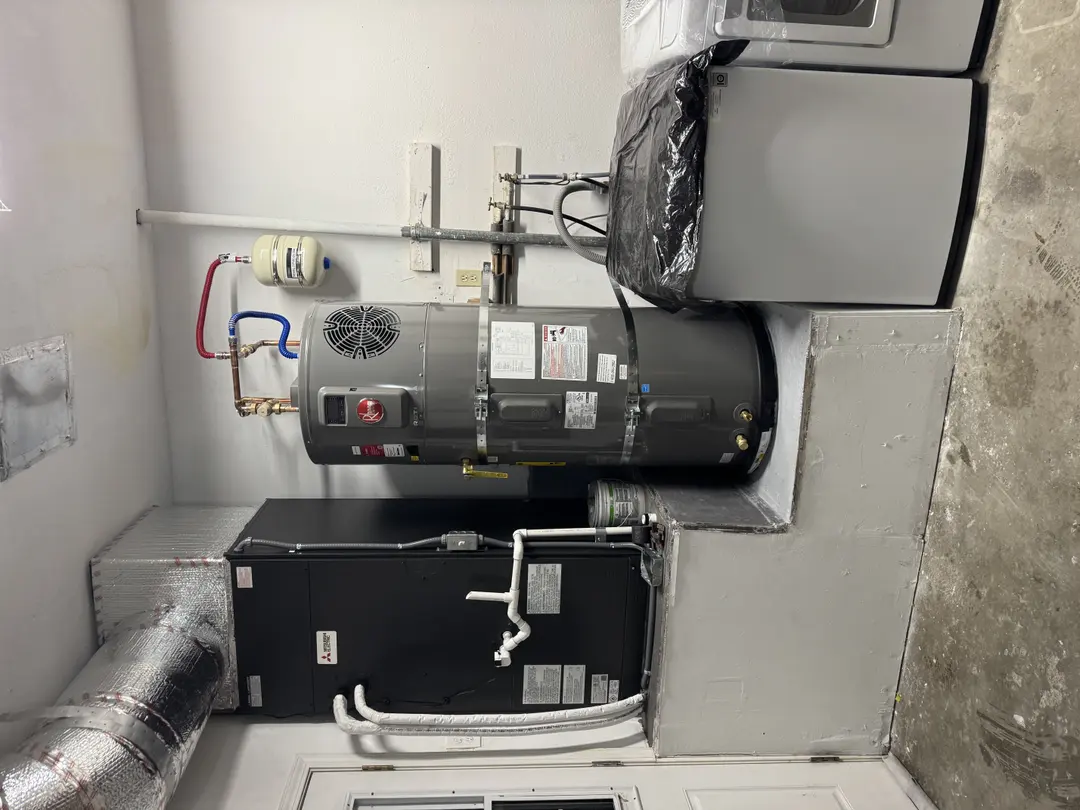
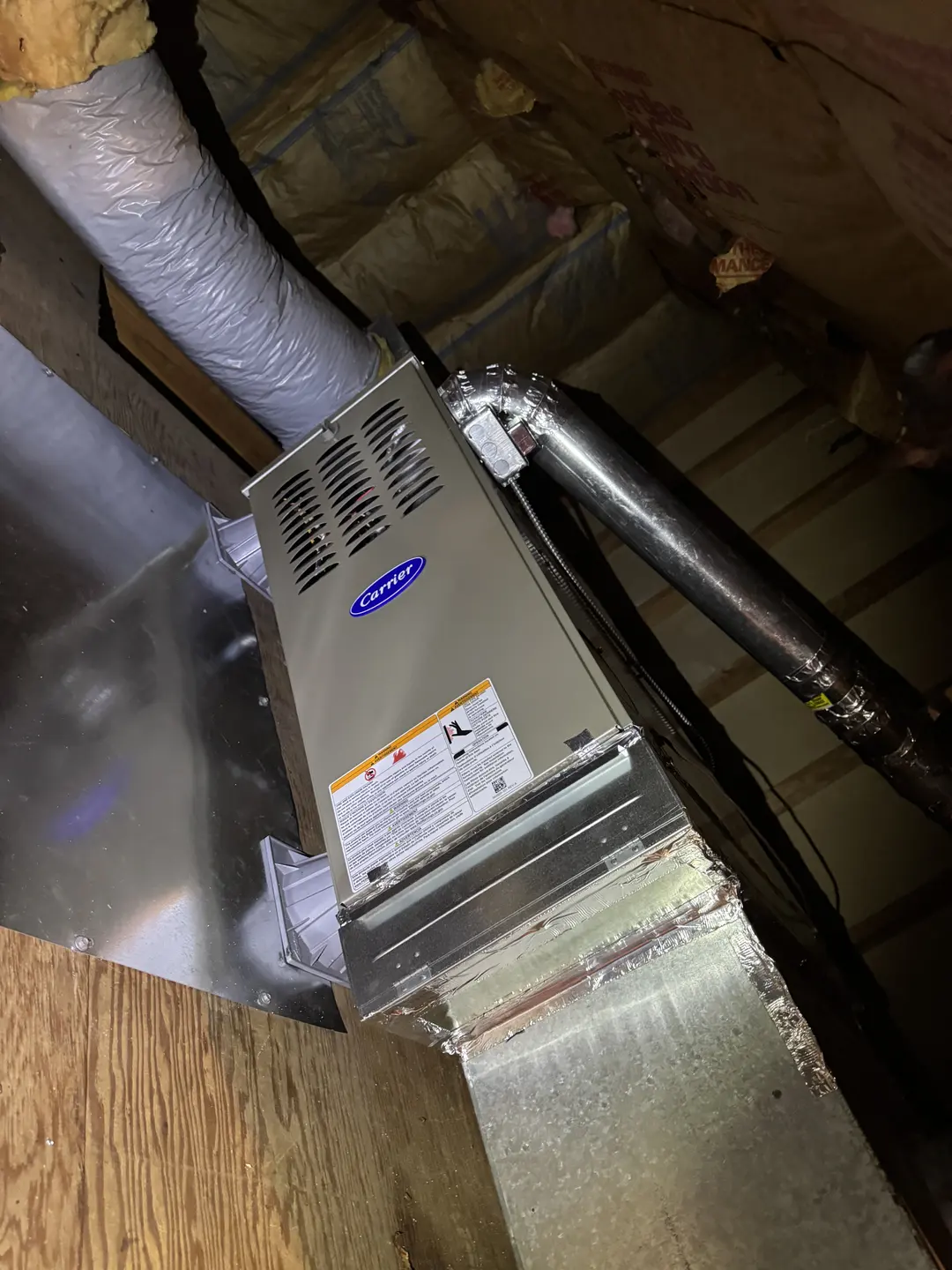
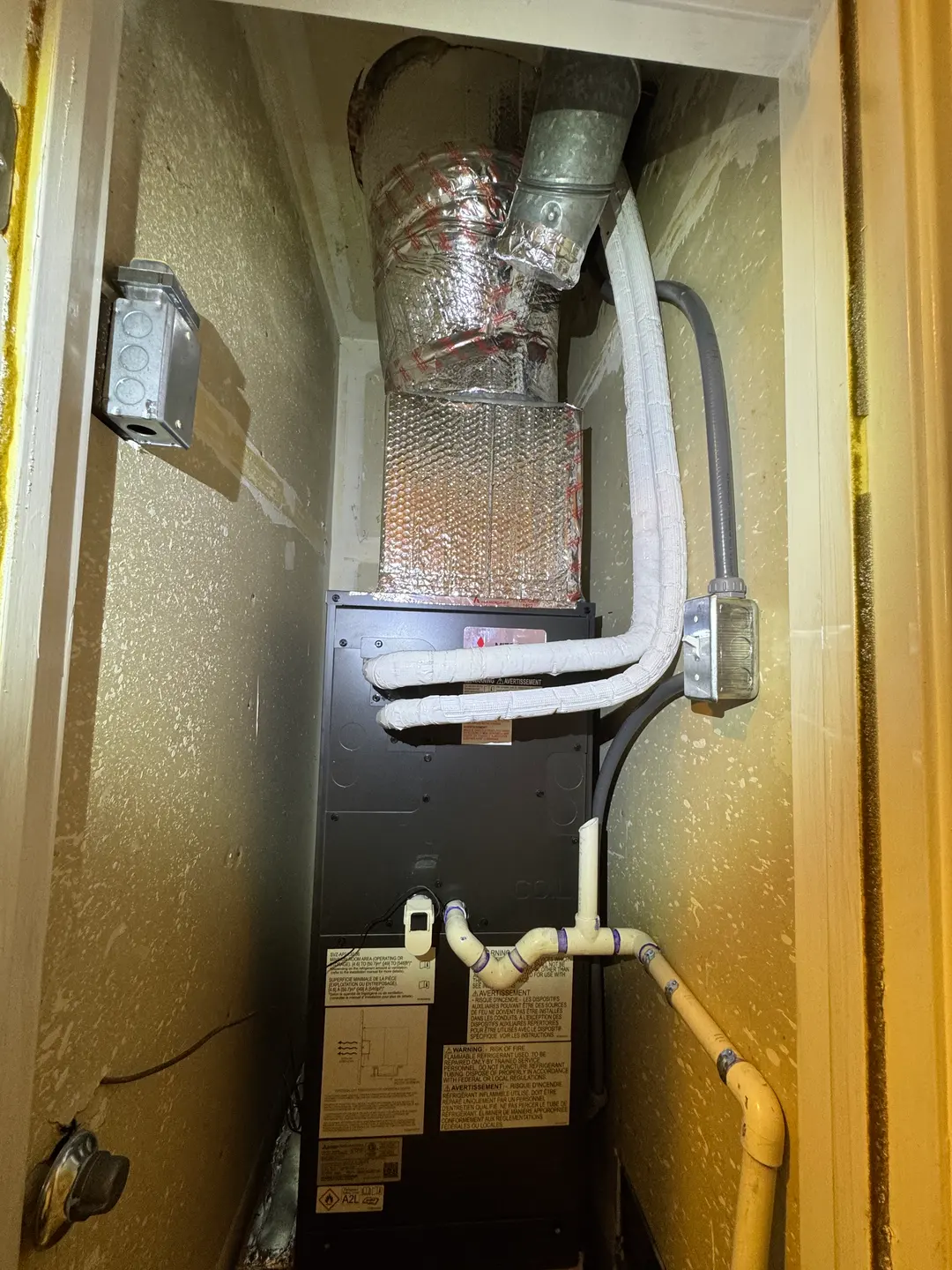
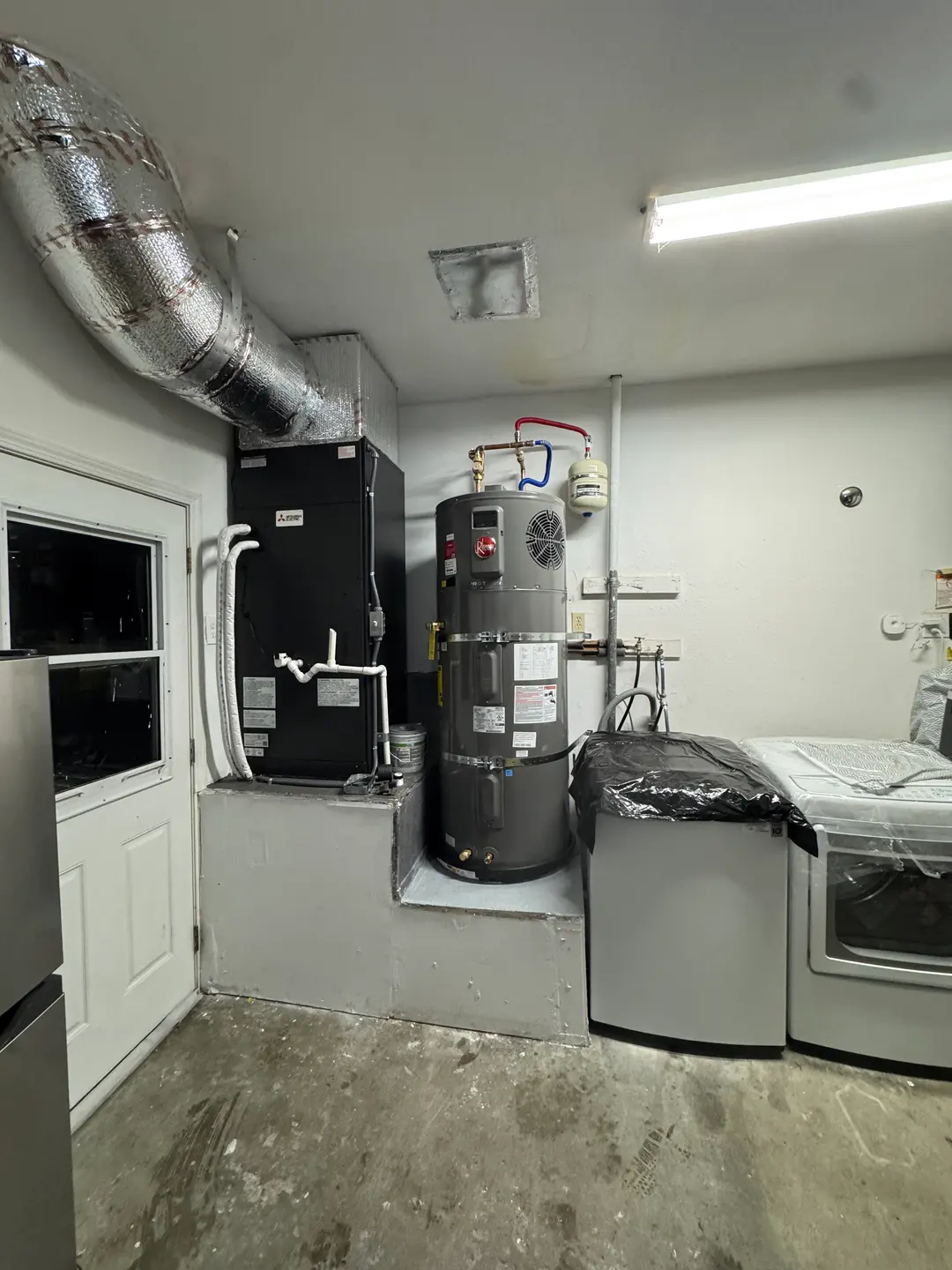
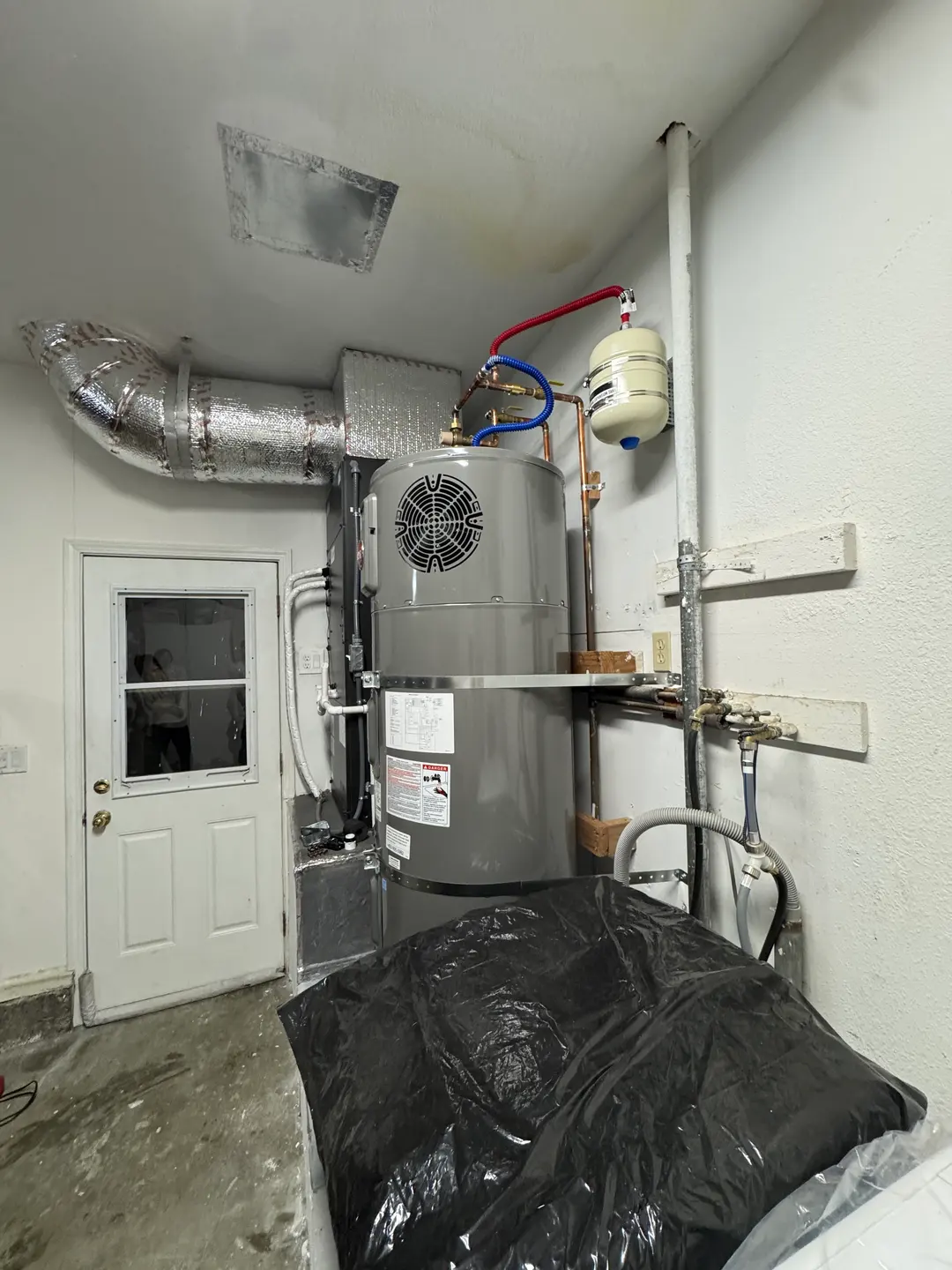
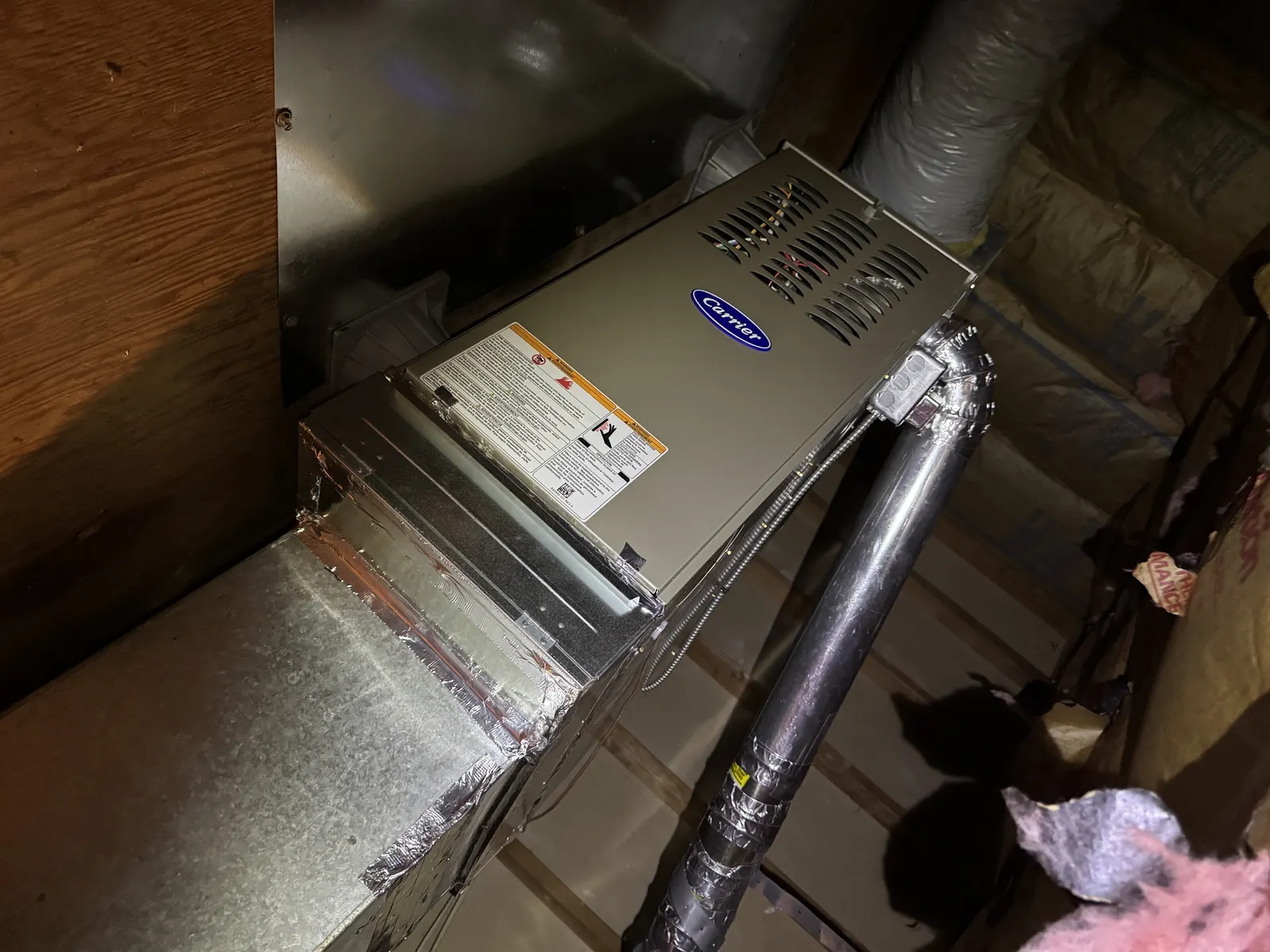
Malibu Colony is best treated as a coastal luxury market where salt air, access, and local review can change replacement scope. Homes around Malibu Colony, Pacific Coast Highway, beachfront properties, gated access can include beach homes, luxury remodels, mechanical closets, coastal condensers, high-value finishes. That variety matters because an HVAC, electrical, or plumbing call may involve an older panel, slab foundation, sewer lateral, water heater closet, crawl space, garage conduit path, side-yard condenser, or utility shutoff before the core repair can begin.
Wind direction at every potential condenser pad in Malibu Colony
The local utility and permit context decides scope. Malibu and coastal canyon properties can involve City of Malibu or county review, SCE electric territory, water district details, SoCalGas gas context, coastal corrosion, and equipment screening questions For permitting and inspection, the relevant context is Coastal and hillside addresses may require local building safety, equipment screening, exterior placement, mechanical permit, electrical permit, or plumbing permit review. A simple repair may stay straightforward, but equipment replacement, new circuits, repiping, sewer repair, water-heater replacement, heat pump installation, EV charger work, gas-line work, or remodel-related changes can trigger documentation and inspection steps.
Permit jurisdiction routing: Malibu City vs LA County
In Malibu Colony, the most common service friction includes salt-air coil damage, marine moisture, venting constraints, noise sensitivity, failed shutoffs. HVAC calls become more than a thermostat issue when airflow is restricted by old duct design, condensate cannot drain, freeway dust has loaded the condenser coil, or the electrical panel is too tight for a modern heat pump. Electrical calls expand when old panels, ungrounded circuits, overloaded appliance loads, or SCE service planning make a simple device repair into a panel question. Plumbing calls become urgent when a garage water heater leaks, a slab leak moves under flooring, a shutoff fails, or a sewer line is affected by roots or old pipe material.
Stainless flues and aluminum-zinc anode rods
Seasonal context matters too: salt-air corrosion, marine-layer moisture, wind-driven dust, brush-season smoke, hot inland canyon afternoons. During heat events, no-cooling calls can involve vulnerable occupants and overloaded temporary cooling. During wildfire smoke periods, filtration, duct leakage, and fresh-air paths drive urgency. During rain or heavy-use periods, slow drains and sewer odors move from annoyance to backup risk.
Quarterly coil-rinse maintenance written into close-out
Prepare for gated access, coastal corrosion review, equipment screening, parking limits, finish protection. If a landlord, tenant, utility, city inspector, garage access, or shutoff location must be involved, solve that before the service window so the visit does not become an access-only trip. Replacement scope is sequenced around access constraints, not the other way around.