
Sofia Kwan
Sofia Kwan coordinates premium HVAC installation planning for Westside Los Angeles homes, with field emphasis on heat-load review, duct leakage, static pressure, ductless zoning, variable-speed heat pumps, quiet condenser placement, hillside access, coastal corrosion, finish protection, AHRI matched-system documentation, electrical load planning, and permit-conscious replacement workflows.
Short answer
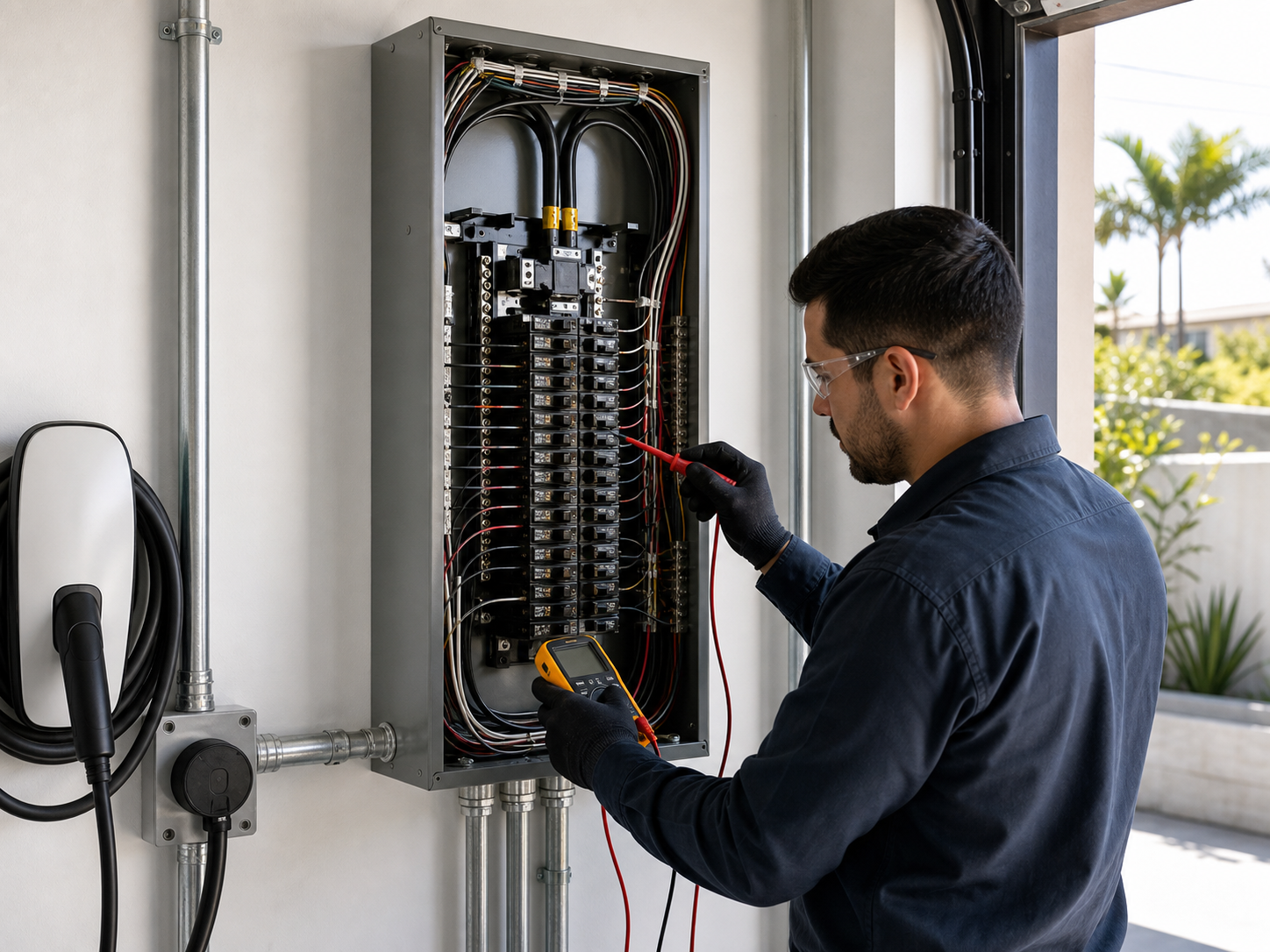
A premium heat pump plan should start with electrical reality: existing service size, major loads, future EV charging, water heating, panel condition, and utility requirements. In Westside Los Angeles, the right answer is rarely just a brand, model, fixture, breaker, or drain machine. The home decides part of the scope. Hillside access, gated entries, old ducts, premium finishes, roof equipment, side-yard condensers, electrical panels, water heaters, drains, gas appliances, coastal corrosion, and utility differences add constraints that change the practical plan.
This guide is written from the field-coordination point of view. The goal is to help you know what to document, what to ask, what can go wrong, when a repair is enough, when replacement is responsible, and which service page to open next. It is not a substitute for a permitted inspection or a field diagnosis, but it should make the first visit more useful and reduce the chance that the job stalls over access or missing information.
Why heat pumps change the load conversation
For heat pump electrical load planning, this section matters because Westside LA homeowners often see the visible symptom before they see the building constraint. A failed part, weak hot water, dead outlet, slow drain, no cooling, gas odor, or high quote may look simple until the technician asks where the equipment sits, who controls access, whether the panel has capacity, whether the shutoff works, whether the condenser location is acceptable, or whether the work changes a permitted system.
The first practical step is documentation. Take photos of the equipment label, panel, breaker area, water heater, shutoff, drain, cleanout, leak path, thermostat, condenser, garage conduit route, or affected flooring. Write down the city, home type, parking limits, utility provider, landlord or tenant contact, city inspection status, and any time window rules. Those details sound administrative, but they can decide whether the visit becomes diagnosis or a reschedule.
The second step is separating the immediate symptom from the permanent solution. A repair can be smart when the system is safe and the cause is contained. Replacement can be smarter when the same failure repeats, the equipment is mismatched, the panel is overloaded, venting is unsafe, drains are collapsing, or water damage risk is spreading. Inspection planning is best when you are adding capacity, changing equipment type, preparing a remodel, buying or selling, or trying to understand an old building before committing money.
The third step is asking what other trade might be affected. HVAC decisions can require electrical review. Electrical work can be blocked by water damage or panel location. Plumbing repairs can require electrical make-safe work, gas or vent review, finish protection, or utility coordination. Good planning is not slower. It reduces the number of return visits and avoids paying twice for a scope that should have been connected from the start.
How EV chargers and heat pump water heaters compete for capacity
For heat pump electrical load planning, this section matters because Westside LA homeowners often see the visible symptom before they see the building constraint. A failed part, weak hot water, dead outlet, slow drain, no cooling, gas odor, or high quote may look simple until the technician asks where the equipment sits, who controls access, whether the panel has capacity, whether the shutoff works, whether the condenser location is acceptable, or whether the work changes a permitted system.
The first practical step is documentation. Take photos of the equipment label, panel, breaker area, water heater, shutoff, drain, cleanout, leak path, thermostat, condenser, garage conduit route, or affected flooring. Write down the city, home type, parking limits, utility provider, landlord or tenant contact, city inspection status, and any time window rules. Those details sound administrative, but they can decide whether the visit becomes diagnosis or a reschedule.
The second step is separating the immediate symptom from the permanent solution. A repair can be smart when the system is safe and the cause is contained. Replacement can be smarter when the same failure repeats, the equipment is mismatched, the panel is overloaded, venting is unsafe, drains are collapsing, or water damage risk is spreading. Inspection planning is best when you are adding capacity, changing equipment type, preparing a remodel, buying or selling, or trying to understand an old building before committing money.
The third step is asking what other trade might be affected. HVAC decisions can require electrical review. Electrical work can be blocked by water damage or panel location. Plumbing repairs can require electrical make-safe work, gas or vent review, finish protection, or utility coordination. Good planning is not slower. It reduces the number of return visits and avoids paying twice for a scope that should have been connected from the start.
Field note from Sofia Kwan
When a homeowner gives me photos, access notes, and the real symptom, I can usually tell whether the first visit should be diagnostic, emergency, replacement planning, or inspection-oriented. When those notes are missing, the building often becomes the first problem.
What photos help before an electrical review
For heat pump electrical load planning, this section matters because Westside LA homeowners often see the visible symptom before they see the building constraint. A failed part, weak hot water, dead outlet, slow drain, no cooling, gas odor, or high quote may look simple until the technician asks where the equipment sits, who controls access, whether the panel has capacity, whether the shutoff works, whether the condenser location is acceptable, or whether the work changes a permitted system.
The first practical step is documentation. Take photos of the equipment label, panel, breaker area, water heater, shutoff, drain, cleanout, leak path, thermostat, condenser, garage conduit route, or affected flooring. Write down the city, home type, parking limits, utility provider, landlord or tenant contact, city inspection status, and any time window rules. Those details sound administrative, but they can decide whether the visit becomes diagnosis or a reschedule.
The second step is separating the immediate symptom from the permanent solution. A repair can be smart when the system is safe and the cause is contained. Replacement can be smarter when the same failure repeats, the equipment is mismatched, the panel is overloaded, venting is unsafe, drains are collapsing, or water damage risk is spreading. Inspection planning is best when you are adding capacity, changing equipment type, preparing a remodel, buying or selling, or trying to understand an old building before committing money.
The third step is asking what other trade might be affected. HVAC decisions can require electrical review. Electrical work can be blocked by water damage or panel location. Plumbing repairs can require electrical make-safe work, gas or vent review, finish protection, or utility coordination. Good planning is not slower. It reduces the number of return visits and avoids paying twice for a scope that should have been connected from the start.
Where load management can help avoid overspending
For heat pump electrical load planning, this section matters because Westside LA homeowners often see the visible symptom before they see the building constraint. A failed part, weak hot water, dead outlet, slow drain, no cooling, gas odor, or high quote may look simple until the technician asks where the equipment sits, who controls access, whether the panel has capacity, whether the shutoff works, whether the condenser location is acceptable, or whether the work changes a permitted system.
The first practical step is documentation. Take photos of the equipment label, panel, breaker area, water heater, shutoff, drain, cleanout, leak path, thermostat, condenser, garage conduit route, or affected flooring. Write down the city, home type, parking limits, utility provider, landlord or tenant contact, city inspection status, and any time window rules. Those details sound administrative, but they can decide whether the visit becomes diagnosis or a reschedule.
The second step is separating the immediate symptom from the permanent solution. A repair can be smart when the system is safe and the cause is contained. Replacement can be smarter when the same failure repeats, the equipment is mismatched, the panel is overloaded, venting is unsafe, drains are collapsing, or water damage risk is spreading. Inspection planning is best when you are adding capacity, changing equipment type, preparing a remodel, buying or selling, or trying to understand an old building before committing money.
The third step is asking what other trade might be affected. HVAC decisions can require electrical review. Electrical work can be blocked by water damage or panel location. Plumbing repairs can require electrical make-safe work, gas or vent review, finish protection, or utility coordination. Good planning is not slower. It reduces the number of return visits and avoids paying twice for a scope that should have been connected from the start.
How utility territory affects the planning path
For heat pump electrical load planning, this section matters because Westside LA homeowners often see the visible symptom before they see the building constraint. A failed part, weak hot water, dead outlet, slow drain, no cooling, gas odor, or high quote may look simple until the technician asks where the equipment sits, who controls access, whether the panel has capacity, whether the shutoff works, whether the condenser location is acceptable, or whether the work changes a permitted system.
The first practical step is documentation. Take photos of the equipment label, panel, breaker area, water heater, shutoff, drain, cleanout, leak path, thermostat, condenser, garage conduit route, or affected flooring. Write down the city, home type, parking limits, utility provider, landlord or tenant contact, city inspection status, and any time window rules. Those details sound administrative, but they can decide whether the visit becomes diagnosis or a reschedule.
The second step is separating the immediate symptom from the permanent solution. A repair can be smart when the system is safe and the cause is contained. Replacement can be smarter when the same failure repeats, the equipment is mismatched, the panel is overloaded, venting is unsafe, drains are collapsing, or water damage risk is spreading. Inspection planning is best when you are adding capacity, changing equipment type, preparing a remodel, buying or selling, or trying to understand an old building before committing money.
The third step is asking what other trade might be affected. HVAC decisions can require electrical review. Electrical work can be blocked by water damage or panel location. Plumbing repairs can require electrical make-safe work, gas or vent review, finish protection, or utility coordination. Good planning is not slower. It reduces the number of return visits and avoids paying twice for a scope that should have been connected from the start.
How to stage HVAC and panel work without delaying comfort
For heat pump electrical load planning, this section matters because Westside LA homeowners often see the visible symptom before they see the building constraint. A failed part, weak hot water, dead outlet, slow drain, no cooling, gas odor, or high quote may look simple until the technician asks where the equipment sits, who controls access, whether the panel has capacity, whether the shutoff works, whether the condenser location is acceptable, or whether the work changes a permitted system.
The first practical step is documentation. Take photos of the equipment label, panel, breaker area, water heater, shutoff, drain, cleanout, leak path, thermostat, condenser, garage conduit route, or affected flooring. Write down the city, home type, parking limits, utility provider, landlord or tenant contact, city inspection status, and any time window rules. Those details sound administrative, but they can decide whether the visit becomes diagnosis or a reschedule.
The second step is separating the immediate symptom from the permanent solution. A repair can be smart when the system is safe and the cause is contained. Replacement can be smarter when the same failure repeats, the equipment is mismatched, the panel is overloaded, venting is unsafe, drains are collapsing, or water damage risk is spreading. Inspection planning is best when you are adding capacity, changing equipment type, preparing a remodel, buying or selling, or trying to understand an old building before committing money.
The third step is asking what other trade might be affected. HVAC decisions can require electrical review. Electrical work can be blocked by water damage or panel location. Plumbing repairs can require electrical make-safe work, gas or vent review, finish protection, or utility coordination. Good planning is not slower. It reduces the number of return visits and avoids paying twice for a scope that should have been connected from the start.
Questions to ask before you approve work
- Does the scope assume clear access to the garage, side yard, panel, shutoff, cleanout, attic, crawl space, or water heater closet?
- Does the quote separate diagnostic repair from replacement, installation, permit work, or return inspection visits?
- Does the work affect electrical capacity, gas or venting, shared plumbing, condensate routing, or another unit?
- Does the home require a landlord notice, tenant access window, utility contact, water shutoff notice, or parking plan?
- Are parts, equipment match, disposal, patching, floor protection, and emergency premiums included or excluded?
Related service pages
Use the links below to move from research to commercial intent. Each service page includes cost drivers, access concerns, permit notes, visible reviews, and local pages.
- Heat Pump Installation
- Electrical Panel Upgrade
- EV Charger Installation
- Dedicated HVAC Circuits
- Heat Pump Water Heater
Markets where this guide is especially relevant
The guide is especially useful in Westside Los Angeles markets where equipment may sit on roofs, in side yards, behind landscape screens, in garages, closets, attics, utility rooms, old walls, or older service panels. Start with these area pages if you want market-specific details.
Homeowner Questions
Short answers for the questions that usually decide whether this is a repair, replacement, inspection, or emergency visit.
Is this guide a substitute for an inspection?
No. It helps prepare the right questions and booking details. The final decision depends on field conditions, code requirements, utility limits, and the exact property.
Why does this guide discuss multiple trades?
Westside Los Angeles home systems overlap. HVAC choices affect panels, leaks affect electrical safety, plumbing replacements affect venting and shutoffs, gas appliance choices affect utility routing, and access rules can decide the real scope.
What is the best next step after reading?
Open the related service page or book through https://nexfield.pro/crm/book?u=205 with photos, access notes, and urgency details.
Discreet Westside service notes
These visible review bodies are kept in exact parity with the JSON-LD review schema on this page.
AC stopped cooling on the first warm weekend of spring. Tech showed up the same afternoon, found a bulged dual-run capacitor and pitted contactor, replaced both, and topped up half a pound of R-410A after leak-checking. He flagged a slow leak at the king valve schrader and quoted a service call to come back and replace the schrader core, which I appreciated -- no high-pressure upsell.
Mount Olympus setbacks are tight and the original condenser location was non-compliant. They worked with LADBS to relocate the new pad three feet further from the property line, pulled the mechanical permit, and installed a Lennox SL25XPV 4-ton on a low-profile pad behind a sound screen. Measured 51 dB at the property line at full load -- well under the residential limit.
Carrier Infinity 26 4-ton modulating heat pump with the Infinity touch control and an Aprilaire 1410 MERV 16 media cabinet. The variable-speed compressor and ECM blower run in modulating mode 80 percent of the time, so the house feels stable instead of cycling between cold and warm. Crew was efficient -- two days start to finish for the swap including the new filter cabinet.