What a leak detection inspection actually documents in Carbon Beach
Premium leak detection in Carbon Beach starts with what the building actually needs, not a quote from a flyer. Around Carbon Beach and Pacific Coast Highway, plumbing work depends on PCH staging, rapid condenser corrosion, and salt-air corrosion conditions. We design the scope around those constraints before equipment gets ordered.
Carbon Beach sits in the coastal cluster. Homes around Carbon Beach, Pacific Coast Highway, beachfront homes, coastal service roads mix beachfront homes, high-end remodels, tight mechanical closets on a single block, which means a single leak detection call can require different equipment, PCH staging, and visual screening. The same brand and tonnage that works on a flat-lot home in Beverlywood can be the wrong call for a hillside parcel two miles away.
Carbon Beach field profile
Carbon Beach reference points: Carbon Beach, Pacific Coast Highway, beachfront homes, coastal service roads. Building mix on the block: beachfront homes, high-end remodels, tight mechanical closets, coastal outdoor units, premium interiors. Access constraints we plan for: PCH staging, salt-air protection, visual screening, roof or side access, owner-rep scheduling. Risks we measure for: rapid condenser corrosion, marine moisture, water heater corrosion, limited pad placement, noise constraints. Seasonal operating context: salt-air corrosion, marine-layer moisture, wind-driven dust, brush-season smoke, hot inland canyon afternoons. Permit jurisdiction: City of Los Angeles, City of Malibu, or LA County coastal/canyon address by parcel. Utility context: Malibu and coastal canyon properties can involve City of Malibu or county review, SCE electric territory, water district details, SoCalGas gas context, coastal corrosion, and equipment screening questions.
Where measurements diverge from spec
Hidden risks on leak detection jobs in Carbon Beach: mold growth, electrical contact, failed shutoff. Stacked with the local profile — rapid condenser corrosion, marine moisture, water heater corrosion — these turn a one-day install into a three-day project if they are not surfaced at the estimate. We measure wall or slab access, photograph existing conditions, and document anything that could expand scope.
What we do not do: keep resetting breakers on a tripping circuit, run water into a backed-up drain, operate HVAC equipment that smells hot or is spilling water, or quote replacement before a real diagnostic. Those shortcuts turn small repairs into bigger damage.
When inspection turns into a punch list
Repair makes sense when failure is contained, equipment is otherwise serviceable, and the safety risk is low. On a Carbon Beach leak detection call, replacement becomes responsible when repeat failures exceed two within twelve months, when refrigerant or combustion safety enters the picture, or when mold growth signals systemic failure. We will not push replacement before the diagnostic justifies it.
Permit and code-compliance findings
Leak locating usually starts as diagnostic work; pipe repair, wall opening, repiping, water-heater replacement, or gas-line work may require permits depending on final scope. For this market specifically: Coastal and hillside addresses may require local building safety, equipment screening, exterior placement, mechanical permit, electrical permit, or plumbing permit review.
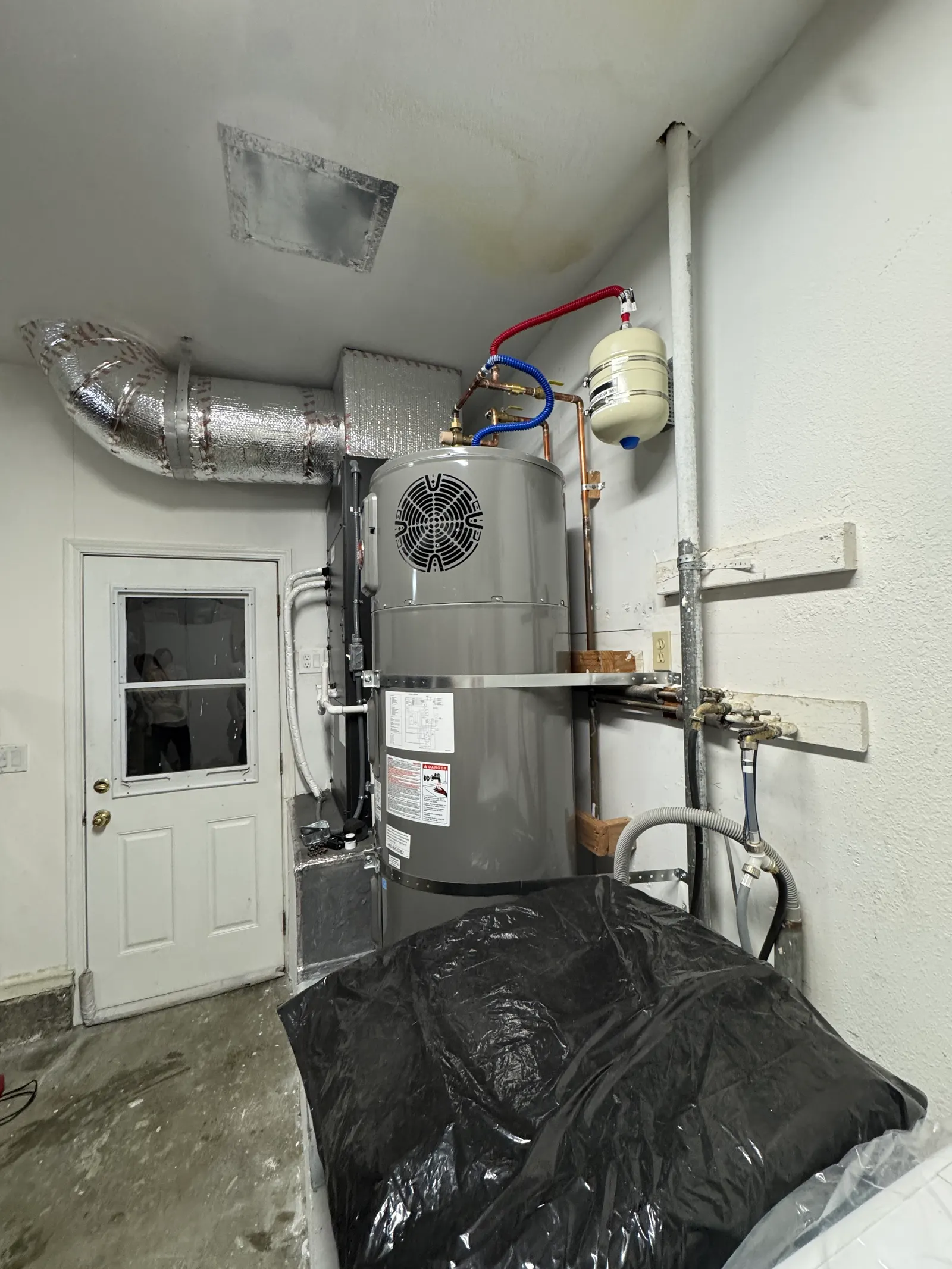
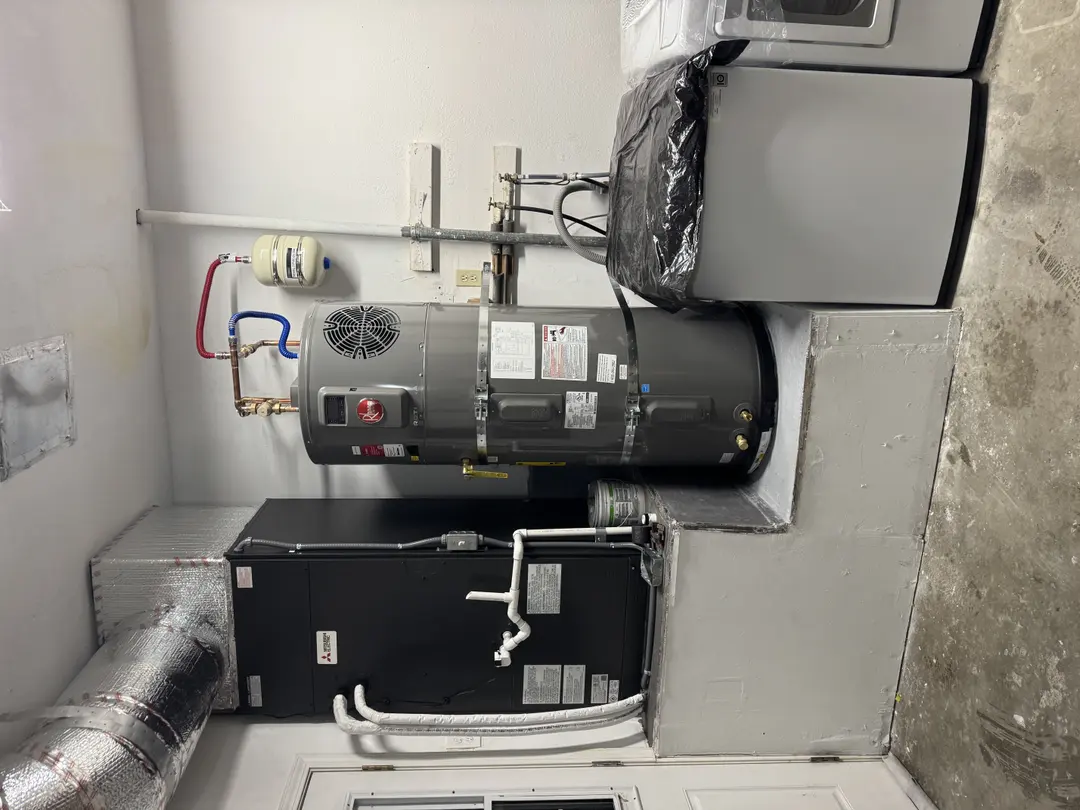
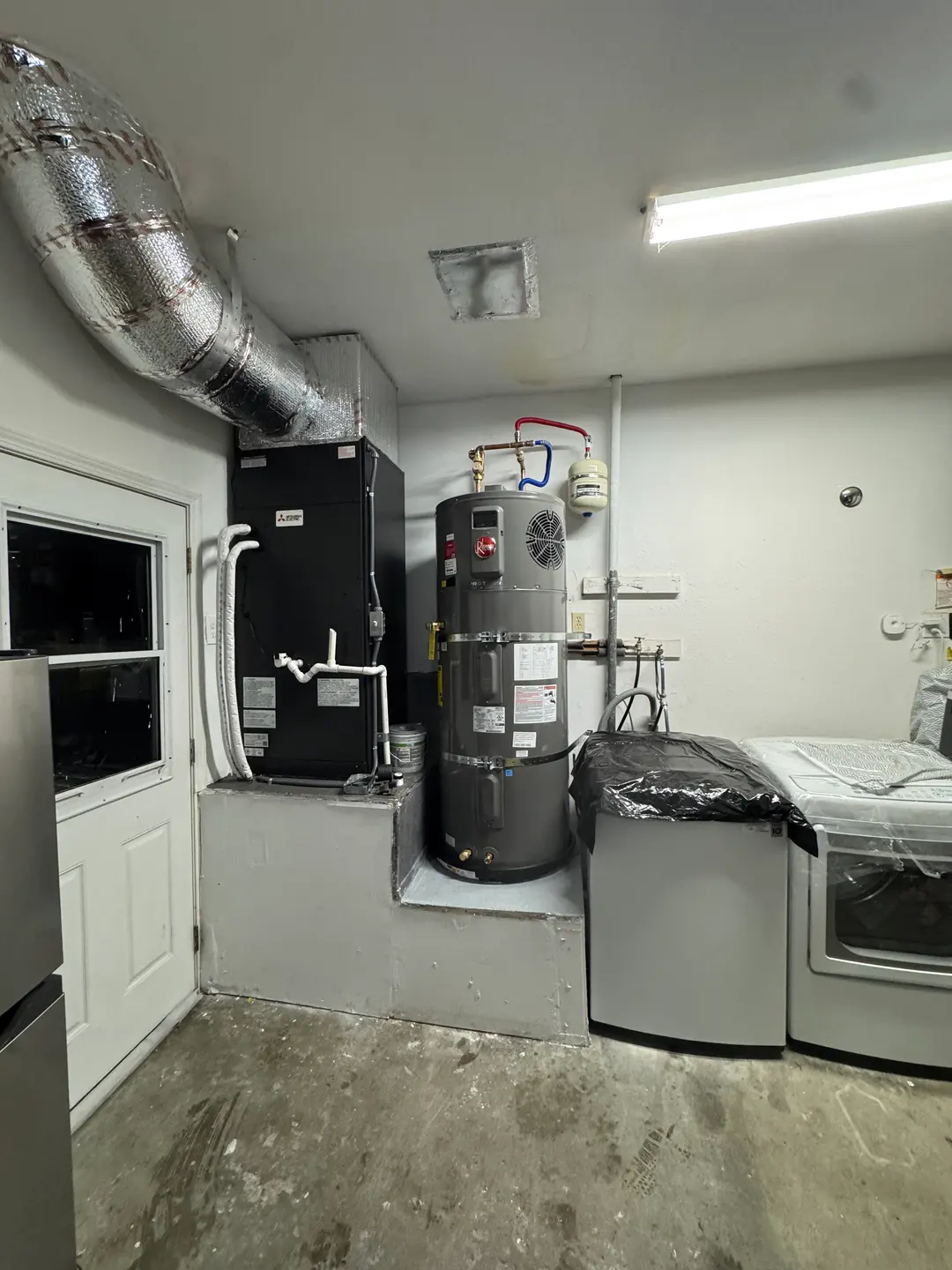
The replacement scope opens with photos and a site walk. We measure static pressure, photograph the panel main breaker, list comfort complaints by room, and confirm whether HOA, estate-manager, or jurisdictional review is going to be in the project critical path. Inspection-day documentation is prepared from day one — AHRI certificate, equipment serial numbers, electrical disconnect routing, condensate plan.
Deliverable: written report
A useful booking note for leak detection in Carbon Beach should include: home type, symptom (off, leaking, noisy, intermittent), urgency, equipment age and brand, panel size, and access path. Photo of the equipment label, photo of the panel main breaker, and a note on whether PCH staging applies. Send through the booking link or call +1 (213) 277-6575.