Emergency Electrical Repair in Carbon Beach

Emergency Electrical Repair in Carbon Beach: planning range $285–$4 800, typical timeline 5–10 business days from signed scope to install start. Emergency make-safe work can begin with safety diagnostics; permanent repair, rewiring, panel replacement, or service changes may require permits and inspection. Call +1 (213) 277-6575 for a same-day comfort assessment.

★★★★★ 5.0 · 30+ verified reviews · Westside Los Angeles install desk

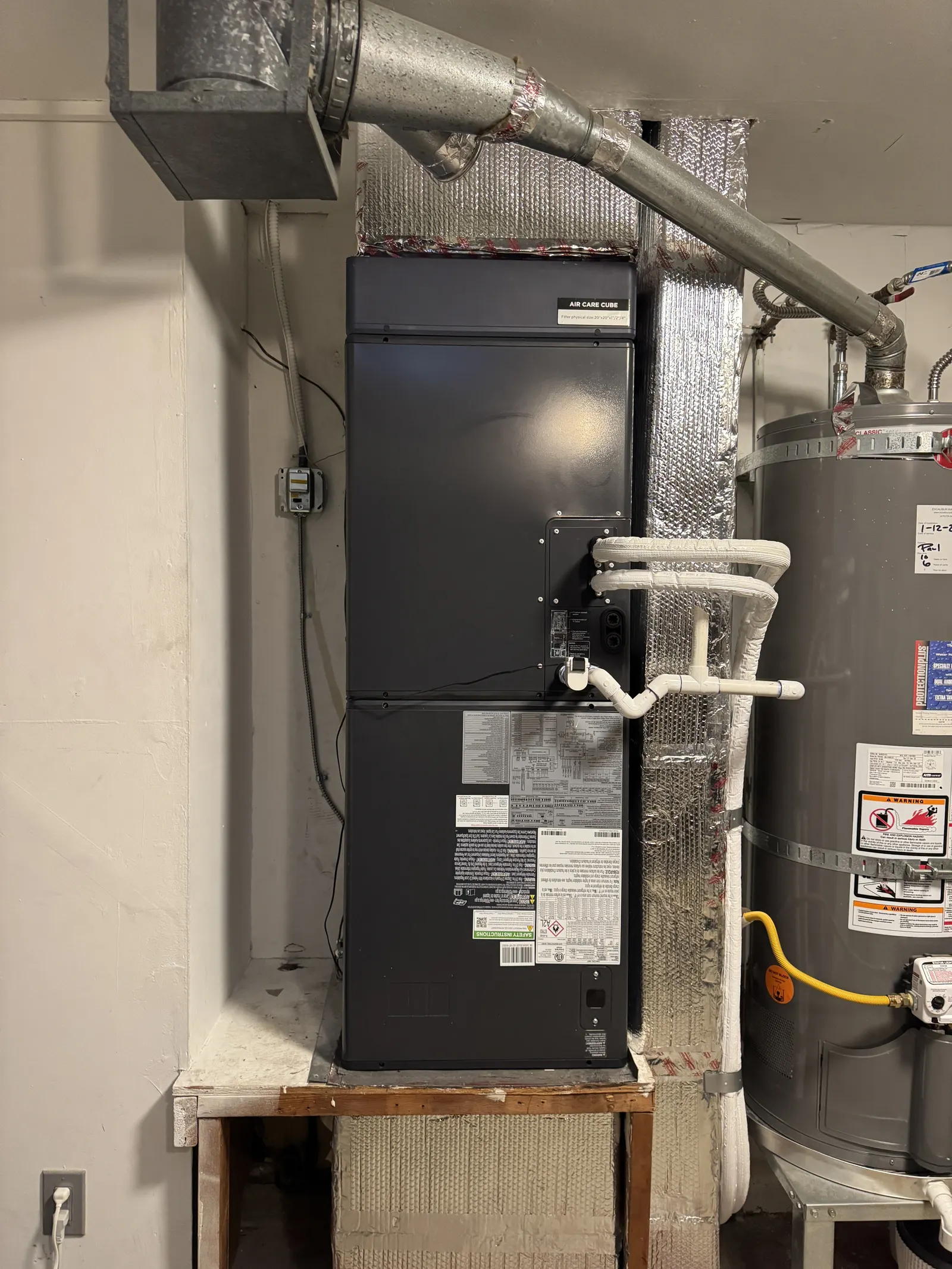
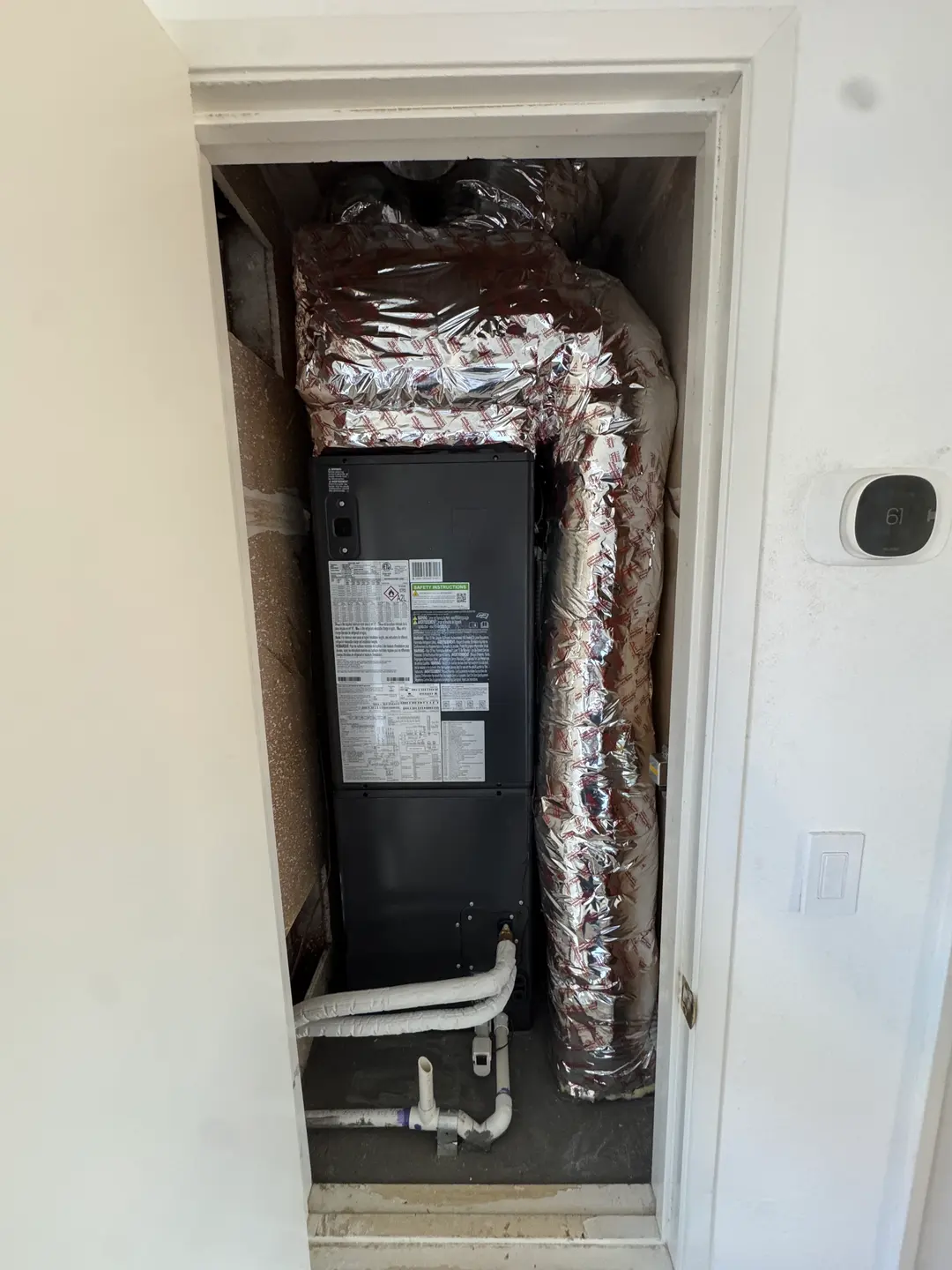
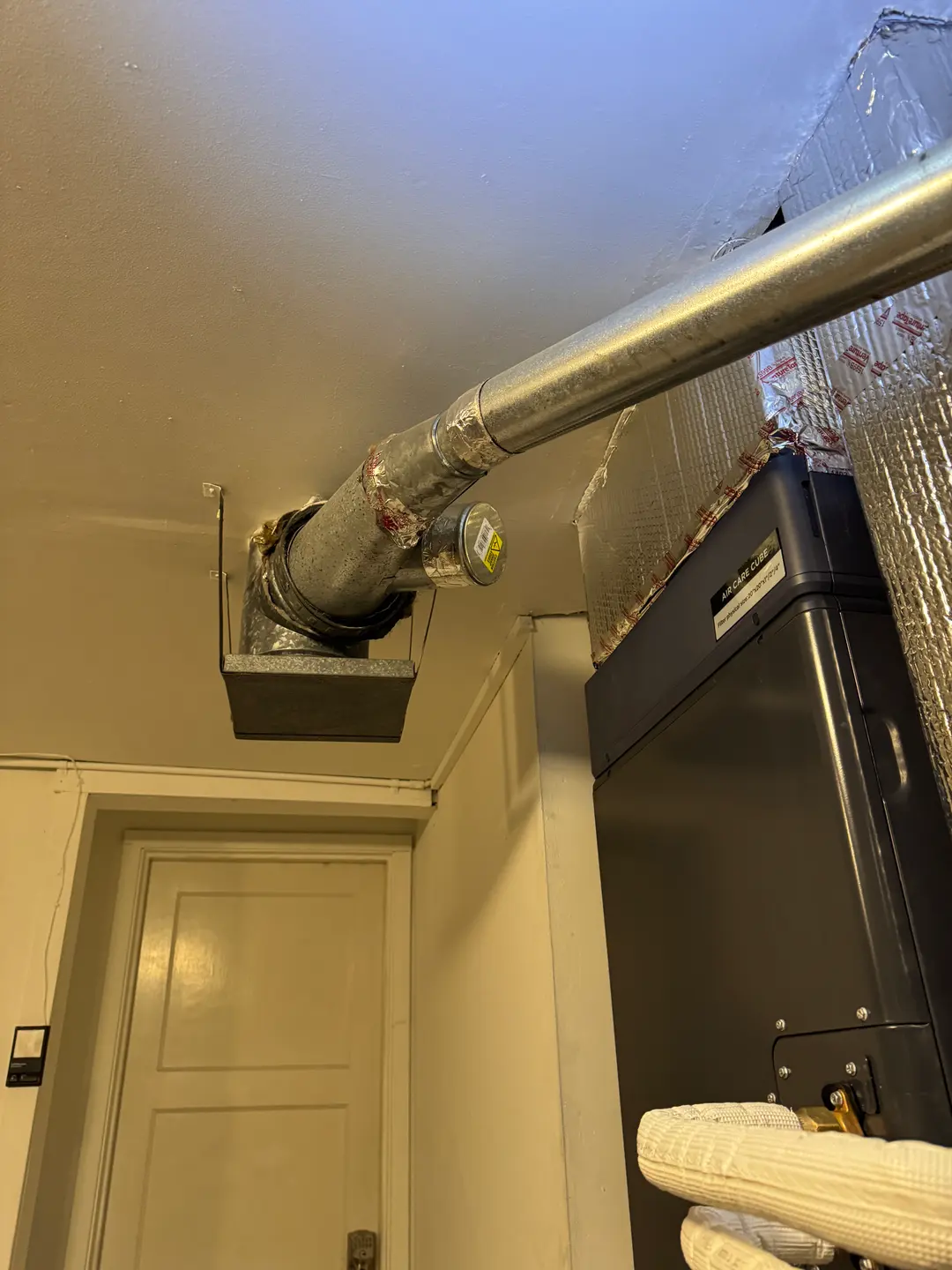
Black multi-position air handler tied into supply plenum in a Pico-Robertson mechanical closet next to a 50-gallon water heater

Calling for emergency electrical repair after hours in Carbon Beach

The right way to plan emergency electrical repair for a Carbon Beach property: photograph the equipment, note PCH staging and visual screening, and tell us what failed. We translate that into a Manual-J-style load review, panel condition measurement, and a written scope before any equipment is ordered.

Carbon Beach carries a specific operational tax on every install: PCH staging, salt-air protection, visual screening, roof or side access. None of those show up on a manufacturer's installation manual. They show up in field hours, in callback frequency, and in whether the inspector signs off on the first visit.

Carbon Beach field profile

Carbon Beach sits inside the coastal sub-cluster of our service map. That cluster shares salt-air corrosion and marine-layer moisture, but each address still needs a parcel-specific permit verification. Malibu and coastal canyon properties can involve City of Malibu or county review, SCE electric territory, water district details, SoCalGas gas context, coastal corrosion, and equipment screening questions

Triage logic and dispatch priorities

If a emergency electrical repair contractor in Carbon Beach hands you a quote in under ten minutes without seeing the equipment, the ducts, and the panel, the project will overrun. fire hazard and shock hazard are not visible from the curb. rapid condenser corrosion and marine moisture are local-specific. Both deserve a real walk-through before the number lands.

What we do not do: keep resetting breakers on a tripping circuit, run water into a backed-up drain, operate HVAC equipment that smells hot or is spilling water, or quote replacement before a real diagnostic. Those shortcuts turn small repairs into bigger damage.

What a stabilization visit accomplishes

Inspection-oriented work is its own deliverable: what exists now, what is unsafe, what can be repaired, what needs replacement, what might require a permit, and what another trade should review. On Carbon Beach estate and remodel projects this often produces a punch list, not a single recommendation. That is the right outcome.

When emergency becomes a project

Emergency make-safe work can begin with safety diagnostics; permanent repair, rewiring, panel replacement, or service changes may require permits and inspection. For this market specifically: Coastal and hillside addresses may require local building safety, equipment screening, exterior placement, mechanical permit, electrical permit, or plumbing permit review.

The replacement scope opens with photos and a site walk. We measure static pressure, photograph the panel main breaker, list comfort complaints by room, and confirm whether HOA, estate-manager, or jurisdictional review is going to be in the project critical path. Inspection-day documentation is prepared from day one — AHRI certificate, equipment serial numbers, electrical disconnect routing, condensate plan.

Post-event documentation and follow-up

Real talk: bookings with full prep notes get scheduled in 48 hours. Bookings with no detail bounce back asking for the same info, which adds three days. Carbon Beach emergency electrical repair is too time-sensitive for that game — front-load the photos and the access notes.
Coastal HVAC: salt, wind, and the equipment specification that actually survives

The coastal cluster is its own technical category. The corrosion environment, the wind-driven debris, the permit jurisdictions, and the access constraints are different enough that standard Westside HVAC specifications fail in this cluster within a quarter of their expected service life.

The single most important number in coastal HVAC is the distance from mean high tide. Equipment within 1,500 feet of the ocean operates in a different corrosion regime than equipment 1.5 miles inland. A standard galvanized condenser fan housing within 500 feet of mean high tide pits within 18 months. A factory seacoast-package coil with phenolic coating and stainless hardware within the same 500 feet operates at 95% of rated efficiency at year 8. The cost premium for the seacoast specification is roughly 12%; the equipment-life delta is 60–80%. The math is not subtle.

Wind direction matters as much as distance. Carbon Beach, Broad Beach, and Malibu Colony face westerly prevailing winds; condensers placed on the windward side absorb salt spray directly. Castellammare and Serra Retreat face the canyon-channeled cross-winds that swirl debris from inland brush onto the coil face. Our practice is to walk the property with a windsock and identify the leeward side of every potential pad location before placement is finalized. The wrong placement turns a 20-year coil into a 6-year one.

Permit jurisdiction in this cluster is fragmented. Malibu City handles its incorporated areas with specific HVAC streamlined forms that route faster than LA County for replacement work but require more documentation on placement-and-screening. LA County handles the unincorporated Malibu hills, which means a different inspection scheduler, different fee structure, and longer typical review windows. Coastal Commission jurisdiction overlays both for properties seaward of certain lot lines. We verify by parcel and route the permit through the correct office before quoting. The Malibu permit form (the streamlined HVAC version) is faster than most counter-counter-counter LADBS dispatch operations once you know how to fill it out — so we file electronically when the property qualifies.

The flue and venting story on coastal properties is as important as the condenser story. A standard aluminum tankless flue in a 250-foot-from-ocean garage corrodes through within 5 years. The specification we use here is concentric stainless flue assemblies (Navien NPE-240A2 with the SS option, or equivalent). It costs a few hundred dollars more on materials and avoids a ten-year service-life problem. Same logic for water heater anode rods: standard magnesium degrades fast in coastal water; aluminum-zinc rods last longer in the local water-quality profile.

  • Distance from mean high tide is the single most important spec input
  • Seacoast-package equipment: 12% cost premium, 60–80% life extension
  • NEMA 4X disconnects mandatory; NEMA 3R fails 3–4 years inland of beach
  • Quarterly coil-rinse maintenance plan written into every close-out

Cost drivers in Carbon Beach

If a emergency electrical repair bid in Carbon Beach differs from another by 30% or more, one of the rows below is the reason. Use the table to compare quotes apples-to-apples.

DriverWhy it matters for emergency electrical repairHow to reduce friction
After-hours timing After-hours timing changes labor, parts, diagnostic time, safety steps, or inspection needs. In Carbon Beach, it is influenced by PCH staging and rapid condenser corrosion. Send photos, confirm access, and note coordination needs in your booking note.
Circuit tracing Circuit tracing changes labor, parts, diagnostic time, safety steps, or inspection needs. In Carbon Beach, it is influenced by salt-air protection and marine moisture. Send photos, confirm access, and note coordination needs in your booking note.
Panel condition Panel condition changes labor, parts, diagnostic time, safety steps, or inspection needs. In Carbon Beach, it is influenced by visual screening and water heater corrosion. Send photos, confirm access, and note coordination needs in your booking note.
Water damage Water damage changes labor, parts, diagnostic time, safety steps, or inspection needs. In Carbon Beach, it is influenced by roof or side access and limited pad placement. Send photos, confirm access, and note coordination needs in your booking note.
Repair versus replacement Repair versus replacement changes labor, parts, diagnostic time, safety steps, or inspection needs. In Carbon Beach, it is influenced by owner-rep scheduling and noise constraints. Send photos, confirm access, and note coordination needs in your booking note.
Access limitations Access limitations changes labor, parts, diagnostic time, safety steps, or inspection needs. In Carbon Beach, it is influenced by PCH staging and rapid condenser corrosion. Send photos, confirm access, and note coordination needs in your booking note.

Send details for emergency electrical repair in Carbon Beach.

Add photos, access notes, urgency, and whether rapid condenser corrosion or another home-system issue is involved.

Related links for this decision

Electrical Panel Upgrade

100-amp service, heat pump circuits, EV chargers, load calculations, smart load management, grounding, utility coordination, and inspection-ready panel replacement.

How we approach this in Carbon Beach

Malibu Colony

coastal luxury market where salt air, access, and local review can change replacement scope. Local concern: salt-air coil damage.

Our Malibu Colony install playbook

Point Dume

Malibu coastal headland market with ocean exposure, estate lots, and equipment screening needs. Local concern: coastal corrosion.

Point Dume-specific notes

Broad Beach

Malibu beachfront market with salt-air HVAC wear and high finish-protection expectations. Local concern: coil corrosion.

Read the Broad Beach field guide

Trancas

north Malibu coastal and canyon market with wind, salt, and longer service routes. Local concern: coastal corrosion.

What changes in Trancas

Marquez Knolls

Pacific Palisades hillside residential market with split-level homes and coastal-canyon comfort swings. Local concern: hot upper rooms.

How we approach this in Marquez Knolls

Homeowner Questions

Short answers for the questions that usually decide whether this is a repair, replacement, inspection, or emergency visit.

How fast should I book emergency electrical repair in Carbon Beach?

Book quickly if the symptom involves fire hazard or shock hazard. In Carbon Beach, urgency rises when limited pad placement could affect safety, finished interiors, electrical equipment, or shutoff timing. Active leaks, no-cooling during heat, gas odor, burning electrical smell, or repeated breaker trips are emergency-tier — call +1 (213) 277-6575.

What should I prepare for emergency electrical repair before the technician arrives?

Send photos of do not reset breakers repeatedly, turn off affected circuit if safe, keep people away from wet electrical areas. For Carbon Beach, also confirm roof or side access and owner-rep scheduling.

Do you handle permits and inspections for emergency electrical repair in Carbon Beach?

Yes. Emergency make-safe work can begin with safety diagnostics; permanent repair, rewiring, panel replacement, or service changes may require permits and inspection. Coastal and hillside addresses may require local building safety, equipment screening, exterior placement, mechanical permit, electrical permit, or plumbing permit review AHRI matched-system documentation, condensate routing review, electrical disconnect verification, and final inspection scheduling are included in the replacement scope.

How quickly can a Carbon Beach emergency electrical repair appointment be scheduled?

Standard Carbon Beach bookings open within 48–72 hours; emergency dispatch for active leaks, no-cooling, or gas/electrical safety symptoms is typically on-site within 60–120 minutes.

Recent emergency electrical repair reviews from Westside Los Angeles homeowners

These visible review bodies are kept in exact parity with the JSON-LD review schema on this page.

Eric H. Pico-Robertson

We had two upstairs bedrooms that ran ten degrees hotter than the rest of the duplex on summer afternoons, and our existing 2008 condenser was running constantly. The team came out, did a real Manual J on every room, and instead of pushing a 5-ton replacement they recommended a 3-zone Mitsubishi MXZ system with a small ducted unit for the main floor and two wall cassettes upstairs. The line-set route through the wall cavity was thoughtful and didn't touch any exterior plaster. They pulled a mechanical permit through LADBS, scheduled the inspector, and were done with everything in five days. Two summers in, the upstairs is now within two degrees of the main floor, and our LADWP bill in August dropped from around $480 to $310.

Rachel S. Marquez Bel-Air

Replacing a 22-year-old Carrier system in an estate where the air handler was buried behind a finished hallway ceiling was not going to be a one-day job. Sofia's team mapped the duct routes with a borescope first, redesigned the return air, and moved the air handler to the attic over the garage so the hallway no longer had to be opened. Floor protection was professional — Ram Board, plastic tunnels, the works. Trane XV20i runs almost silent on the patio side, and the new variable-speed staging means the upstairs guest rooms finally cool. Permit and inspection went through Beverly Hills with no friction because they had the AHRI matched-system documentation ready.

Jaime L. Malibu Colony

Our previous condenser failed at year six because nobody flagged the salt-air problem when it was installed. This time the install desk specifically recommended the Carrier 24VNA6 with the seacoast package and put it on the leeward side of the property with a stainless mounting bracket. They also added a quarterly coil-rinse maintenance plan because PCH dust plus marine moisture is brutal on equipment. Three winter storm seasons in and the unit looks like it did on day one. They also coordinated the City of Malibu permit form, which was its own small adventure.

Denise Park Trousdale Estates

Mid-century modern flat roof, glass walls everywhere, and the architect was very specific that we could not see the new condenser from the pool. The team proposed a Daikin Fit side-discharge unit hidden behind a custom screen wall they coordinated with our landscape designer. Sound at the property line measures 49 dB which is below the city limit. They commissioned the system with manometer readings, sent a written report with static pressure across the coil, and registered the warranty. This is what an HVAC install at this level should look like.

Design Call