Coldwater Canyon HVAC, Electrical & Plumbing

Coldwater Canyon is a Westside Los Angeles hillside corridor where sun exposure, narrow roads, and equipment placement matter. Premium HVAC installation, heat pump conversion, AC replacement, electrical panel upgrades, and plumbing service available with permit-pulled scope and AHRI matched-system documentation. Standard booking opens within 48–72 hours; emergency dispatch within 60–120 minutes. Call +1 (213) 277-6575.

★★★★★ 5.0 · 30+ verified reviews · Permit-pulled installs · AHRI matched systems

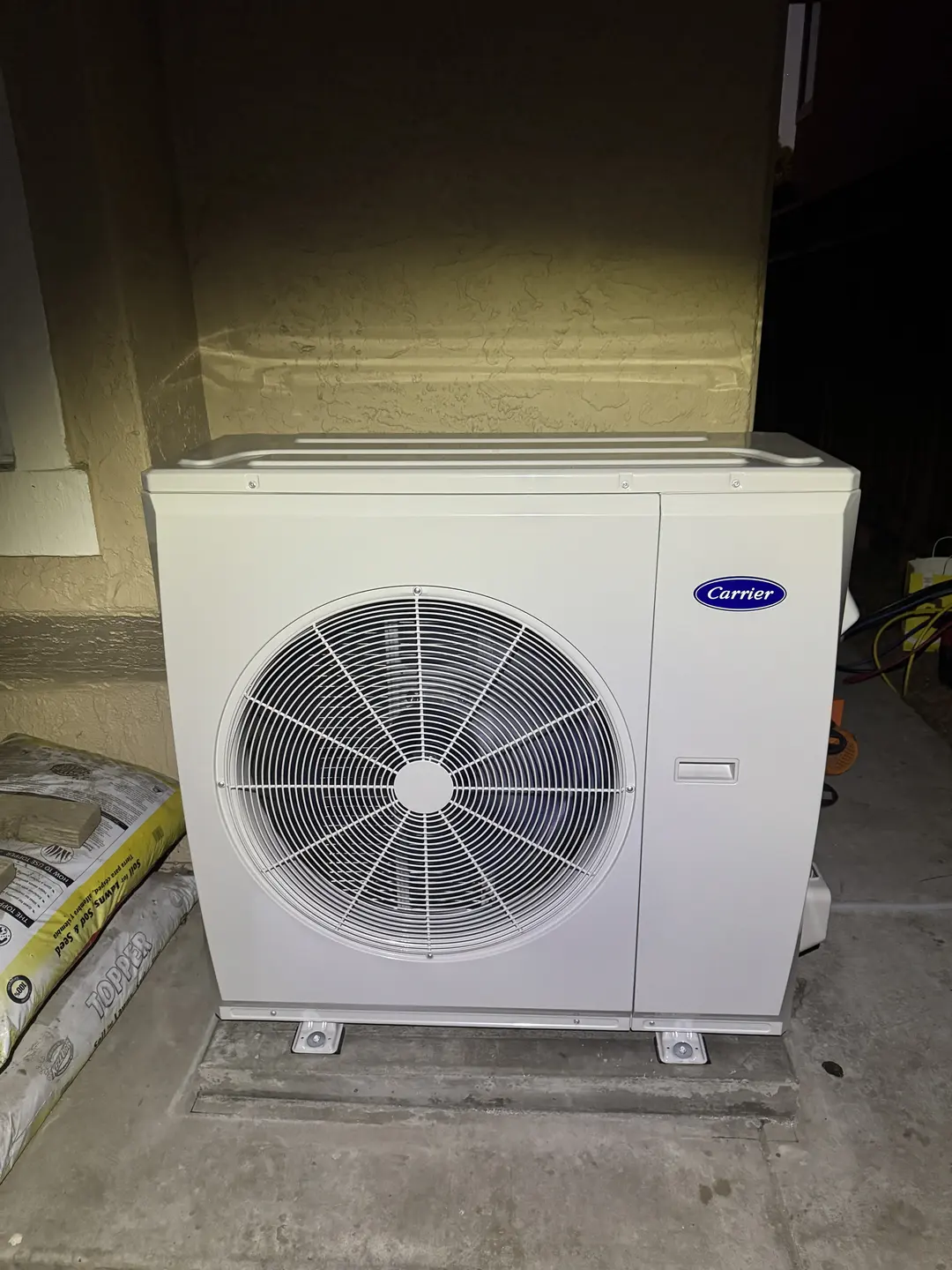
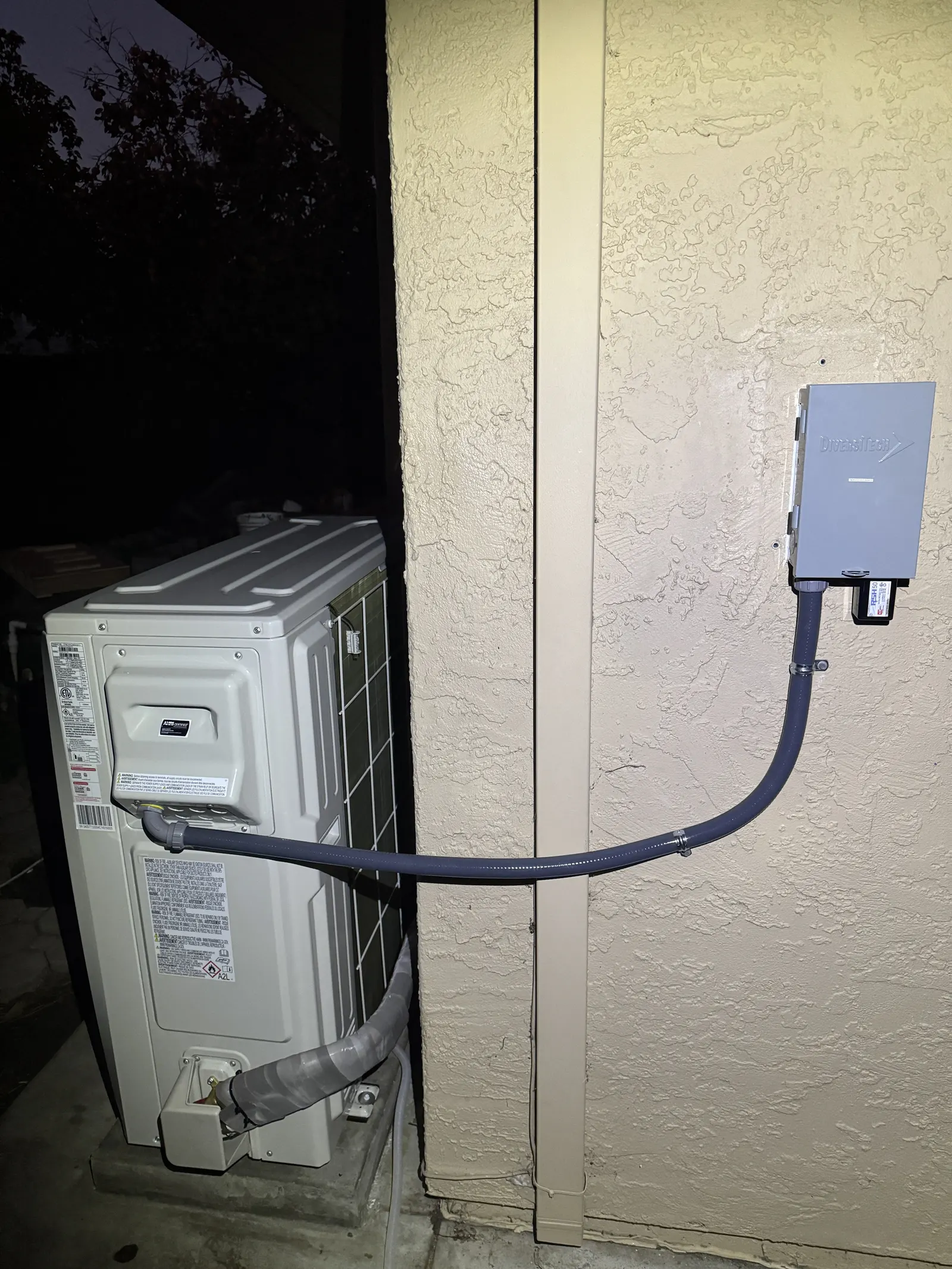
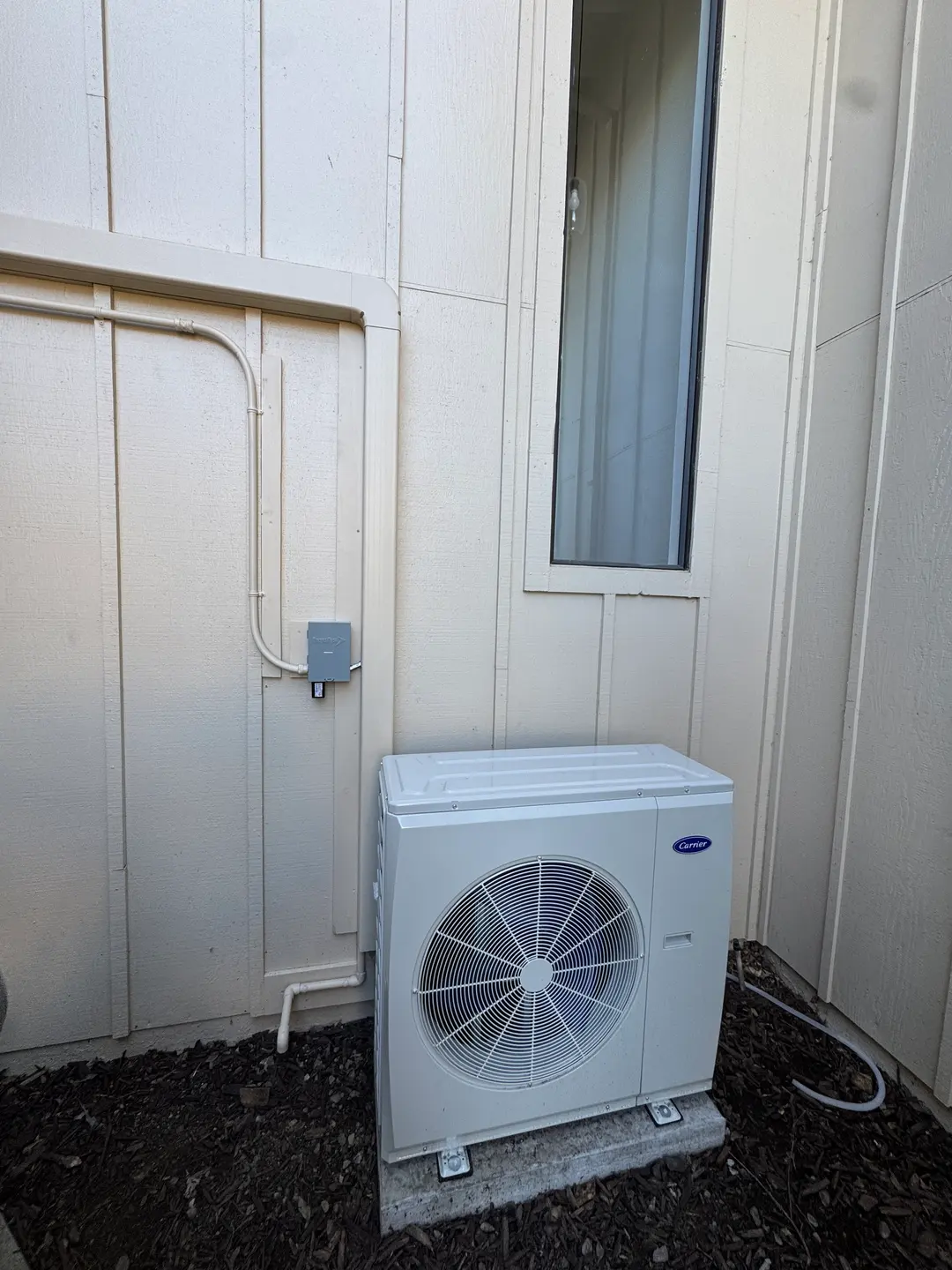
Mitsubishi Electric mini-split outdoor unit with side-wall electrical disconnect and clean line-set conduit on a stucco wall in West Los Angeles

Why estate HVAC and electrification projects are different from premium suburban work

Service in Coldwater Canyon starts with the building, not the brochure. Coldwater Canyon pages should prioritize comfort mapping and access planning. The page below maps each trade to that reality.

An estate replacement is a project management exercise where the HVAC scope is one component. The owner has an estate manager, a property attorney, an interior designer, a landscape designer, sometimes a structural engineer of record, and an existing relationship with a security firm that needs to be coordinated. Our role on the first walk is not to sell equipment. It is to identify which of those parties needs to be in which meeting before the proposal is even priced. Skipping that step turns a 10-day install into a 90-day approval cycle.

Sound documentation is non-negotiable in this cluster. We measure dB at three to five property-line monitor points before the estimate, again at commissioning, and we deliver the readings as part of the close-out package. Beverly Hills city code is 50 dB at the property line during nighttime hours; Trousdale and Bel-Air HOAs often have stricter private covenants. The condenser selection follows from the sound budget, not the other way around. A Trane XV20i at 53 dB sone-rated is the wrong choice next to a bedroom property line in Trousdale. A Daikin Fit side-discharge at 49 dB with a screen wall is right.

Finish protection is the visible discipline. Ram Board on hardwood, plastic tunnels in hallways, dedicated tool staging in a coordinated location, and end-of-day cleanup are baseline requirements, not premium add-ons. Cabinet doors are taped, marble is covered, art is removed by the owner before crews arrive. We have a written protocol that goes to the estate manager 48 hours before mobilization. Estates that have hired competent contractors before know what they are looking at; estates that have been burned in the past particularly notice this protocol.

Equipment selection biases toward three brands here, in roughly this order: Trane XV20i for full-house variable-speed central, Carrier Infinity 26 for modulating compressor performance with Carrier-specific control integration, and Daikin Fit for tight architectural placements where the side-discharge profile matters. Mitsubishi multi-zone shows up for guest cottages, ADUs, and pool-house additions where ductless makes sense. We rarely recommend Goodman in this cluster — not because the equipment is bad, but because the estate maintenance contracts that follow the install want premium parts inventories and tier-1 warranty escalation paths.

Hillside access controls everything else. A driveway under 12% grade with a 20-foot clearance height is a normal install. A driveway above 18% grade with a 14-foot clearance is a project. We do site visits before quoting on canyon and ridge parcels because truck-fit determines whether the equipment arrives in one trip or three, and that drives a 15–25% delta on labor. The most expensive estate mistake is quoting an install before walking the equipment path.

Permits in the estate cluster are usually LADBS even when the address says Bel-Air or BHPO — the parcel is in the City of Los Angeles. Pure Beverly Hills addresses route through Beverly Hills Building & Safety. Holmby Hills, Beverly Crest, and Mulholland-edge parcels can be LA City or LA County depending on the canyon. We verify by APN before scoping. The wrong jurisdiction adds 3–6 weeks to inspection.

Electrical capacity in this cluster is rarely the constraint that the rest of LA struggles with. 200-amp service is standard, 320 or 400-amp is common, and many estates already have generators, EV chargers, and smart-home automation that integrates with the HVAC controller. The challenge is integration: making the new system talk to the existing Crestron, Lutron, Savant, or Control4 platform. We coordinate with the home's automation integrator before signing the scope so the controller selection isn't surprising on commissioning day.

  • dB at property line measured at 3–5 monitor points pre and post-install
  • Beverly Hills code: 50 dB at property line, nighttime
  • Truck-fit site visit required for driveways >18% grade
  • Crestron / Lutron / Savant / Control4 integration coordinated pre-scope

Coldwater Canyon at a glance

Cluster: estate · Type: hillside corridor where sun exposure, narrow roads, and equipment placement matter.

Anchors: Coldwater Canyon Drive, Mulholland Drive, canyon slopes, studio and estate edges.

Building mix: hillside homes, split-level properties, remodeled houses, roof equipment, older panels.

Access constraints: narrow road staging, roof or attic access, condenser sound placement, line-set route review, parking notes.

Why estate scope is different from luxury suburban scope

Coldwater Canyon pages should prioritize comfort mapping and access planning.

Coldwater Canyon is best treated as a hillside corridor where sun exposure, narrow roads, and equipment placement matter. Homes around Coldwater Canyon Drive, Mulholland Drive, canyon slopes, studio and estate edges can include hillside homes, split-level properties, remodeled houses, roof equipment, older panels. That variety matters because an HVAC, electrical, or plumbing call may involve an older panel, slab foundation, sewer lateral, water heater closet, crawl space, garage conduit path, side-yard condenser, or utility shutoff before the core repair can begin.

dB measurements at three to five property-line monitors

The local utility and permit context decides scope. City of Los Angeles addresses may involve LADWP electric and water service, LADBS permits, and SoCalGas gas-appliance context; exact utility should be verified by address For permitting and inspection, the relevant context is LADBS, Beverly Hills, or LA County permit context should be verified before HVAC replacement, panel work, water-heater replacement, or exterior equipment relocation. A simple repair may stay straightforward, but equipment replacement, new circuits, repiping, sewer repair, water-heater replacement, heat pump installation, EV charger work, gas-line work, or remodel-related changes can trigger documentation and inspection steps.

The estate-manager coordination that determines the timeline

In Coldwater Canyon, the most common service friction includes hot slopes, old ducts, panel limits, water pressure issues, drain slope complexity. HVAC calls become more than a thermostat issue when airflow is restricted by old duct design, condensate cannot drain, freeway dust has loaded the condenser coil, or the electrical panel is too tight for a modern heat pump. Electrical calls expand when old panels, ungrounded circuits, overloaded appliance loads, or SCE service planning make a simple device repair into a panel question. Plumbing calls become urgent when a garage water heater leaks, a slab leak moves under flooring, a shutoff fails, or a sewer line is affected by roots or old pipe material.

Hillside access and truck-fit planning

Seasonal context matters too: canyon heat pockets, marine-layer mornings, wildfire smoke events, summer high-load cooling, winter hillside moisture. During heat events, no-cooling calls can involve vulnerable occupants and overloaded temporary cooling. During wildfire smoke periods, filtration, duct leakage, and fresh-air paths drive urgency. During rain or heavy-use periods, slow drains and sewer odors move from annoyance to backup risk.

LADBS vs Beverly Hills permit routing by APN

Prepare for narrow road staging, roof or attic access, condenser sound placement, line-set route review, parking notes. If a landlord, tenant, utility, city inspector, garage access, or shutoff location must be involved, solve that before the service window so the visit does not become an access-only trip. Replacement scope is sequenced around access constraints, not the other way around.
Pricing reference for Coldwater Canyon

Public planning ranges for the most common premium projects we deliver in this neighborhood. Final estimates depend on diagnosis and access.

ServicePlanning rangePermit context
Premium HVAC Installation $11 800–$48 000 Premium HVAC installation or replacement can require mechanical permits, matched-equipment documentation, electrical disconnect or circuit review, condensate routing, duct changes, and final inspection depending on jurisdiction and scope.
AC Replacement $7 400–$29 500 AC replacement may require mechanical permit review, equipment matching documentation, electrical disconnect review, and inspection when equipment, ducts, refrigerant lines, or location changes.
Heat Pump Installation $9 200–$42 000 Heat pump installation can involve mechanical and electrical permits, new circuits or disconnects, duct or line-set modifications, equipment location review, rebate documentation, and inspection.
Ductless Mini-Split Installation $4 800–$26 000 Ductless installation can require mechanical and electrical permits when new circuits, outdoor equipment, condensate routing, penetrations, or multi-zone system changes are involved.
Ductwork and Airflow $450–$14 500 Minor duct repair may stay simple; substantial duct replacement, energy-code scope, equipment replacement, or major redesign can require permit review and inspection.
Emergency HVAC $285–$4 200 Emergency HVAC diagnostics can start with make-safe work; replacement, electrical changes, equipment relocation, or major mechanical scope should still be documented and permitted where required.
Electrical Panel Upgrade $3 600–$18 500 Panel upgrades commonly require permits, inspection, utility coordination, grounding review, service-size planning, and load documentation.
EV Charger Installation $1 200–$11 800 EV charger circuits usually require electrical permits and inspection, with panel capacity, load management, utility territory, and charger amperage reviewed before installation.
Emergency Electrical Repair $285–$4 800 Emergency make-safe work can begin with safety diagnostics; permanent repair, rewiring, panel replacement, or service changes may require permits and inspection.

Coldwater Canyon service matrix

Choose the trade or jump into a high-intent service-by-area page.

Send HVAC, electrical, or plumbing details for Coldwater Canyon.

Use the booking link and include home type, symptom, utility clues, shutoff or panel location, cleanout access, parking notes, and any city or landlord requirements.

Nearby service areas

Bel-Air

luxury hillside estate market with long drives, mechanical rooms, roof equipment, and finish-sensitive replacement projects. Common concern: oversized old equipment.

Bel-Air field profile

East Gate Bel Air

guarded estate pocket where access windows and finish protection control the service plan. Common concern: airflow imbalance.

Open East Gate Bel Air

West Gate Bel Air

west-side estate pocket with canyon access, older ducts, and high-value finishes. Common concern: high static pressure.

West Gate Bel Air service area

Holmby Hills

estate and mansion market with large system capacity, equipment screening, and privacy expectations. Common concern: wrong equipment matching.

Holmby Hills service map

Franklin Canyon

quiet canyon-edge market with privacy, vegetation, and equipment screening concerns. Common concern: canyon moisture.

See Franklin Canyon pricing

Trousdale Estates

architectural hillside market where low-profile equipment, sound, and visual screening are central. Common concern: solar heat gain.

Trousdale Estates install playbook

Helpful guides for Coldwater Canyon

Decisions that often come before a repair, replacement, or remodel-adjacent project.

Homeowner Questions

Short answers for the questions that usually decide whether this is a repair, replacement, inspection, or emergency visit.

What makes HVAC, electrical, and plumbing service different in Coldwater Canyon?

Coldwater Canyon is a hillside corridor where sun exposure, narrow roads, and equipment placement matter. The local profile combines hillside homes, split-level properties, remodeled houses with access constraints like narrow road staging, roof or attic access, condenser sound placement. Each service is adapted to that profile.

Which utility and permit pathway applies for Coldwater Canyon addresses?

City of Los Angeles addresses may involve LADWP electric and water service, LADBS permits, and SoCalGas gas-appliance context; exact utility should be verified by address Permit context: LADBS, Beverly Hills, or LA County permit context should be verified before HVAC replacement, panel work, water-heater replacement, or exterior equipment relocation.

What emergencies are most common in Coldwater Canyon?

Common urgent risk signals: hot slopes, old ducts, panel limits, water pressure issues. Active leaks, burning electrical smells, no cooling during heat, gas odor, or backed-up drains are dispatched within 60–120 minutes.

What HVAC brands install best on Coldwater Canyon homes?

Estate and architectural homes typically pair Trane XV20i, Carrier Infinity 26, or Daikin Fit side-discharge units with concealed ductwork and quiet-mode controls. Mitsubishi multi-zone is preferred for additions, ADUs, and guest houses.

How do I prepare for the visit?

Confirm parking, garage or side-yard access, shutoff and panel locations, cleanout access, utility clues, and any landlord or city inspection requirements. Send equipment label photos, panel photos, and a 60-second video walkthrough through the booking link.

Coldwater Canyon-area homeowner reviews

These visible review bodies are kept in exact parity with the JSON-LD review schema on this page.

Sergei V. Coldwater Canyon

The hillside grade required a small retaining wall and an engineered pad before the new Trane XV20i 5-ton could even sit. They coordinated with a structural engineer for the wall, pulled all the LADBS permits including the grading addendum, and the pad was done before the equipment showed up. Final commissioning had subcooling and superheat dialed in within manufacturer spec and 56 dB at the closest property line.

Inessa V. Coldwater Canyon

38 degrees at 6 AM in the canyon, furnace ignition was failing. Called at 6:20 AM, technician was at the house at 8:10. Diagnosed a failed control board, had the part on the truck, replaced it and verified flame rectification before leaving. Total time from call to heat back on was under three hours. He also flagged the heat exchanger was at year 18 of life and we should plan replacement next spring rather than emergency.

Harith B. Coldwater Canyon

Heat exchanger crack diagnosed during a routine maintenance visit, with combustion gas readings outside spec. They red-tagged the unit immediately, brought a temporary electric heater for the night, and had a Trane XV18 replacement installed by 2 PM the next day. House was back at 70 degrees within four hours. Their willingness to drop everything for a safety issue is the reason we are clients for life.

Eric H. Pico-Robertson

We had two upstairs bedrooms that ran ten degrees hotter than the rest of the duplex on summer afternoons, and our existing 2008 condenser was running constantly. The team came out, did a real Manual J on every room, and instead of pushing a 5-ton replacement they recommended a 3-zone Mitsubishi MXZ system with a small ducted unit for the main floor and two wall cassettes upstairs. The line-set route through the wall cavity was thoughtful and didn't touch any exterior plaster. They pulled a mechanical permit through LADBS, scheduled the inspector, and were done with everything in five days. Two summers in, the upstairs is now within two degrees of the main floor, and our LADWP bill in August dropped from around $480 to $310.

Design Call