EV Charger Installation in Beachwood Canyon

EV Charger Installation in Beachwood Canyon: planning range $1 200–$11 800, typical timeline 5–10 business days from signed scope to install start. EV charger circuits usually require electrical permits and inspection, with panel capacity, load management, utility territory, and charger amperage reviewed before installation. Call +1 (213) 277-6575 for a same-day comfort assessment.

★★★★★ 5.0 · 30+ verified reviews · Westside Los Angeles install desk

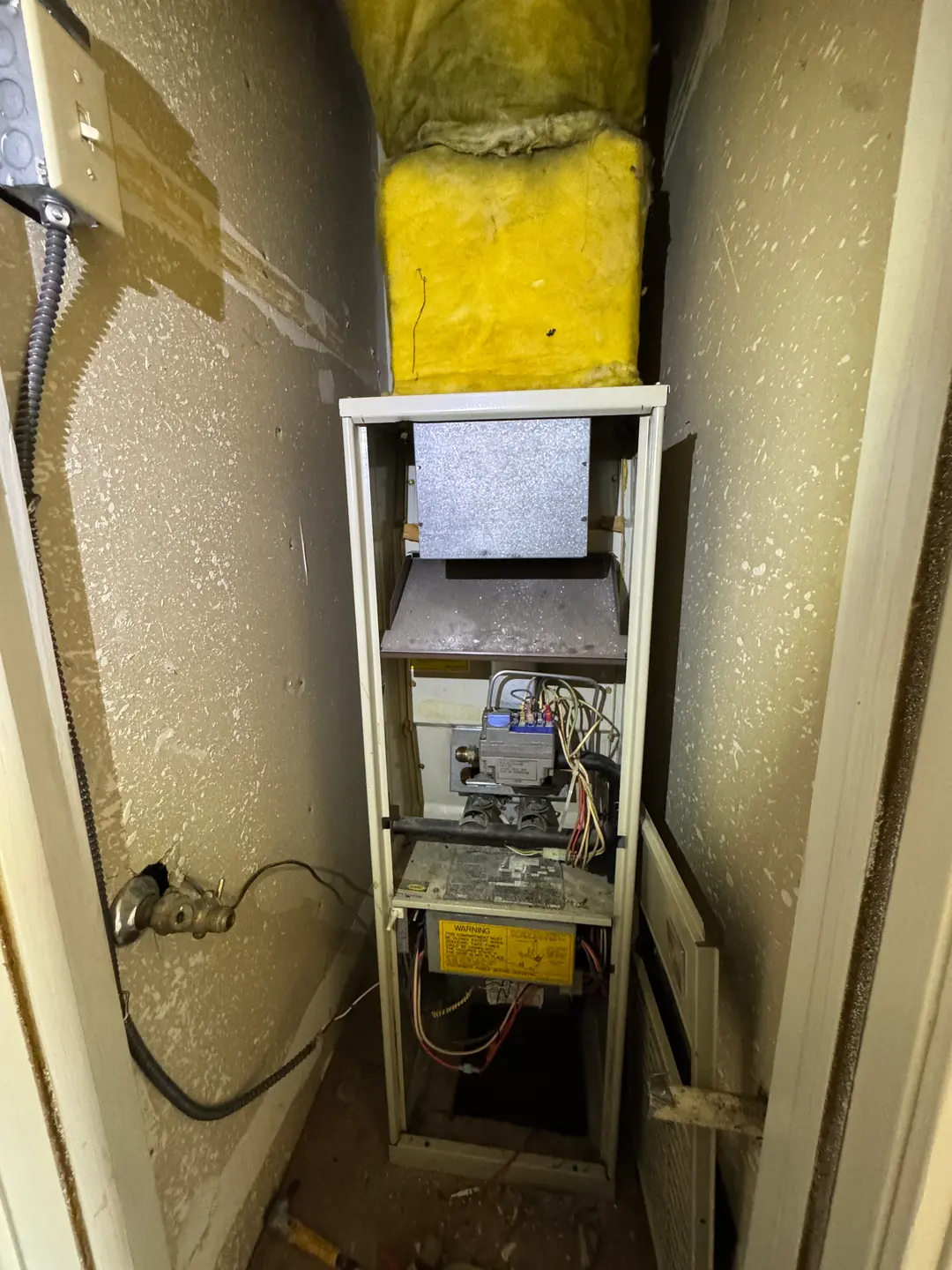
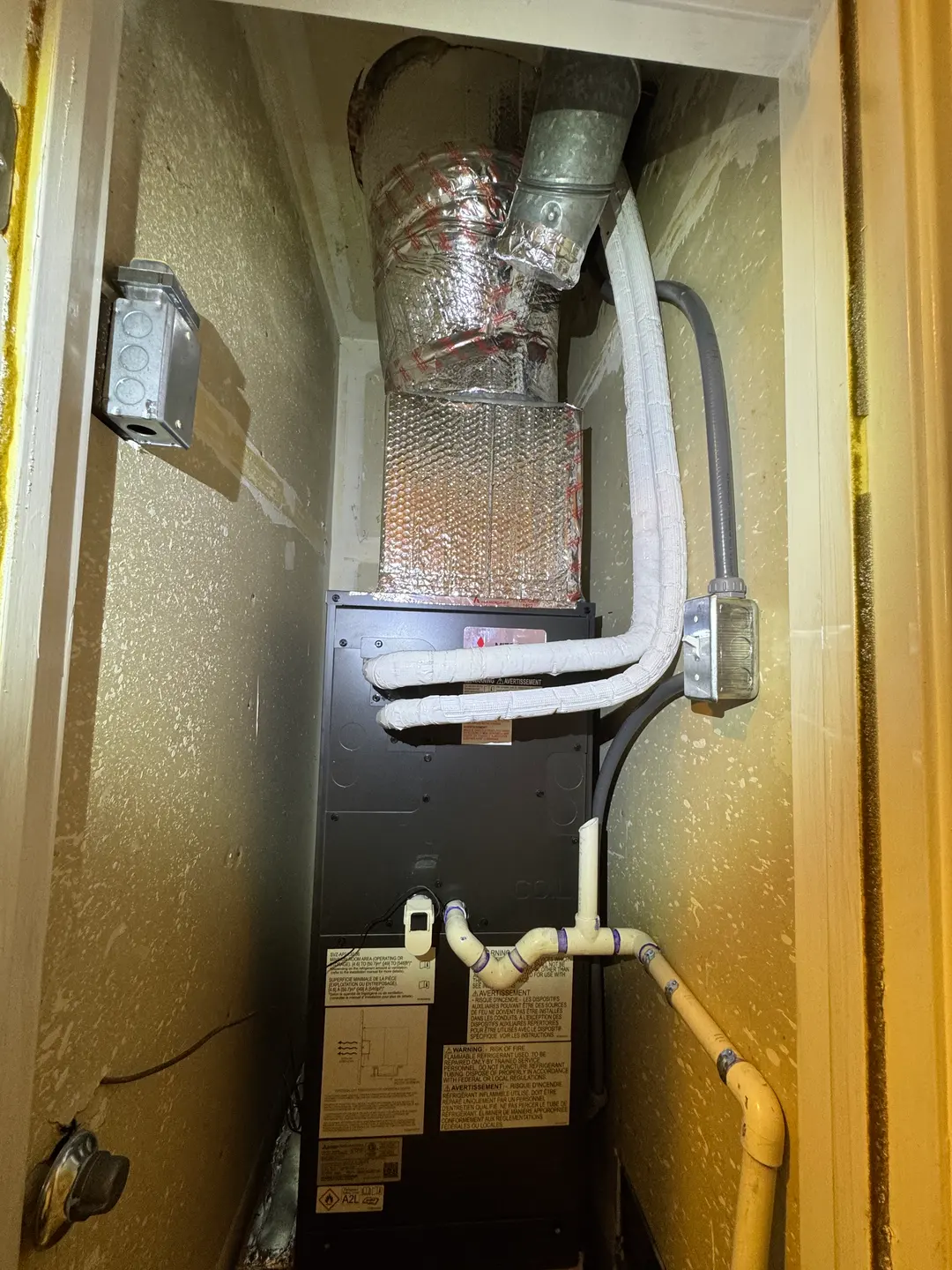
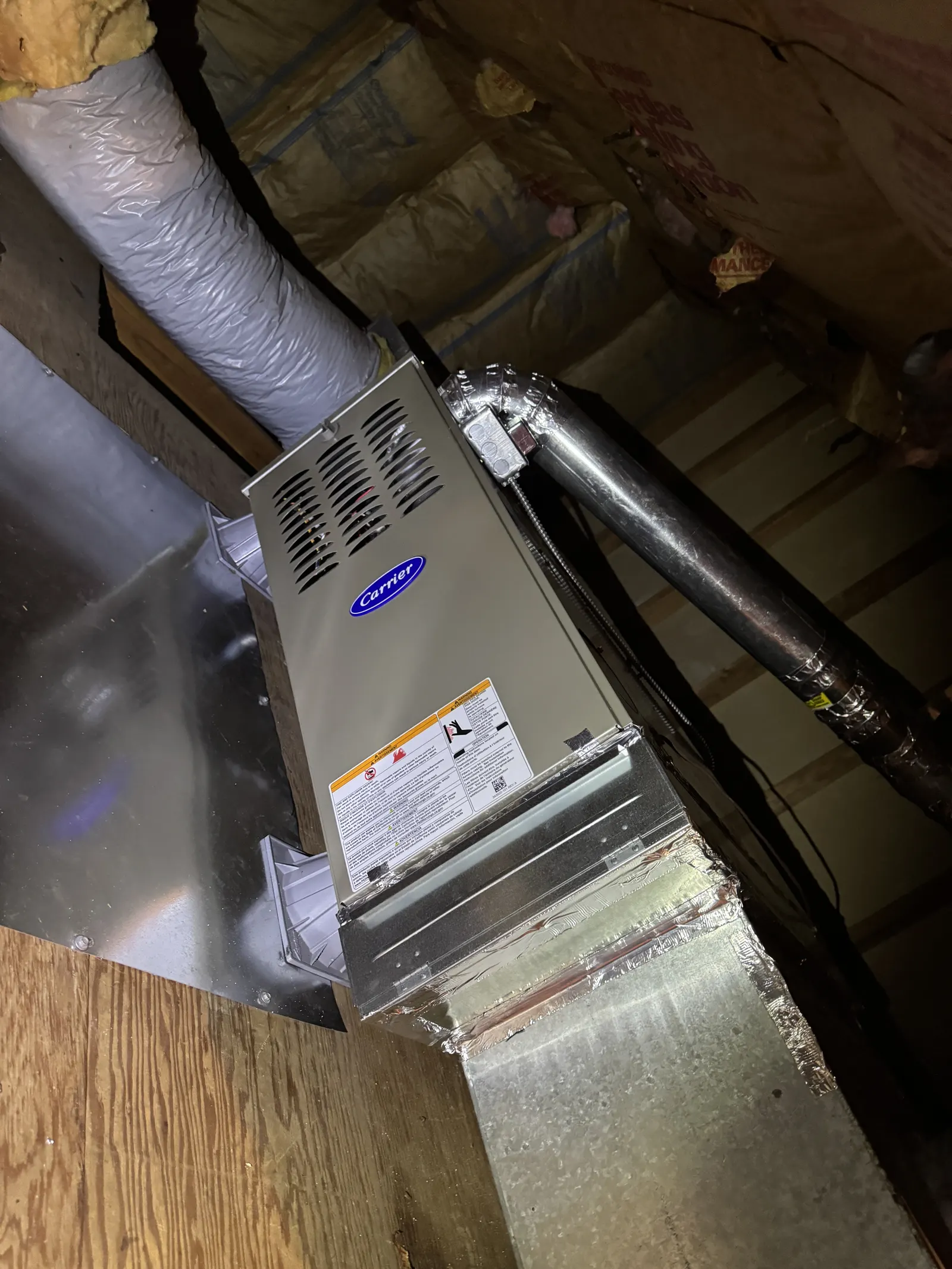
Close-up of a newly installed Carrier residential furnace label and rating plate inside a West Los Angeles mechanical space

From the project ledger: South Robertson: 100→200A panel + Span smart panel + Tesla wall connector

Recent EV charger installation project for context — what we measured, what we installed, and what the homeowner saw afterwards.

2025-05-08 → 2025-05-14

South Robertson: 100→200A panel + Span smart panel + Tesla wall connector

Combined heat-pump-ready panel upgrade with EV charger circuit and induction range circuit in one project. Original 1973 panel had no capacity for any of those loads.

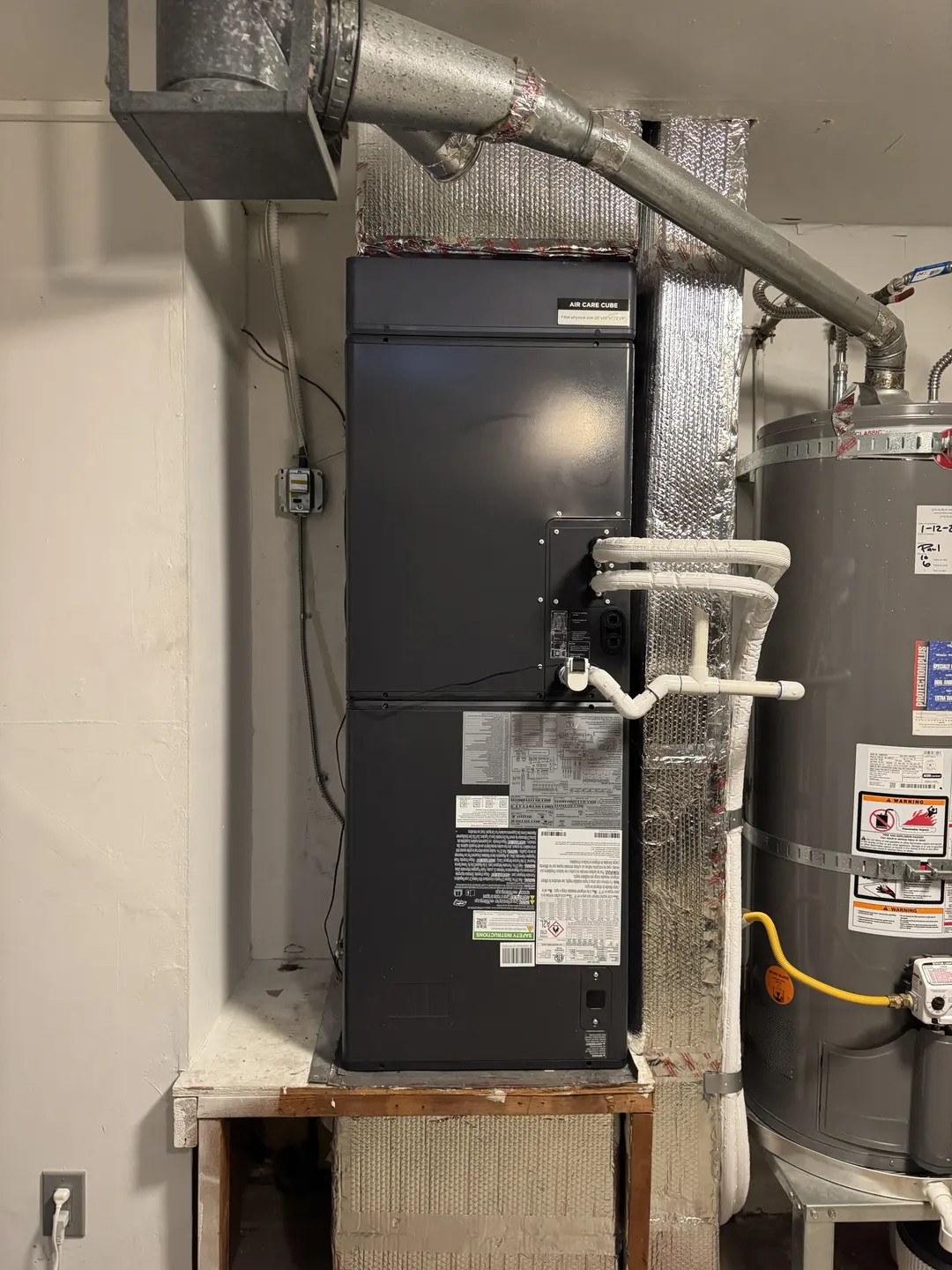
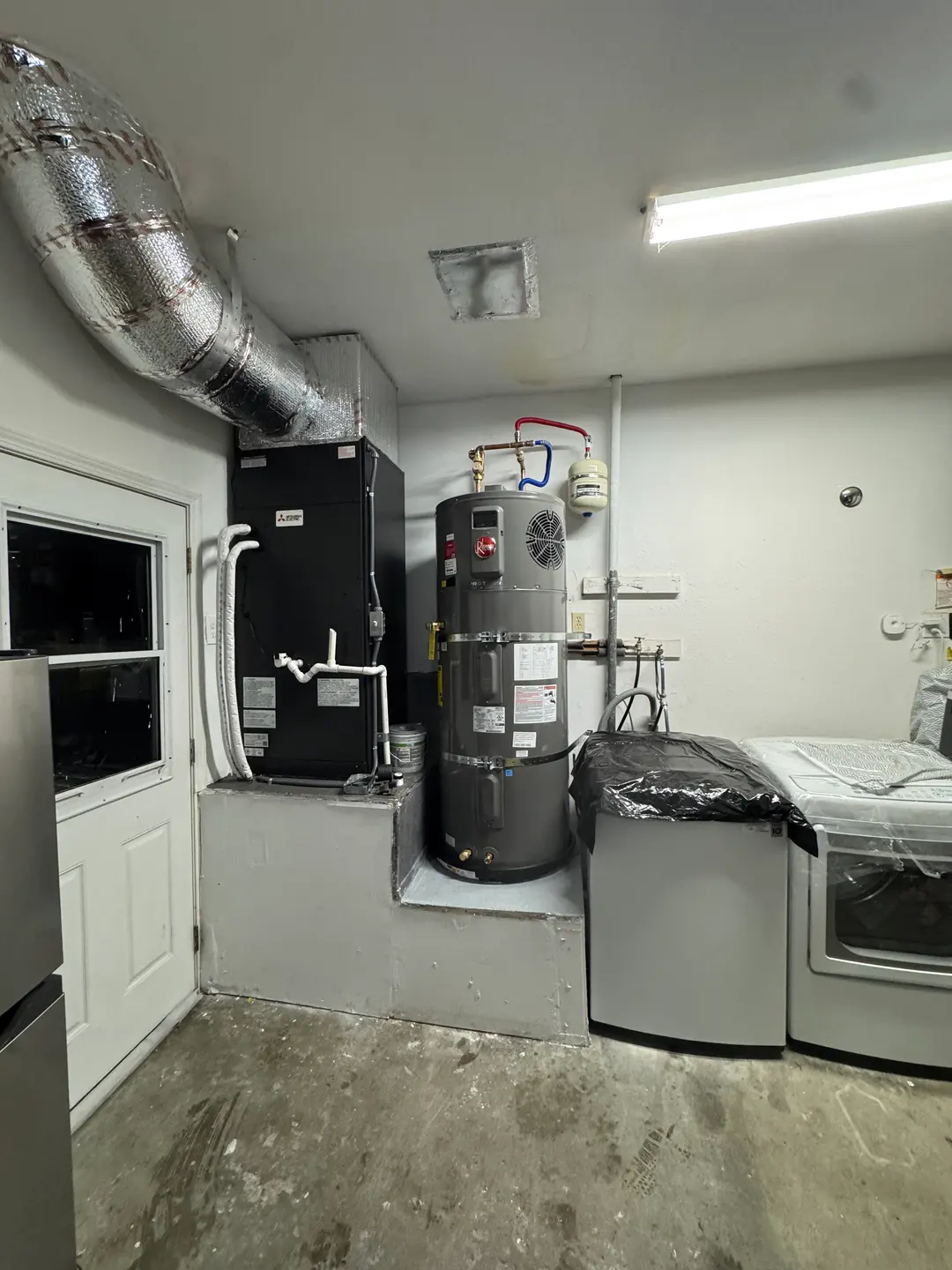
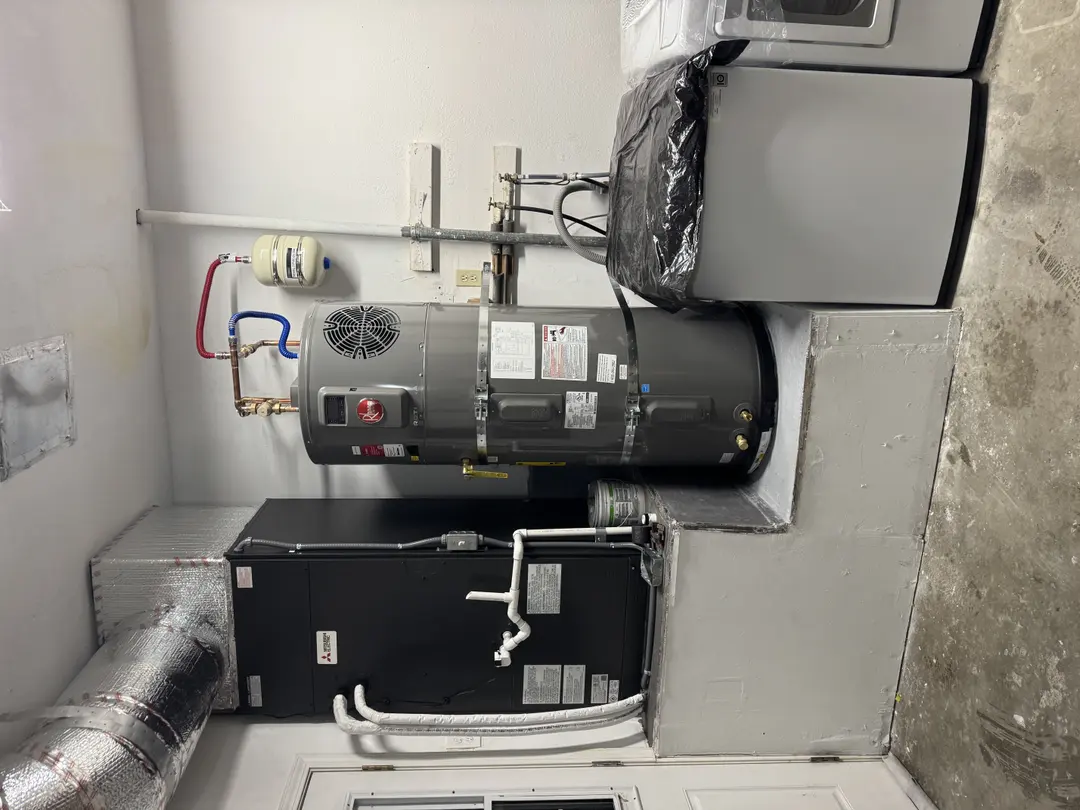
Black multi-position air handler tied into supply plenum in a Pico-Robertson mechanical closet next to a 50-gallon water heater
Property
Single-family (1973)
Removed
ITE Bulldog Pushmatic 100A panel (1973), known recall hazard
Installed
Square D HOM 200A main panel + Span Smart Panel + Tesla Wall Connector Gen 3 + dedicated heat-pump circuit (40A) and induction range circuit (50A)
Permit
LADBS electrical permit + LADWP service upgrade, inspection cleared 2025-05-15
Cost
$14 800–$16 200
  • LADWP service upgrade coordinated 2025-05-10, drop replaced same day
  • Span panel allows automatic load shedding if simultaneous EV + range demand exceeds capacity
  • Inspection passed first try with documented load calculations
  • ADU pre-wire stubbed for future expansion

Measurements

Main Service Pre
100A
Main Service Post
200A
Future Ready Loads
heat pump, EV charger, induction range, future ADU

Field note: Panel upgrades are rarely just panel upgrades. Doing one when a heat pump + EV + induction range are on the roadmap saves three callbacks and one extra LADWP coordination.

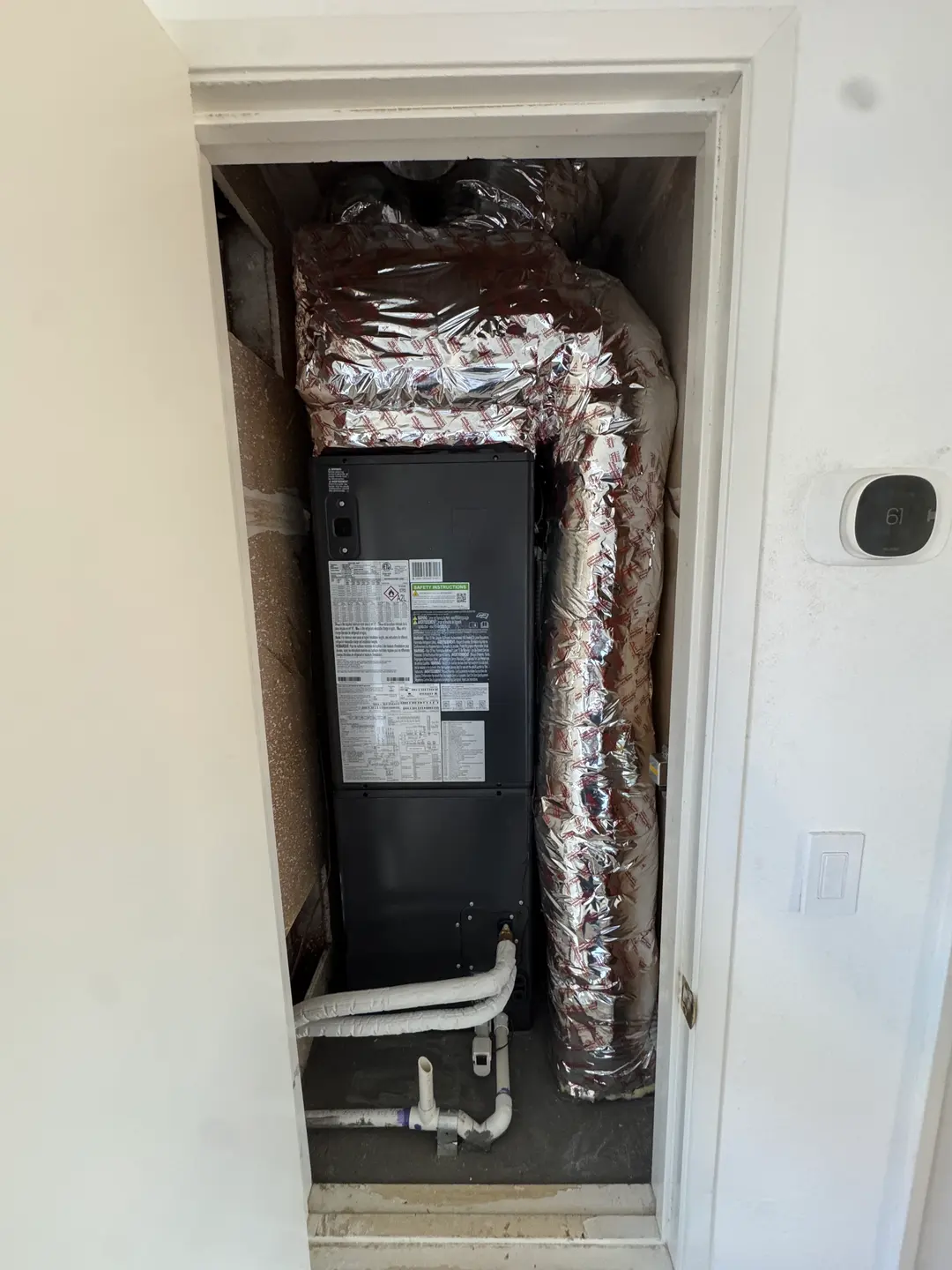
Goodman vertical air handler installed inside a clean West Los Angeles mechanical closet with new flex-duct supply and PVC condensate routing

What a EV charger installation project actually involves in Beachwood Canyon

Most EV charger installation bids in Beachwood Canyon miss what the home is asking for. Electrical work on canyon homes and older bungalows requires roof access, attention to old ducts, and a permit pathway that respects ladbs hillside. Our scope is built for that.

Three details change electrical pricing in Beachwood Canyon more than equipment tier: hillside street parking, canyon heat, and hot south-facing slopes. EV Charger Installation that ignores any one of those tends to come back as a callback within 18 months. We surface those before signing.

Beachwood Canyon field profile

Three numbers that matter for Beachwood Canyon HVAC: Beachwood Drive as the navigation anchor, canyon homes as the dominant building type, and canyon heat as the most common failure pattern. Around them, the install scope adapts. LADBS hillside, mechanical, electrical, plumbing, and inspection context can apply when equipment location, roof access, circuits, or drains change.

Sizing, brand selection, and placement

Three things can blow up a EV charger installation budget in Beachwood Canyon: undersized return air, the wrong load management, and unplanned electrical work when the panel turns out to be 100 amps. We catch those at the photo review, not on day two of the install.

What we do not do: keep resetting breakers on a tripping circuit, run water into a backed-up drain, operate HVAC equipment that smells hot or is spilling water, or quote replacement before a real diagnostic. Those shortcuts turn small repairs into bigger damage.

How the existing building decides the scope

For EV charger installation in Beachwood Canyon, the bias should be repair when the equipment is under ten years old, the failure is mechanical (not refrigerant or heat-exchanger), and the scope is contained. Replacement gets the nod when repeat callbacks, refrigerant transition, or wrong breaker size change the math.

Permit pathway through the local jurisdiction

EV charger circuits usually require electrical permits and inspection, with panel capacity, load management, utility territory, and charger amperage reviewed before installation. For this market specifically: LADBS hillside, mechanical, electrical, plumbing, and inspection context can apply when equipment location, roof access, circuits, or drains change.

The replacement scope opens with photos and a site walk. We measure static pressure, photograph the panel main breaker, list comfort complaints by room, and confirm whether HOA, estate-manager, or jurisdictional review is going to be in the project critical path. Inspection-day documentation is prepared from day one — AHRI certificate, equipment serial numbers, electrical disconnect routing, condensate plan.

Commissioning and the close-out package

Single most useful prep for a Beachwood Canyon appointment: a 90-second video walkthrough of the equipment, the panel, and the affected room. Audio is fine. Send it through the booking link or text the photos to +1 (213) 277-6575.

Hillside and canyon HVAC: what the slope, the access, and the sun exposure actually mean

The hills cluster covers Doheny Estates, Sunset Plaza, the Bird Streets, Mount Olympus, Laurel Canyon, Nichols Canyon, Outpost Estates, Hollywood Dell, Whitley Heights, and Beachwood Canyon. These are not estate projects in the Bel-Air sense. They are architectural retrofits on parcels where the slope, the road width, and the sun exposure shape every decision.

The first variable is the road. Sunset Plaza Drive is a 22-foot easement after parked cars eat into it. Lookout Mountain in Laurel Canyon narrows to 16 feet on the worst curves. Beachwood narrows to one lane at the Hollywoodland gate. None of this matters until equipment arrives, and then it matters more than anything. Our standard practice on hillside addresses is a pre-quote walkthrough with measurements: driveway grade, road width at narrowest curve, overhead clearance to the property entry, and any tree canopy that limits truck height. The numbers go directly into the labor estimate.

Sun exposure on view-home parcels controls the cooling load in ways that flat-lot houses don't experience. A south- or west-facing glass wall above the canyon takes direct solar gain from 11am to 7pm in summer. The slab and interior masonry hold that heat until midnight or later. A 4-ton system that handles the daytime load can fail at 9pm because the building is still releasing absorbed heat into the air. Our approach here is rarely larger equipment. It is variable-speed equipment that can run low-stage continuously in the evening and pull the slab temperature down before the next morning's cycle starts.

Glass-wall homes in the Bird Streets and Trousdale-adjacent ridges respond particularly badly to oversized standard-stage equipment. The system short-cycles, the humidity climbs because the dehumidification cycle never completes, and the owner experiences "clammy comfort" — air that's at setpoint but feels wrong. The fix is modulating compressors (Carrier Infinity 26, Trane XV20i, Daikin Fit) that can ride the load. We have replaced more correctly-sized 2-ton variable-speed systems that work better than the 4-ton single-stage units they replaced than the other way around.

Ductwork in this cluster is often the constraint. Hillside homes built 1950–1975 commonly have ducts routed through 2x4 stud bays or floor joists that were never sized for modern airflow. A 1968 Hollywood Hills modern with 14-inch supply trunks throttling a new 4-ton air handler will measure 1.0+ in. w.c. static pressure when it should be 0.5. Equipment manufacturers' warranties don't cover field installations operating outside spec, and we will not install premium variable-speed equipment on a duct system that throttles it. The duct rebuild becomes part of the scope or we walk away from the bid.

  • Pre-quote driveway/road measurement on hillside addresses
  • Variable-speed compressors mandatory on glass-wall view homes
  • MERV-16 + ERV + PurpleAir integration standard since 2024
  • Condensate routing to dry well, code-pitched lateral, or lift pump — never planter

Cost drivers in Beachwood Canyon

Beachwood Canyon pricing depends on what is hidden as much as what is visible. The cost-driver table below names each variable and the local context that changes it.

DriverWhy it matters for ev charger installationHow to reduce friction
Panel capacity Panel capacity changes labor, parts, diagnostic time, safety steps, or inspection needs. In Beachwood Canyon, it is influenced by hillside street parking and canyon heat. Send photos, confirm access, and note coordination needs in your booking note.
Conduit distance Conduit distance changes labor, parts, diagnostic time, safety steps, or inspection needs. In Beachwood Canyon, it is influenced by roof access and old ducts. Send photos, confirm access, and note coordination needs in your booking note.
Charger amperage Charger amperage changes labor, parts, diagnostic time, safety steps, or inspection needs. In Beachwood Canyon, it is influenced by line-set route review and panel capacity. Send photos, confirm access, and note coordination needs in your booking note.
Load management Load management changes labor, parts, diagnostic time, safety steps, or inspection needs. In Beachwood Canyon, it is influenced by water shutoff notes and drain slope. Send photos, confirm access, and note coordination needs in your booking note.
Garage finish protection Garage finish protection changes labor, parts, diagnostic time, safety steps, or inspection needs. In Beachwood Canyon, it is influenced by landscape protection and dust and debris at condensers. Send photos, confirm access, and note coordination needs in your booking note.
Future HVAC loads Future HVAC loads changes labor, parts, diagnostic time, safety steps, or inspection needs. In Beachwood Canyon, it is influenced by hillside street parking and canyon heat. Send photos, confirm access, and note coordination needs in your booking note.

Send details for ev charger installation in Beachwood Canyon.

Add photos, access notes, urgency, and whether dust and debris at condensers or another home-system issue is involved.

Related links for this decision

Homeowner Questions

Short answers for the questions that usually decide whether this is a repair, replacement, inspection, or emergency visit.

How fast should I book EV charger installation in Beachwood Canyon?

Book quickly if the symptom involves undersized panel or wrong breaker size. In Beachwood Canyon, urgency rises when panel capacity could affect safety, finished interiors, electrical equipment, or shutoff timing. Active leaks, no-cooling during heat, gas odor, burning electrical smell, or repeated breaker trips are emergency-tier — call +1 (213) 277-6575.

What should I prepare for EV charger installation before the technician arrives?

Send photos of photograph panel, measure panel-to-parking distance, choose charger location. For Beachwood Canyon, also confirm line-set route review and water shutoff notes.

Do you handle permits and inspections for EV charger installation in Beachwood Canyon?

Yes. EV charger circuits usually require electrical permits and inspection, with panel capacity, load management, utility territory, and charger amperage reviewed before installation. LADBS hillside, mechanical, electrical, plumbing, and inspection context can apply when equipment location, roof access, circuits, or drains change AHRI matched-system documentation, condensate routing review, electrical disconnect verification, and final inspection scheduling are included in the replacement scope.

How quickly can a Beachwood Canyon EV charger installation appointment be scheduled?

Standard Beachwood Canyon bookings open within 48–72 hours; emergency dispatch for active leaks, no-cooling, or gas/electrical safety symptoms is typically on-site within 60–120 minutes.

Recent EV charger installation reviews from Westside Los Angeles homeowners

These visible review bodies are kept in exact parity with the JSON-LD review schema on this page.

Cathy Wen South Robertson

Wanted a heat pump, an induction range, and a Tesla wall connector all in the same project. The original 100-amp panel from 1973 was not going to make that work. The team coordinated the LADWP service upgrade, pulled the LADBS electrical permit, swapped to a 200-amp panel with a Span smart panel for load management. Inspection passed first try. The Span app is a bit of a learning curve but the electricians walked me through it. Kitchen, garage, and the future ADU are all covered now.

Manuel Ortiz Beverly Center District

Adding two ductless heads to a Beverly Center condo meant adding two dedicated 20-amp circuits. The HOA insisted on a permit, which most contractors quietly skip. The team pulled it through LADBS, the inspector came on a Tuesday morning, signed off in fifteen minutes, and the install was done by Thursday. A licensed electrician on staff makes this kind of project actually move.

Pooja Ramaswamy Brentwood Park

Picked up a Model Y and needed a real home charger. They ran a 60-amp 240V circuit about 35 feet through the attic to the garage, terminated in a Tesla Wall Connector Gen 3 set to 48A output. Voltage drop came in under 2 percent on 6 AWG copper. Pulled the LADBS permit and handled the inspection. Clean conduit work, no drywall damage.

Henry Vasquez South Carthay

Converting the detached garage into an ADU and needed real power out there. They trenched 65 feet from the main panel, ran 2/0 aluminum SER in PVC conduit to a 100-amp Eaton CH subpanel in the ADU, with separate ground and neutral bonded only at the main per NEC. Included a JuiceBox 40 EV charger circuit on the same subpanel for the future tenant. LADBS sign-off was painless.

Design Call