
Sofia Kwan
Sofia Kwan coordinates premium HVAC installation planning for Westside Los Angeles homes, with field emphasis on heat-load review, duct leakage, static pressure, ductless zoning, variable-speed heat pumps, quiet condenser placement, hillside access, coastal corrosion, finish protection, AHRI matched-system documentation, electrical load planning, and permit-conscious replacement workflows.
Short answer
Emergency no-cooling triage should reduce heat risk without creating electrical, water, or equipment damage. In Westside Los Angeles, the right answer is rarely just a brand, model, fixture, breaker, or drain machine. The home decides part of the scope. Hillside access, gated entries, old ducts, premium finishes, roof equipment, side-yard condensers, electrical panels, water heaters, drains, gas appliances, coastal corrosion, and utility differences add constraints that change the practical plan.
This guide is written from the field-coordination point of view. The goal is to help you know what to document, what to ask, what can go wrong, when a repair is enough, when replacement is responsible, and which service page to open next. It is not a substitute for a permitted inspection or a field diagnosis, but it should make the first visit more useful and reduce the chance that the job stalls over access or missing information.
When no cooling becomes urgent
For emergency no-cooling triage, this section matters because Westside LA homeowners often see the visible symptom before they see the building constraint. A failed part, weak hot water, dead outlet, slow drain, no cooling, gas odor, or high quote may look simple until the technician asks where the equipment sits, who controls access, whether the panel has capacity, whether the shutoff works, whether the condenser location is acceptable, or whether the work changes a permitted system.
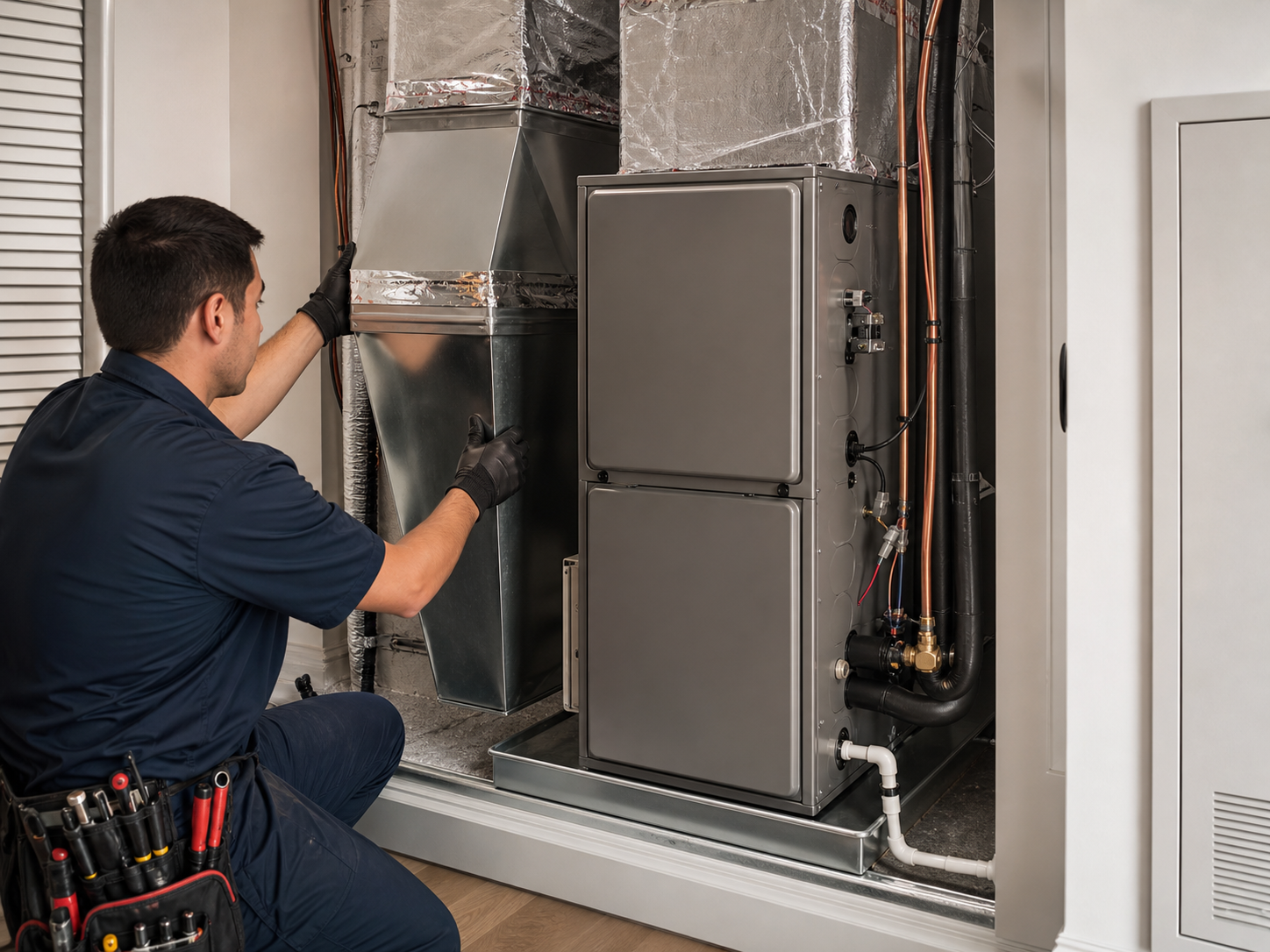
The first practical step is documentation. Take photos of the equipment label, panel, breaker area, water heater, shutoff, drain, cleanout, leak path, thermostat, condenser, garage conduit route, or affected flooring. Write down the city, home type, parking limits, utility provider, landlord or tenant contact, city inspection status, and any time window rules. Those details sound administrative, but they can decide whether the visit becomes diagnosis or a reschedule.
The second step is separating the immediate symptom from the permanent solution. A repair can be smart when the system is safe and the cause is contained. Replacement can be smarter when the same failure repeats, the equipment is mismatched, the panel is overloaded, venting is unsafe, drains are collapsing, or water damage risk is spreading. Inspection planning is best when you are adding capacity, changing equipment type, preparing a remodel, buying or selling, or trying to understand an old building before committing money.
The third step is asking what other trade might be affected. HVAC decisions can require electrical review. Electrical work can be blocked by water damage or panel location. Plumbing repairs can require electrical make-safe work, gas or vent review, finish protection, or utility coordination. Good planning is not slower. It reduces the number of return visits and avoids paying twice for a scope that should have been connected from the start.
What to check without making the problem worse
For emergency no-cooling triage, this section matters because Westside LA homeowners often see the visible symptom before they see the building constraint. A failed part, weak hot water, dead outlet, slow drain, no cooling, gas odor, or high quote may look simple until the technician asks where the equipment sits, who controls access, whether the panel has capacity, whether the shutoff works, whether the condenser location is acceptable, or whether the work changes a permitted system.
The first practical step is documentation. Take photos of the equipment label, panel, breaker area, water heater, shutoff, drain, cleanout, leak path, thermostat, condenser, garage conduit route, or affected flooring. Write down the city, home type, parking limits, utility provider, landlord or tenant contact, city inspection status, and any time window rules. Those details sound administrative, but they can decide whether the visit becomes diagnosis or a reschedule.
The second step is separating the immediate symptom from the permanent solution. A repair can be smart when the system is safe and the cause is contained. Replacement can be smarter when the same failure repeats, the equipment is mismatched, the panel is overloaded, venting is unsafe, drains are collapsing, or water damage risk is spreading. Inspection planning is best when you are adding capacity, changing equipment type, preparing a remodel, buying or selling, or trying to understand an old building before committing money.
The third step is asking what other trade might be affected. HVAC decisions can require electrical review. Electrical work can be blocked by water damage or panel location. Plumbing repairs can require electrical make-safe work, gas or vent review, finish protection, or utility coordination. Good planning is not slower. It reduces the number of return visits and avoids paying twice for a scope that should have been connected from the start.
Field note from Sofia Kwan
When a homeowner gives me photos, access notes, and the real symptom, I can usually tell whether the first visit should be diagnostic, emergency, replacement planning, or inspection-oriented. When those notes are missing, the building often becomes the first problem.
Why repeated breaker resets are dangerous
For emergency no-cooling triage, this section matters because Westside LA homeowners often see the visible symptom before they see the building constraint. A failed part, weak hot water, dead outlet, slow drain, no cooling, gas odor, or high quote may look simple until the technician asks where the equipment sits, who controls access, whether the panel has capacity, whether the shutoff works, whether the condenser location is acceptable, or whether the work changes a permitted system.
The first practical step is documentation. Take photos of the equipment label, panel, breaker area, water heater, shutoff, drain, cleanout, leak path, thermostat, condenser, garage conduit route, or affected flooring. Write down the city, home type, parking limits, utility provider, landlord or tenant contact, city inspection status, and any time window rules. Those details sound administrative, but they can decide whether the visit becomes diagnosis or a reschedule.
The second step is separating the immediate symptom from the permanent solution. A repair can be smart when the system is safe and the cause is contained. Replacement can be smarter when the same failure repeats, the equipment is mismatched, the panel is overloaded, venting is unsafe, drains are collapsing, or water damage risk is spreading. Inspection planning is best when you are adding capacity, changing equipment type, preparing a remodel, buying or selling, or trying to understand an old building before committing money.
The third step is asking what other trade might be affected. HVAC decisions can require electrical review. Electrical work can be blocked by water damage or panel location. Plumbing repairs can require electrical make-safe work, gas or vent review, finish protection, or utility coordination. Good planning is not slower. It reduces the number of return visits and avoids paying twice for a scope that should have been connected from the start.
How water near the air handler changes the call
For emergency no-cooling triage, this section matters because Westside LA homeowners often see the visible symptom before they see the building constraint. A failed part, weak hot water, dead outlet, slow drain, no cooling, gas odor, or high quote may look simple until the technician asks where the equipment sits, who controls access, whether the panel has capacity, whether the shutoff works, whether the condenser location is acceptable, or whether the work changes a permitted system.
The first practical step is documentation. Take photos of the equipment label, panel, breaker area, water heater, shutoff, drain, cleanout, leak path, thermostat, condenser, garage conduit route, or affected flooring. Write down the city, home type, parking limits, utility provider, landlord or tenant contact, city inspection status, and any time window rules. Those details sound administrative, but they can decide whether the visit becomes diagnosis or a reschedule.
The second step is separating the immediate symptom from the permanent solution. A repair can be smart when the system is safe and the cause is contained. Replacement can be smarter when the same failure repeats, the equipment is mismatched, the panel is overloaded, venting is unsafe, drains are collapsing, or water damage risk is spreading. Inspection planning is best when you are adding capacity, changing equipment type, preparing a remodel, buying or selling, or trying to understand an old building before committing money.
The third step is asking what other trade might be affected. HVAC decisions can require electrical review. Electrical work can be blocked by water damage or panel location. Plumbing repairs can require electrical make-safe work, gas or vent review, finish protection, or utility coordination. Good planning is not slower. It reduces the number of return visits and avoids paying twice for a scope that should have been connected from the start.
What photos and access notes help the dispatcher
For emergency no-cooling triage, this section matters because Westside LA homeowners often see the visible symptom before they see the building constraint. A failed part, weak hot water, dead outlet, slow drain, no cooling, gas odor, or high quote may look simple until the technician asks where the equipment sits, who controls access, whether the panel has capacity, whether the shutoff works, whether the condenser location is acceptable, or whether the work changes a permitted system.
The first practical step is documentation. Take photos of the equipment label, panel, breaker area, water heater, shutoff, drain, cleanout, leak path, thermostat, condenser, garage conduit route, or affected flooring. Write down the city, home type, parking limits, utility provider, landlord or tenant contact, city inspection status, and any time window rules. Those details sound administrative, but they can decide whether the visit becomes diagnosis or a reschedule.
The second step is separating the immediate symptom from the permanent solution. A repair can be smart when the system is safe and the cause is contained. Replacement can be smarter when the same failure repeats, the equipment is mismatched, the panel is overloaded, venting is unsafe, drains are collapsing, or water damage risk is spreading. Inspection planning is best when you are adding capacity, changing equipment type, preparing a remodel, buying or selling, or trying to understand an old building before committing money.
The third step is asking what other trade might be affected. HVAC decisions can require electrical review. Electrical work can be blocked by water damage or panel location. Plumbing repairs can require electrical make-safe work, gas or vent review, finish protection, or utility coordination. Good planning is not slower. It reduces the number of return visits and avoids paying twice for a scope that should have been connected from the start.
When replacement planning should begin after the emergency
For emergency no-cooling triage, this section matters because Westside LA homeowners often see the visible symptom before they see the building constraint. A failed part, weak hot water, dead outlet, slow drain, no cooling, gas odor, or high quote may look simple until the technician asks where the equipment sits, who controls access, whether the panel has capacity, whether the shutoff works, whether the condenser location is acceptable, or whether the work changes a permitted system.
The first practical step is documentation. Take photos of the equipment label, panel, breaker area, water heater, shutoff, drain, cleanout, leak path, thermostat, condenser, garage conduit route, or affected flooring. Write down the city, home type, parking limits, utility provider, landlord or tenant contact, city inspection status, and any time window rules. Those details sound administrative, but they can decide whether the visit becomes diagnosis or a reschedule.
The second step is separating the immediate symptom from the permanent solution. A repair can be smart when the system is safe and the cause is contained. Replacement can be smarter when the same failure repeats, the equipment is mismatched, the panel is overloaded, venting is unsafe, drains are collapsing, or water damage risk is spreading. Inspection planning is best when you are adding capacity, changing equipment type, preparing a remodel, buying or selling, or trying to understand an old building before committing money.
The third step is asking what other trade might be affected. HVAC decisions can require electrical review. Electrical work can be blocked by water damage or panel location. Plumbing repairs can require electrical make-safe work, gas or vent review, finish protection, or utility coordination. Good planning is not slower. It reduces the number of return visits and avoids paying twice for a scope that should have been connected from the start.
Questions to ask before you approve work
- Does the scope assume clear access to the garage, side yard, panel, shutoff, cleanout, attic, crawl space, or water heater closet?
- Does the quote separate diagnostic repair from replacement, installation, permit work, or return inspection visits?
- Does the work affect electrical capacity, gas or venting, shared plumbing, condensate routing, or another unit?
- Does the home require a landlord notice, tenant access window, utility contact, water shutoff notice, or parking plan?
- Are parts, equipment match, disposal, patching, floor protection, and emergency premiums included or excluded?
Related service pages
Use the links below to move from research to commercial intent. Each service page includes cost drivers, access concerns, permit notes, visible reviews, and local pages.
- Emergency HVAC
- AC Replacement
- Heat Pump Installation
- Electrical Panel Upgrade
- Emergency Electrical Repair
Markets where this guide is especially relevant
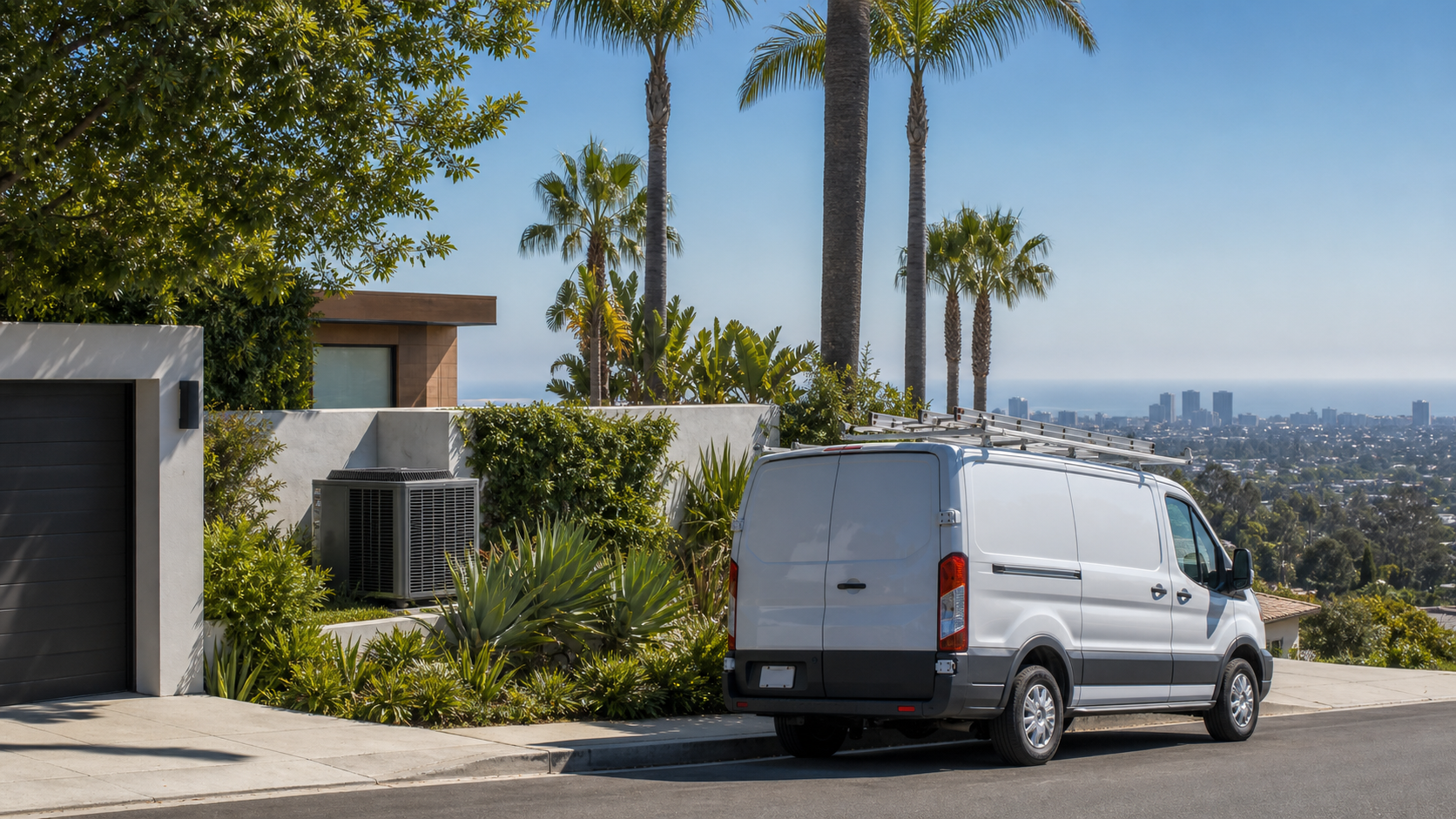
The guide is especially useful in Westside Los Angeles markets where equipment may sit on roofs, in side yards, behind landscape screens, in garages, closets, attics, utility rooms, old walls, or older service panels. Start with these area pages if you want market-specific details.
Homeowner Questions
Short answers for the questions that usually decide whether this is a repair, replacement, inspection, or emergency visit.
Is this guide a substitute for an inspection?
No. It helps prepare the right questions and booking details. The final decision depends on field conditions, code requirements, utility limits, and the exact property.
Why does this guide discuss multiple trades?
Westside Los Angeles home systems overlap. HVAC choices affect panels, leaks affect electrical safety, plumbing replacements affect venting and shutoffs, gas appliance choices affect utility routing, and access rules can decide the real scope.
What is the best next step after reading?
Open the related service page or book through https://nexfield.pro/crm/book?u=205 with photos, access notes, and urgency details.
Discreet Westside service notes
These visible review bodies are kept in exact parity with the JSON-LD review schema on this page.
Twelve-unit office building, three Aaon RN rooftop units at end of life, all needed replacement during a single weekend to avoid tenant disruption. Crane was scheduled for Saturday 6 AM, three units down by 11 AM, three new units set by 4 PM, all commissioned and tenants back to comfort by Monday morning. Building manager said it was the smoothest commercial swap she had been part of in 15 years of property management.
Castellammare ridge home with direct ocean exposure on the west elevation. Previous unit lasted seven years which the previous contractor said was normal for the area. West HVAC strongly disagreed and put in a Carrier 24VNA6 with the full corrosion package, stainless cabinet, and a custom hood to deflect direct salt spray. They are committed to a 12-year service life on this install with documented quarterly rinse maintenance.
Marquez Knolls home survived the Palisades fire but the equipment yard had heat damage and needed full replacement. We took the opportunity to convert from gas furnace to heat pump for resilience. Trane XV18 with electric backup heat. They also coordinated with our defensible space contractor for the new equipment screening. Inspector noted clean compliance with all post-fire code updates.