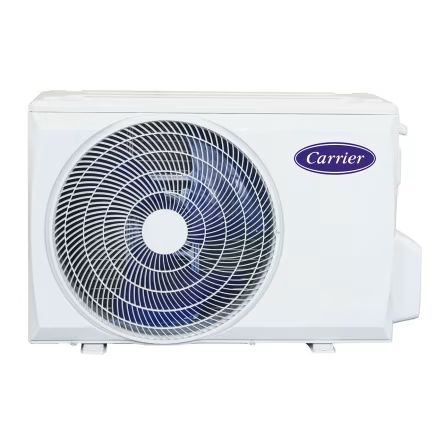

Carrier HVAC Installation in West Los Angeles

Variable-speed comfort systems and Infinity-style controls for premium central HVAC replacement planning. This page explains where Carrier can fit Westside LA homes and what must be checked before the brand recommendation becomes a real installation plan.

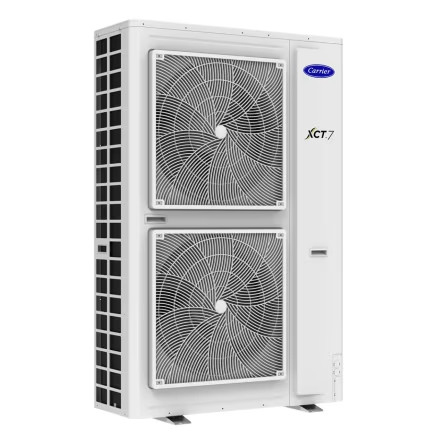
Carrier XCT7 side discharge outdoor units for premium residential comfort planning

Quick answer: when Carrier belongs in the conversation

Best when the home needs a polished central system, quiet staging, matched equipment, and control integration. That does not mean the project should start with a model number. In premium HVAC work, the house tells the truth first. A Westside home may have beautiful finishes and terrible return air. It may have a promising old condenser location that is too noisy for the property line. It may have enough visual space for outdoor equipment but not enough panel capacity for a heat pump. It may have an attic that looks accessible in photos but is too tight for proper duct transitions. The brand matters, but the installation conditions decide whether that brand can deliver comfort.

Carrier should be compared against the actual problem: hot upper floors, poor airflow, bedroom zoning, coastal corrosion, old ducts, sound sensitivity, energy-code questions, rebate verification, and whether electrical or plumbing support must happen first. A premium quote should explain the match. It should describe the equipment family, why it fits the home, what must be modified, what could go wrong, and which official or manufacturer documentation should be checked before work starts.

Best first move

Send photos of the existing condenser, indoor unit, thermostat, duct access, electrical panel, and proposed equipment location. Add the city or neighborhood, comfort complaints by room, brand preference, noise concerns, and any HOA, gate, estate-manager, or city inspection rules.
What can make a brand-name installation fail

A strong brand cannot rescue poor installation. High static pressure can make a premium air handler noisy and inefficient. Leaky ducts can waste capacity before conditioned air reaches the room. Undersized returns can shorten equipment life. A line set with poor routing can create oil return or aesthetic problems. A condenser placed near a bedroom, neighbor, or reflective wall can create a sound complaint. A coastal outdoor unit installed without corrosion-aware placement can age faster. A panel that cannot support the new load can delay the project or force a redesign after equipment is already selected.

That is why this page treats Carrier as one part of a system design. The right process is diagnosis, design, documentation, then installation. For Westside LA homes, the documentation may include model numbers, AHRI match verification where applicable, permit notes, equipment dimensions, line-set route, electrical disconnect or circuit notes, condensate path, screening or sound notes, and inspection expectations. The homeowner should see the reasoning before approving the project.

Brand-specific planning questions

  • Does Carrier fit the home's central ductwork, ductless zoning goals, or mixed system strategy?
  • Does the outdoor unit location work for sound, airflow, service access, screening, and property-line expectations?
  • Does the electrical panel have capacity for the proposed heat pump, air handler, controls, EV charger, and future electrification?
  • Does the project need duct repair, return-air work, zoning controls, thermostat changes, or condensate safety upgrades?
  • Does the home's city, canyon, coastal, HOA, or estate access profile change the timeline or permit path?

Where Carrier questions come up locally

These neighborhoods often need brand selection to account for access, sound, finish protection, corrosion, ducts, or electrical capacity.

East Gate Bel Air

guarded estate pocket where access windows and finish protection control the service plan. Watch for airflow imbalance and aging ducts.

East Gate Bel Air premium install page

West Gate Bel Air

west-side estate pocket with canyon access, older ducts, and high-value finishes. Watch for high static pressure and noisy condensers.

West Gate Bel Air premium install page

Holmby Hills

estate and mansion market with large system capacity, equipment screening, and privacy expectations. Watch for wrong equipment matching and duct leakage.

Holmby Hills premium install page

Beverly Crest

ridge and canyon residential market where hillside access and heat exposure change HVAC planning. Watch for canyon heat pockets and undersized ducts.

Beverly Crest premium install page

Beverly Hills Post Office

Los Angeles-address luxury hillside market with Beverly Hills identity but LADBS-style address verification. Watch for wrong jurisdiction assumptions and canyon heat.

Beverly Hills Post Office premium install page

Benedict Canyon

deep canyon luxury-home market with long drives, shade swings, and difficult equipment access. Watch for airflow imbalance and heat load swings.

Benedict Canyon premium install page

Beverly Glen

canyon corridor with compact lots, older homes, and steep service conditions. Watch for hot upper rooms and ductless condensate issues.

Beverly Glen premium install page

How Carrier connects to electrical and plumbing support

Premium HVAC installation is not isolated from the rest of the home. If the project is a heat pump, the electrical panel and available capacity must be understood before the equipment is treated as approved. If the owner also wants an EV charger, induction range, ADU load, or heat pump water heater, the electrical plan should be sequenced so the HVAC project does not steal capacity from the next upgrade. If the indoor unit shares a garage, closet, roof, or mechanical room with water heaters or drains, plumbing issues can affect condensate, leak protection, venting, and access.

That is the practical reason this website includes electrical and plumbing pages. They are not random upsells. They solve the blockers that make a premium HVAC installation succeed: panel upgrades, dedicated circuits, EV charger planning, water heater replacement, heat pump water heaters, leak detection, drain access, and emergency make-safe work. In a Westside home, the cost of ignoring those blockers is often higher than the cost of planning them early.

Electrical readiness

Panel capacity, disconnects, dedicated circuits, control wiring, and future EV charging can all change whether a premium heat pump plan is realistic.

Plumbing adjacency

Condensate drains, water heaters, garage equipment, hidden leaks, and shutoffs can affect the installation path and damage risk.

Permit context

LADBS, Beverly Hills, Malibu, Santa Monica, West Hollywood, and LA County requirements depend on address and final scope.

Brand evidence

Manufacturer pages are useful, but the field install must still verify match, access, sound, airflow, and commissioning.

Ready to compare Carrier against the actual house?

Send the brand preference, system photos, panel photos, room comfort complaints, access rules, and city. The booking link is the single external scheduling path used across the site.

Homeowner Questions

Short answers for the questions that usually decide whether this is a repair, replacement, inspection, or emergency visit.

Is Carrier always the best HVAC brand for Westside Los Angeles homes?

No. Carrier can be a strong fit when the home matches the system type, but ducts, zoning goals, condenser placement, electrical capacity, sound expectations, coastal exposure, and budget should decide the recommendation.

What makes a Carrier installation premium instead of ordinary?

The difference is the installation process: load and duct review, AHRI matched-system documentation where applicable, static pressure checks, return-air planning, line-set routing, electrical review, quiet placement, condensate planning, and careful protection of finishes.

Can electrical or plumbing work affect the HVAC brand decision?

Yes. Heat pump and variable-speed systems may require electrical load review, dedicated circuits, panel upgrades, or control wiring. Water heaters, condensate drains, leak protection, and mechanical-room plumbing can also affect placement and project sequencing.

Where should I start if I already prefer this brand?

Use https://nexfield.pro/crm/book?u=205 and send system labels, panel photos, comfort goals, rooms that run hot or cold, access notes, sound concerns, and whether the project is repair-first or replacement-ready.

Carrier installation review notes

These visible review bodies are kept in exact parity with the JSON-LD review schema on this page.

M. Shapiro Brentwood Park

We had hot rooms upstairs and a noisy old condenser. The assessment connected duct leakage, return air, equipment sizing, and quiet placement instead of pushing the most expensive model first.

R. Leung Trousdale Estates

The crew protected the floors, kept the roof work discreet, and documented the matched equipment. The final system is quieter and the rooms balance better than before.

C. Weiss Benedict Canyon

Our canyon access was the hard part. They planned the equipment path, line-set route, electrical review, and condensate drainage before the installation day, which avoided a messy surprise.

Design Call