What a ductless mini-split installation project actually involves in The Summit
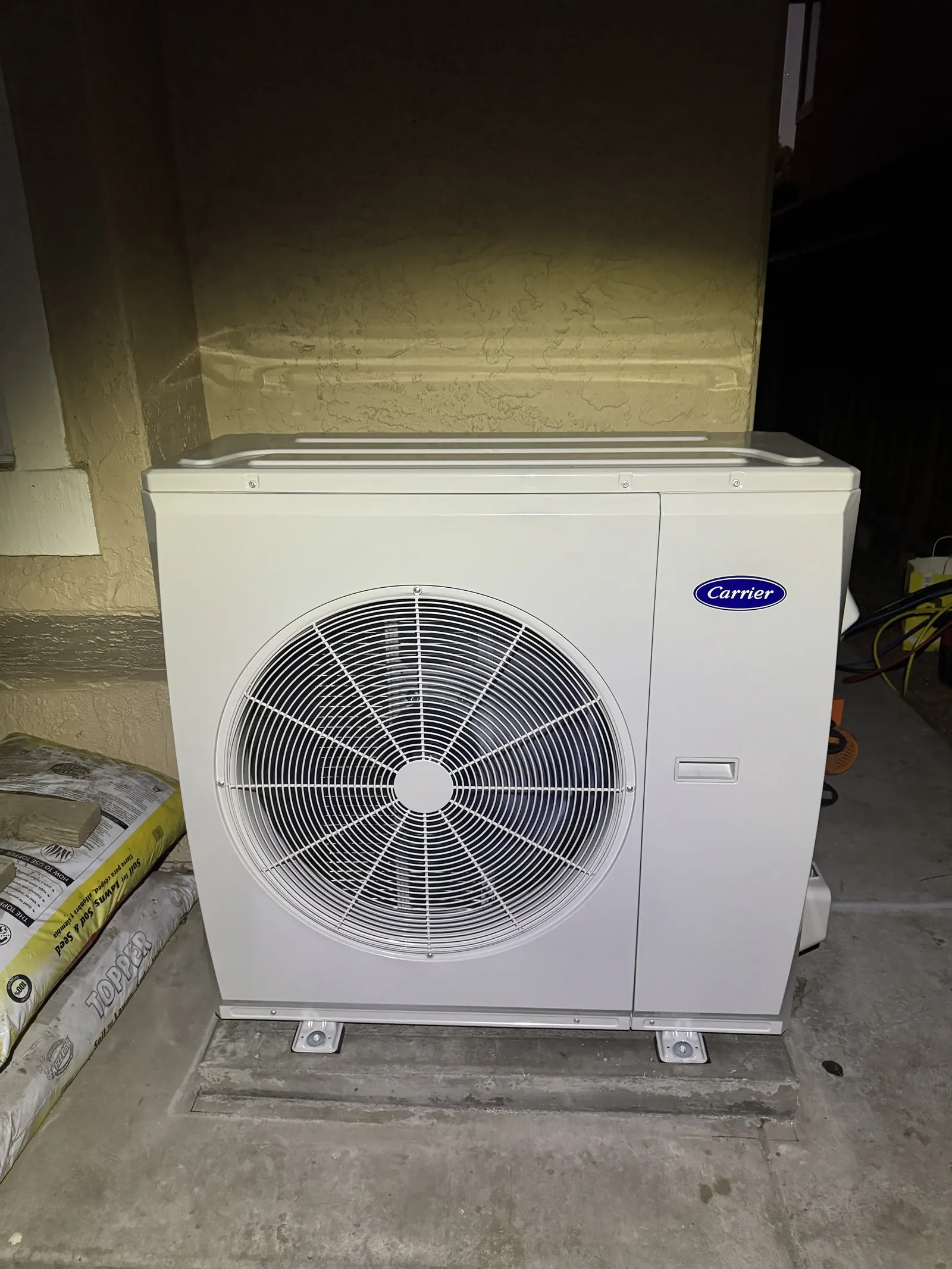
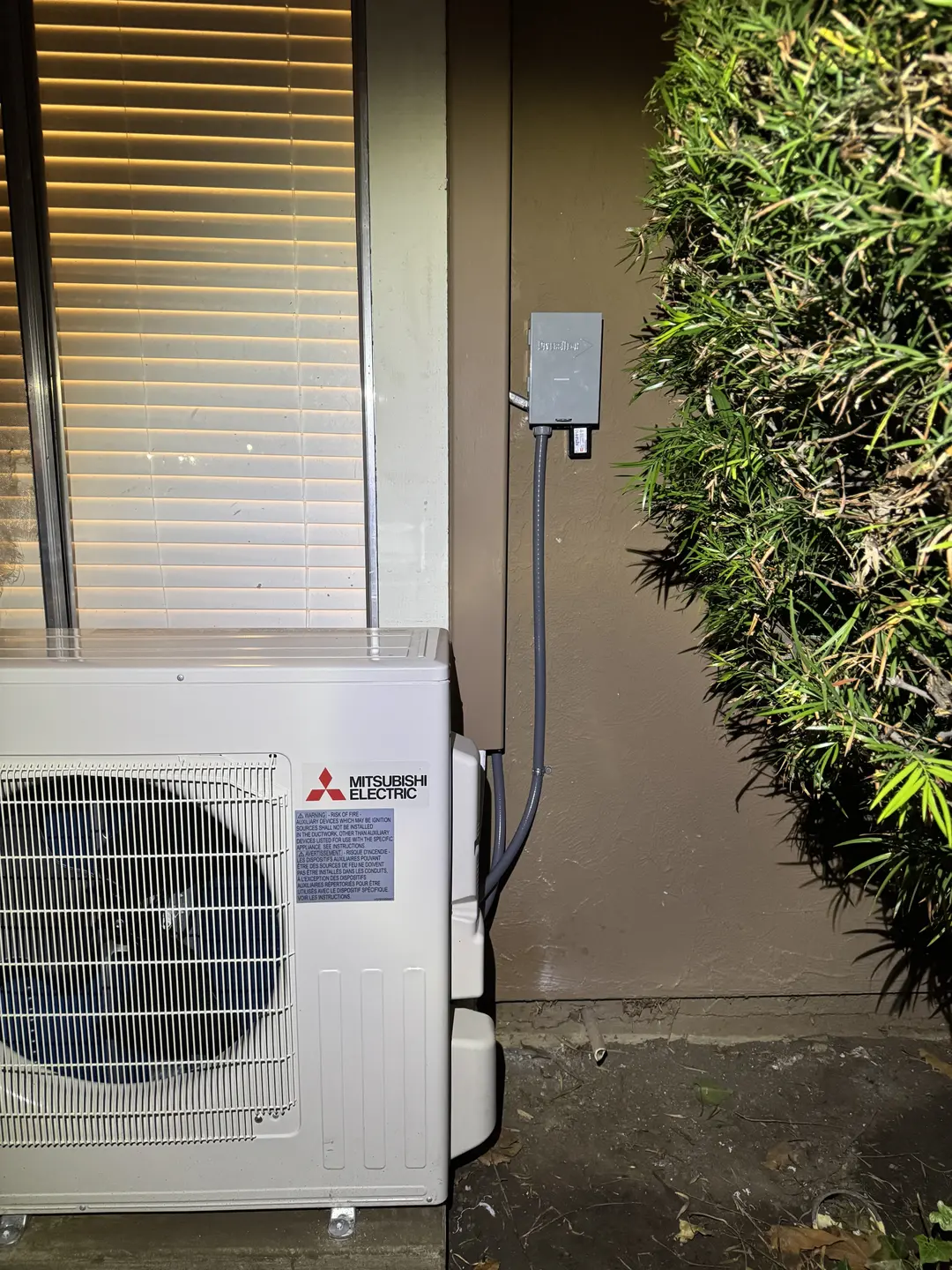
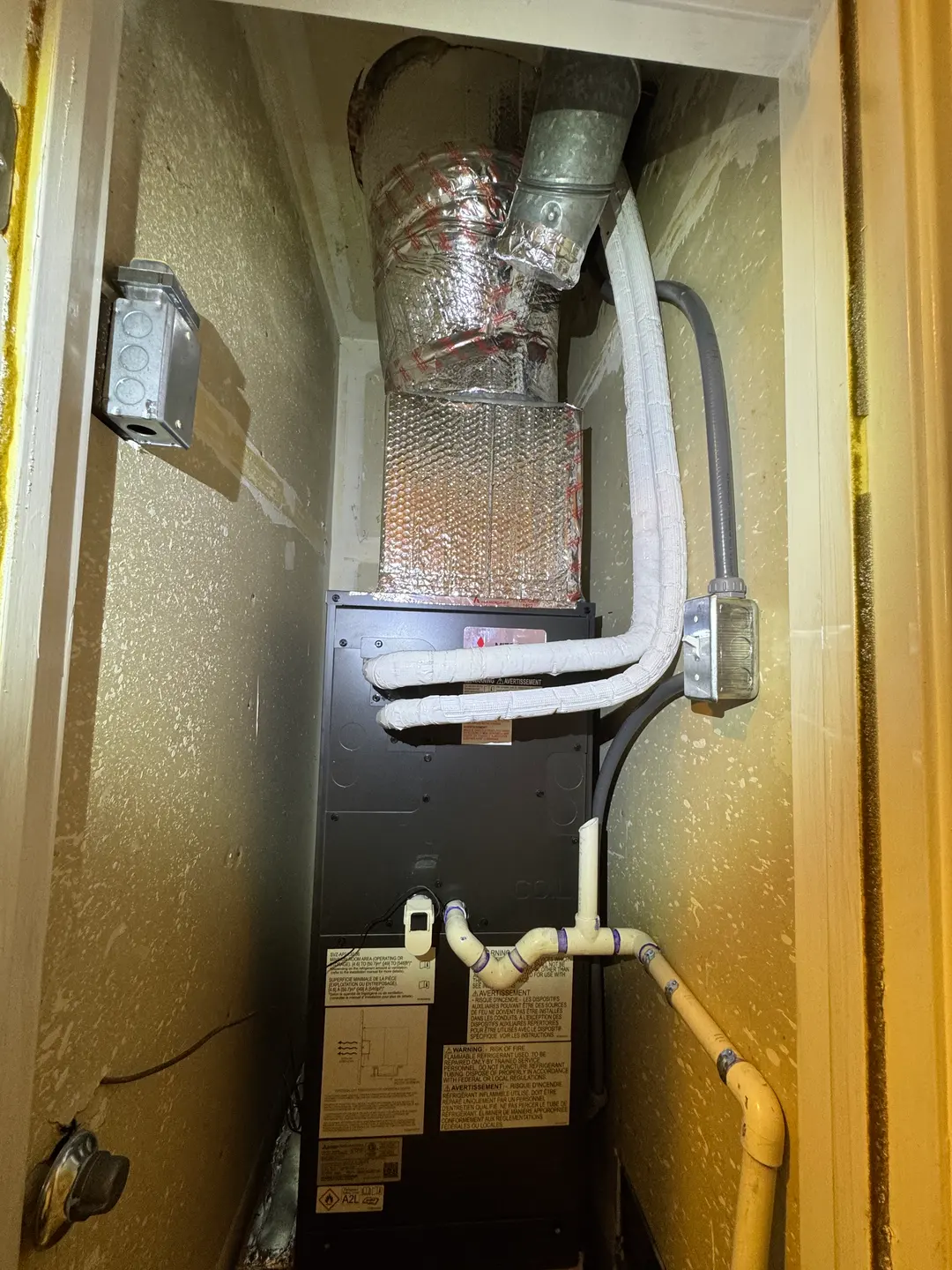
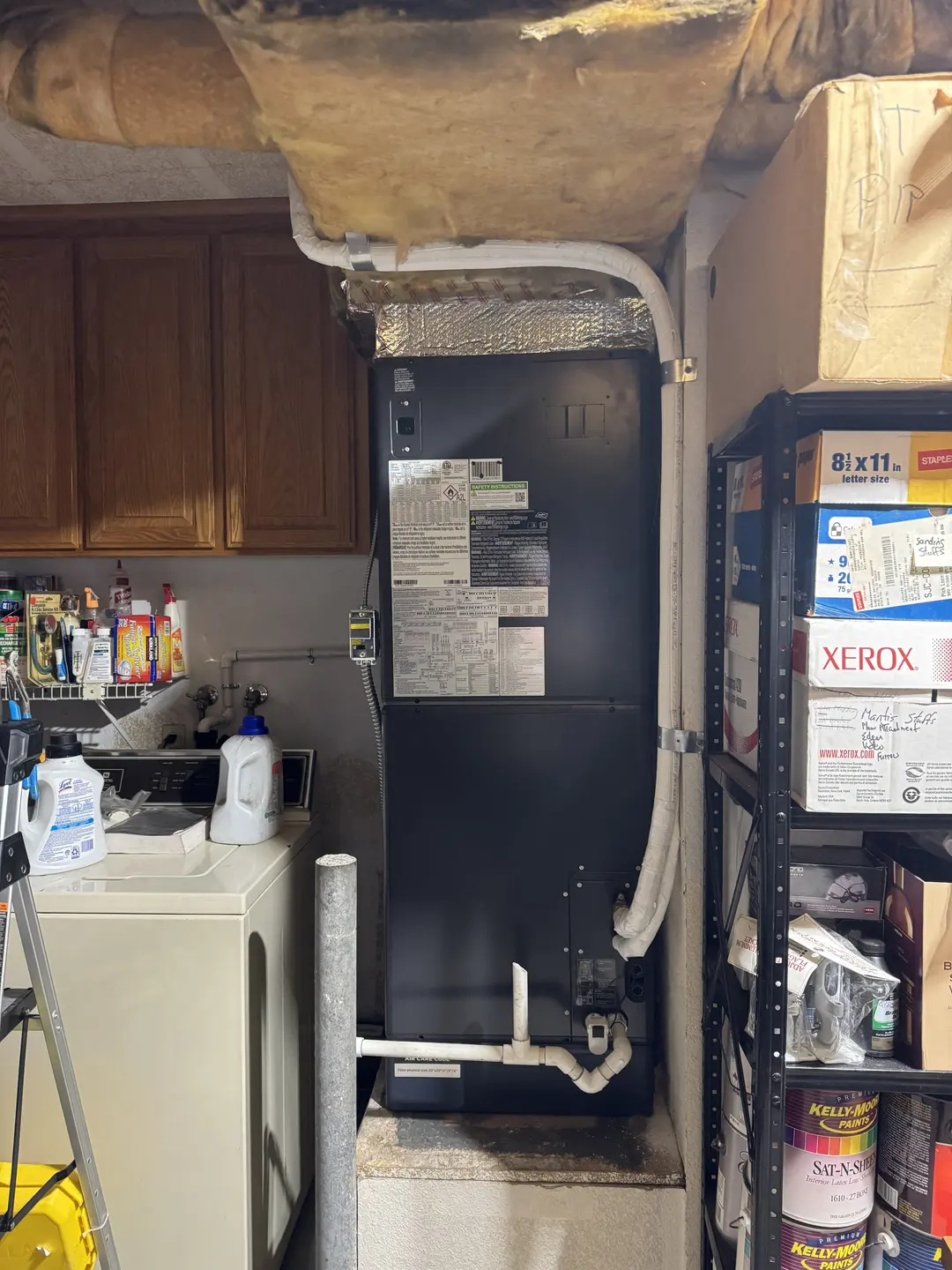
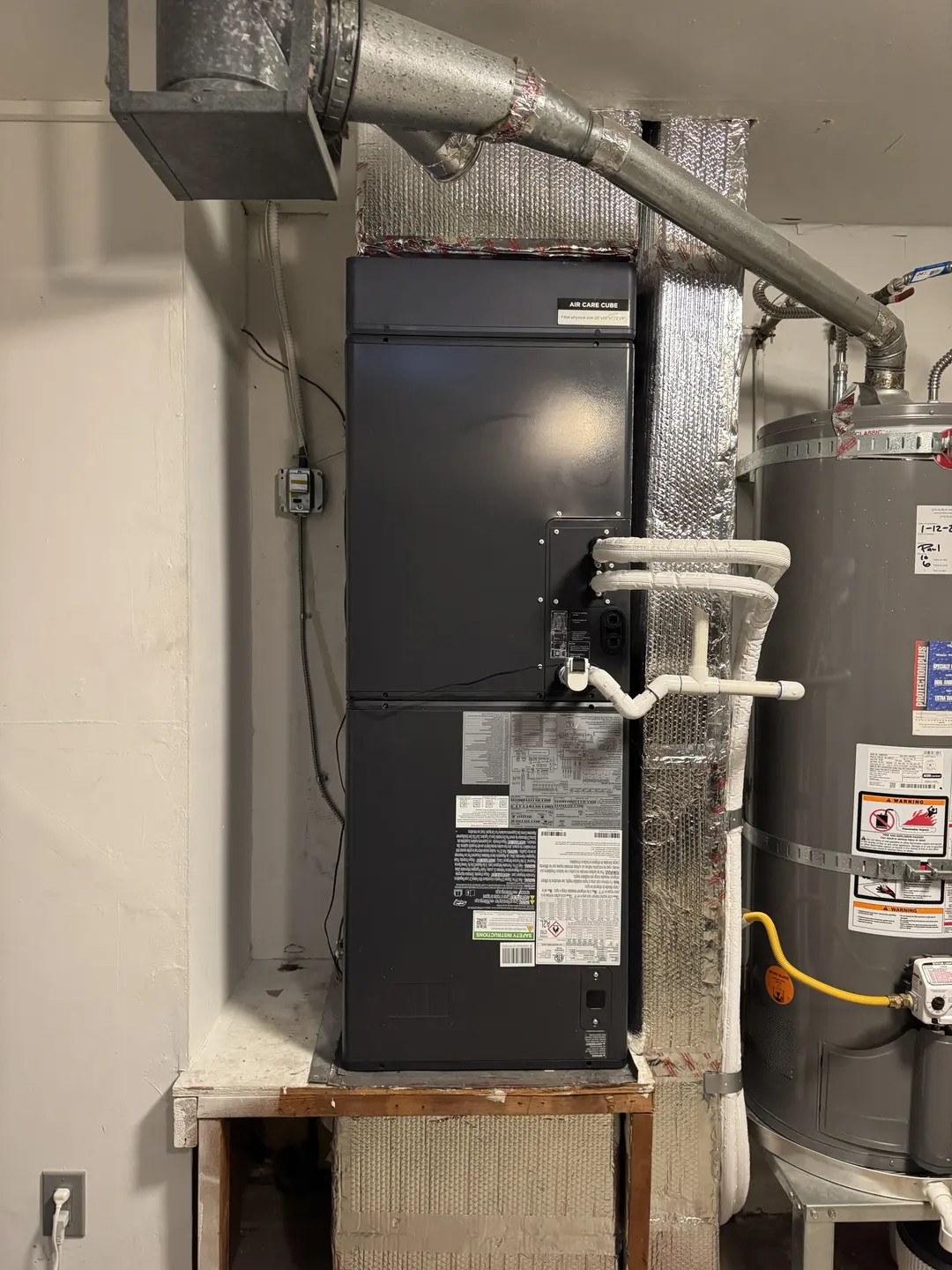
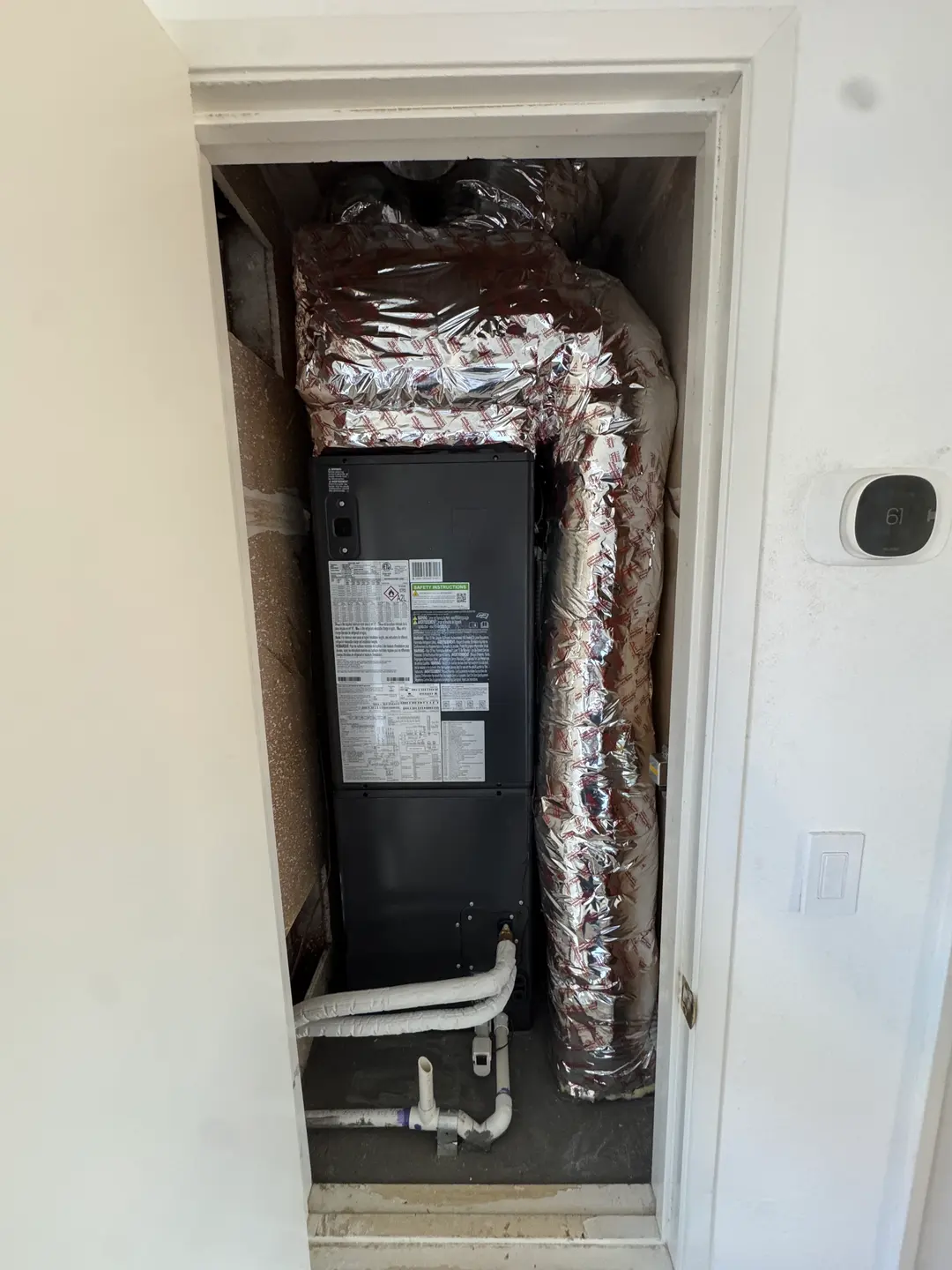
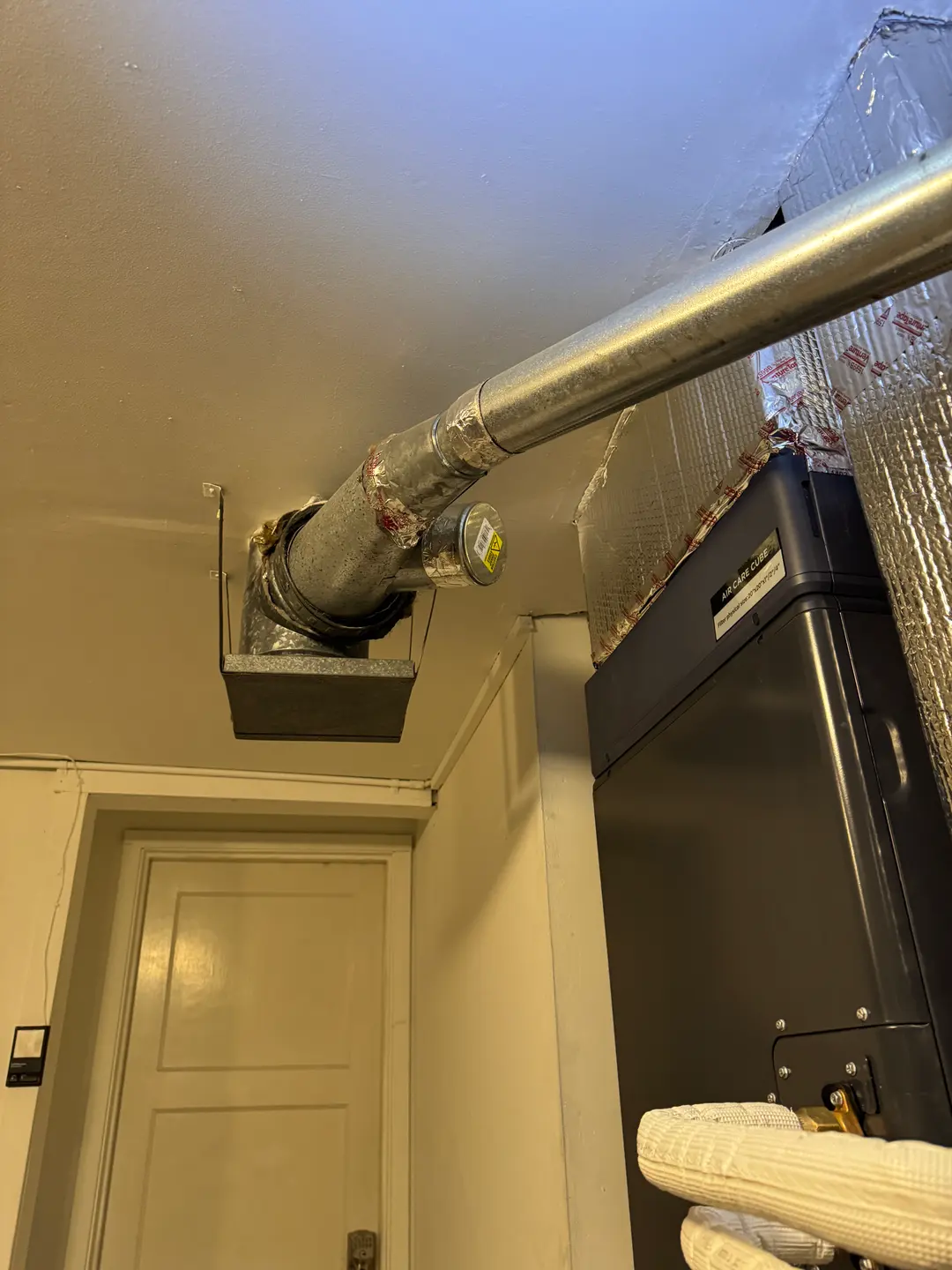
Ductless Mini-Split Installation done right in The Summit means measuring number of zones, documenting line-set length, and planning around gate coordination before the install crew arrives. The Summit pages should emphasize design review and staging.
Field reality in The Summit: large hillside homes, multi-zone systems, roof or pad equipment, guest spaces, remodeled interiors. Each of those building types has its own static-pressure profile, line-set route, electrical load curve, and finish-protection cost. Ductless Mini-Split Installation priced for one type can be 30–40% off for another. A real estimate starts with photos and a site visit, not a square-footage multiplier.
The Summit field profile
The Summit reference points: Mulholland Drive, guarded ridge entries, hillside lots, canyon exposures. Building mix on the block: large hillside homes, multi-zone systems, roof or pad equipment, guest spaces, remodeled interiors. Access constraints we plan for: gate coordination, steep driveway staging, equipment screening, line-set planning, noise review. Risks we measure for: canyon heat, old ducts, sound transfer, electrical load, condensate routing. Seasonal operating context: canyon heat pockets, marine-layer mornings, wildfire smoke events, summer high-load cooling, winter hillside moisture. Permit jurisdiction: City of Los Angeles, Beverly Hills, or LA County by exact address. Utility context: City of Los Angeles addresses may involve LADWP electric and water service, LADBS permits, and SoCalGas gas-appliance context; exact utility should be verified by address.
Sizing, brand selection, and placement
Common failure patterns we find on The Summit ductless mini-split installation jobs: visible line-set mistakes; condensate leaks; wrong indoor head location; vibration transfer. None of these are exotic. They are the predictable consequences of canyon heat plus aging building systems. The estimate accounts for them up front instead of pretending they will not appear.
What we do not do: keep resetting breakers on a tripping circuit, run water into a backed-up drain, operate HVAC equipment that smells hot or is spilling water, or quote replacement before a real diagnostic. Those shortcuts turn small repairs into bigger damage.
How the existing building decides the scope
The repair-versus-replace decision hinges on three numbers: cost of the proposed repair, expected remaining life if repaired, and SEER2/HSPF2 differential if replaced. On premium homes in The Summit, sound performance and condensate route are also part of the decision. We document all four before recommending.
Permit pathway through the local jurisdiction
Ductless installation can require mechanical and electrical permits when new circuits, outdoor equipment, condensate routing, penetrations, or multi-zone system changes are involved. For this market specifically: LADBS, Beverly Hills, or LA County permit context should be verified before HVAC replacement, panel work, water-heater replacement, or exterior equipment relocation.
The replacement scope opens with photos and a site walk. We measure static pressure, photograph the panel main breaker, list comfort complaints by room, and confirm whether HOA, estate-manager, or jurisdictional review is going to be in the project critical path. Inspection-day documentation is prepared from day one — AHRI certificate, equipment serial numbers, electrical disconnect routing, condensate plan.
Commissioning and the close-out package
When you book ductless mini-split installation, send: photos of existing equipment, photo of the breaker panel, comfort complaints by room, brand preference if any, and any HOA or estate-manager rules. The thicker the note, the faster The Summit dispatch can pre-stage the right truck. https://nexfield.pro/crm/book?u=205