What a leak detection inspection actually documents in Reynier Village
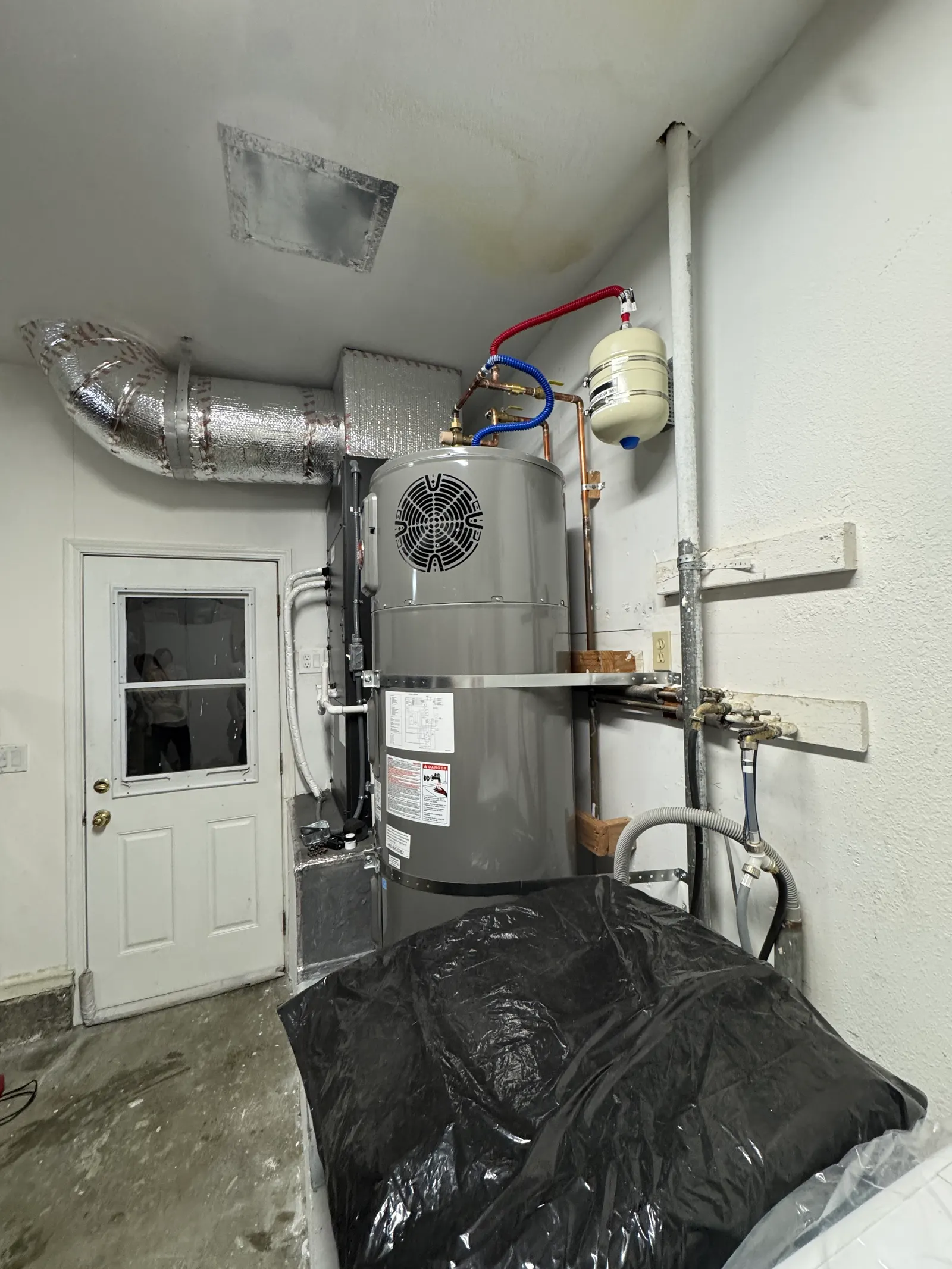
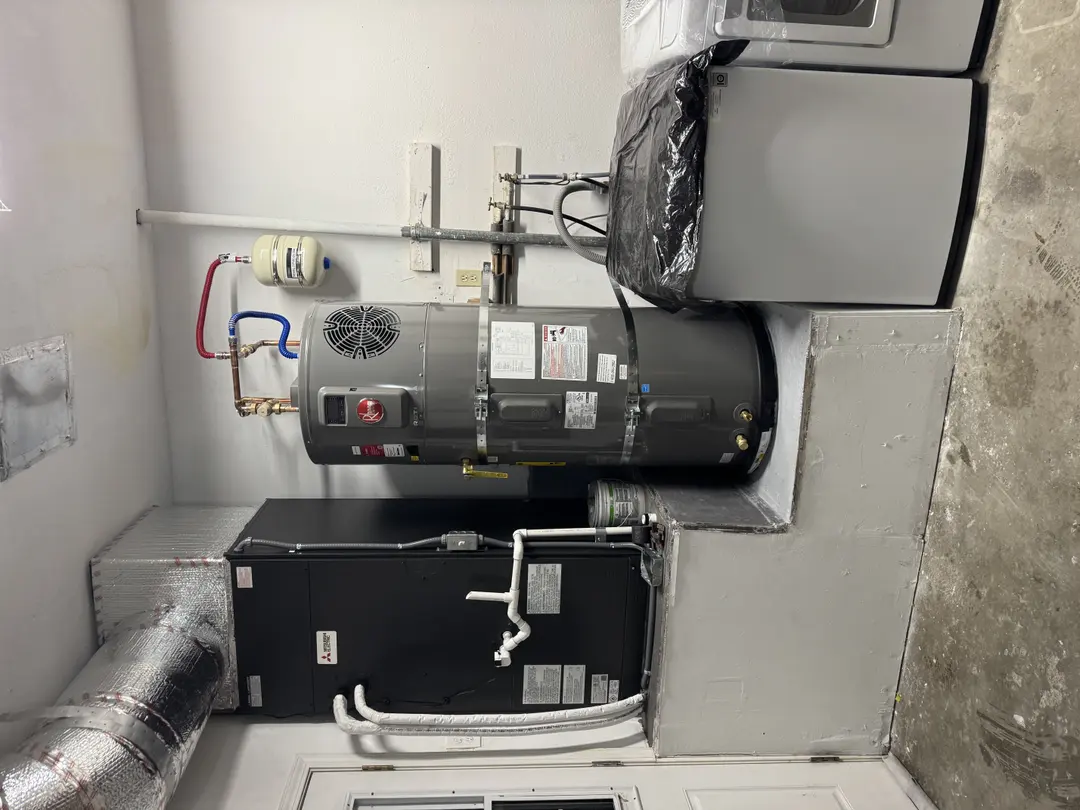
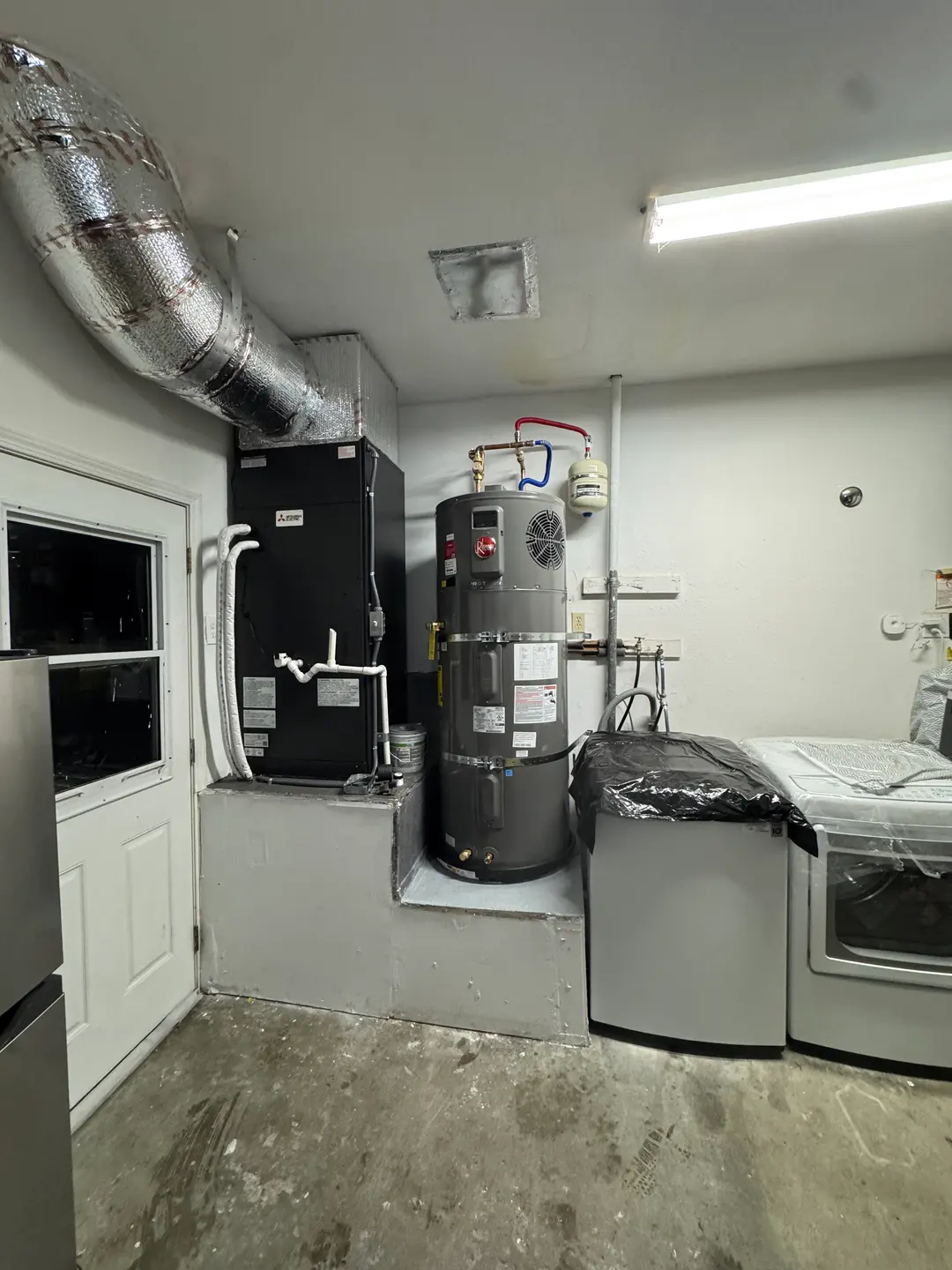
The right way to plan leak detection for a Reynier Village property: photograph the equipment, note limited parking and attic or crawl access, and tell us what failed. We translate that into a Manual-J-style load review, wall or slab access measurement, and a written scope before any equipment is ordered.
Reynier Village carries a specific operational tax on every install: limited parking, tight side yards, attic or crawl access, tenant-owner scheduling. None of those show up on a manufacturer's installation manual. They show up in field hours, in callback frequency, and in whether the inspector signs off on the first visit.
Reynier Village field profile
Three numbers that matter for Reynier Village HVAC: Reynier Village as the navigation anchor, bungalows as the dominant building type, and old panels as the most common failure pattern. Around them, the install scope adapts. LADBS mechanical, electrical, plumbing, and inspection context often matters for heat pumps, condensers, panel work, EV chargers, water heaters, ductless line sets, rooftop/package equipment, multifamily common areas, and remodel-connected MEP work; nearby Beverly Hills, Culver City, and West Hollywood addresses should be verified separately.
Where measurements diverge from spec
If a leak detection contractor in Reynier Village hands you a quote in under ten minutes without seeing the equipment, the ducts, and the panel, the project will overrun. mold growth and electrical contact are not visible from the curb. old panels and ductless line-set routing are local-specific. Both deserve a real walk-through before the number lands.
What we do not do: keep resetting breakers on a tripping circuit, run water into a backed-up drain, operate HVAC equipment that smells hot or is spilling water, or quote replacement before a real diagnostic. Those shortcuts turn small repairs into bigger damage.
When inspection turns into a punch list
Inspection-oriented work is its own deliverable: what exists now, what is unsafe, what can be repaired, what needs replacement, what might require a permit, and what another trade should review. On Reynier Village estate and remodel projects this often produces a punch list, not a single recommendation. That is the right outcome.
Permit and code-compliance findings
Leak locating usually starts as diagnostic work; pipe repair, wall opening, repiping, water-heater replacement, or gas-line work may require permits depending on final scope. For this market specifically: LADBS mechanical, electrical, plumbing, and inspection context often matters for heat pumps, condensers, panel work, EV chargers, water heaters, ductless line sets, rooftop/package equipment, multifamily common areas, and remodel-connected MEP work; nearby Beverly Hills, Culver City, and West Hollywood addresses should be verified separately.
The replacement scope opens with photos and a site walk. We measure static pressure, photograph the panel main breaker, list comfort complaints by room, and confirm whether HOA, estate-manager, or jurisdictional review is going to be in the project critical path. Inspection-day documentation is prepared from day one — AHRI certificate, equipment serial numbers, electrical disconnect routing, condensate plan.
Deliverable: written report
Real talk: bookings with full prep notes get scheduled in 48 hours. Bookings with no detail bounce back asking for the same info, which adds three days. Reynier Village leak detection is too time-sensitive for that game — front-load the photos and the access notes.