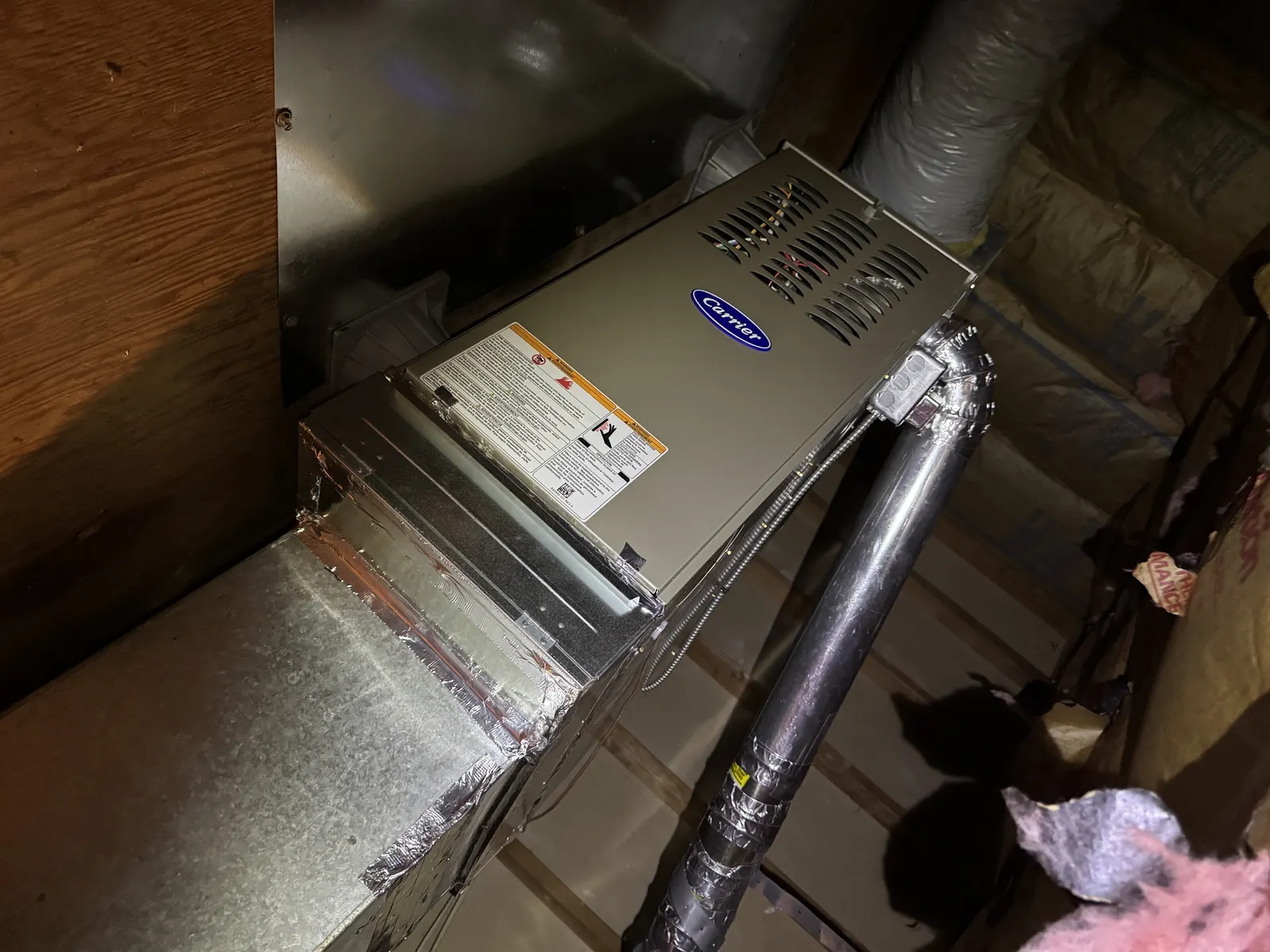
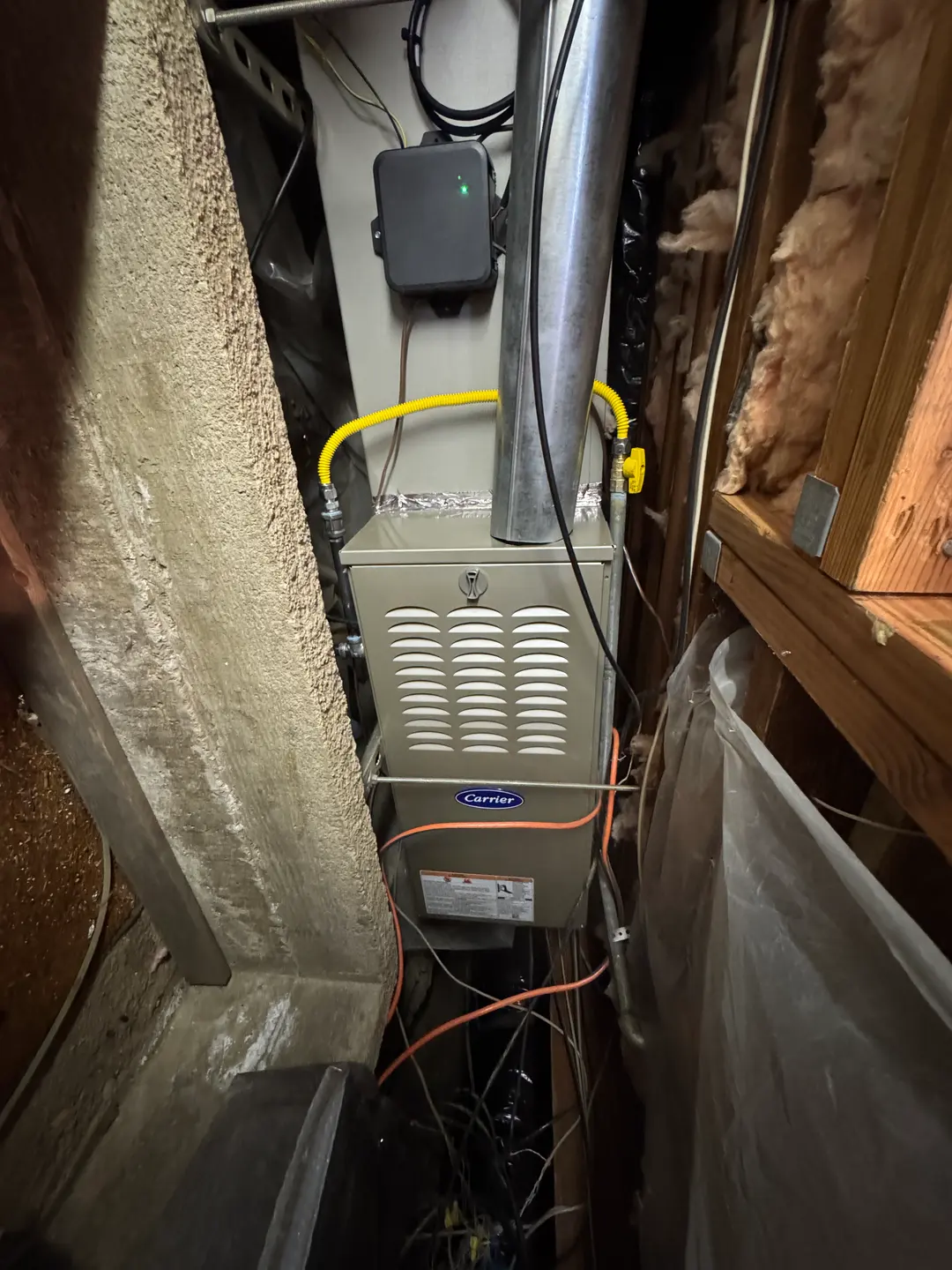
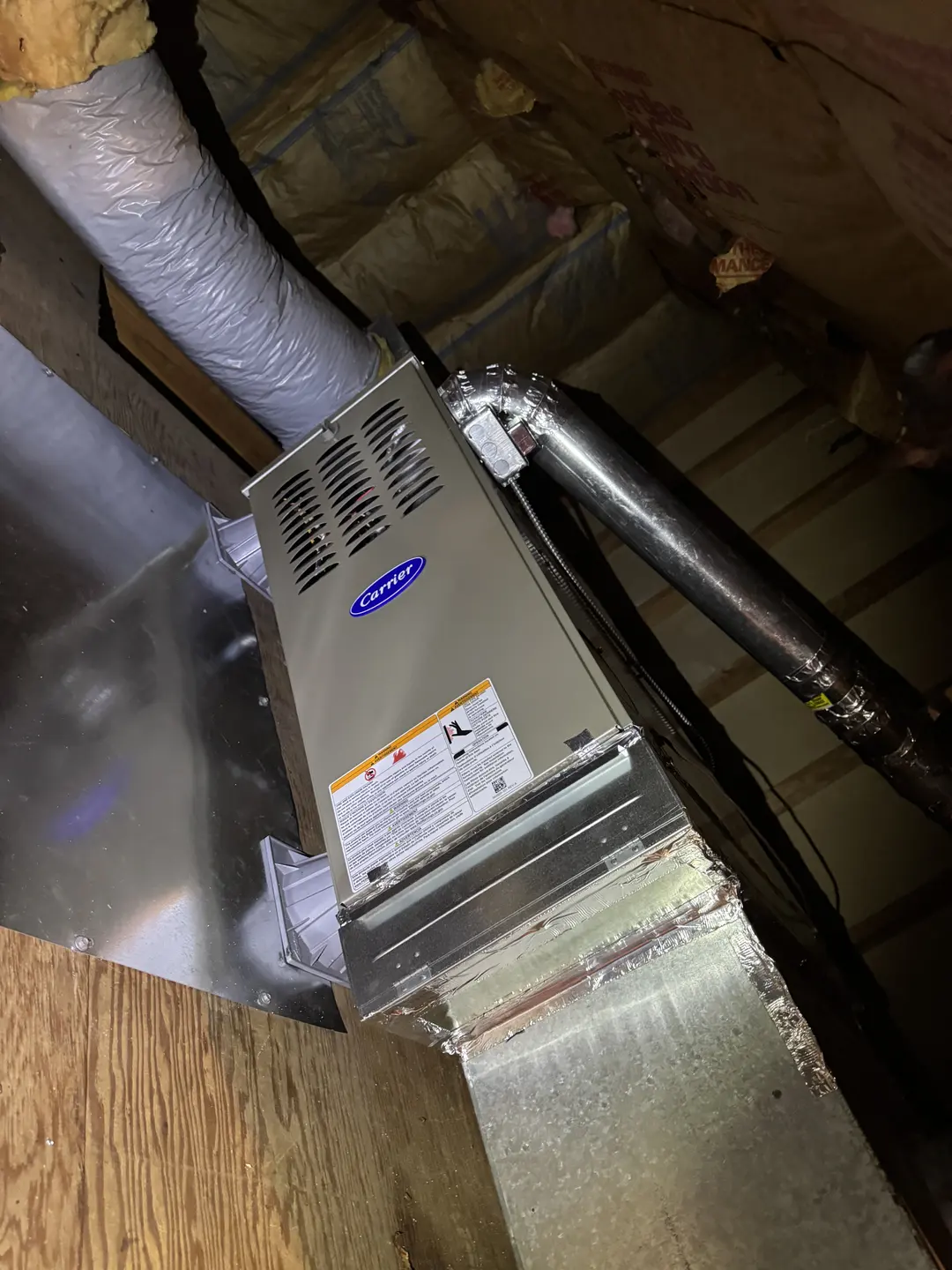
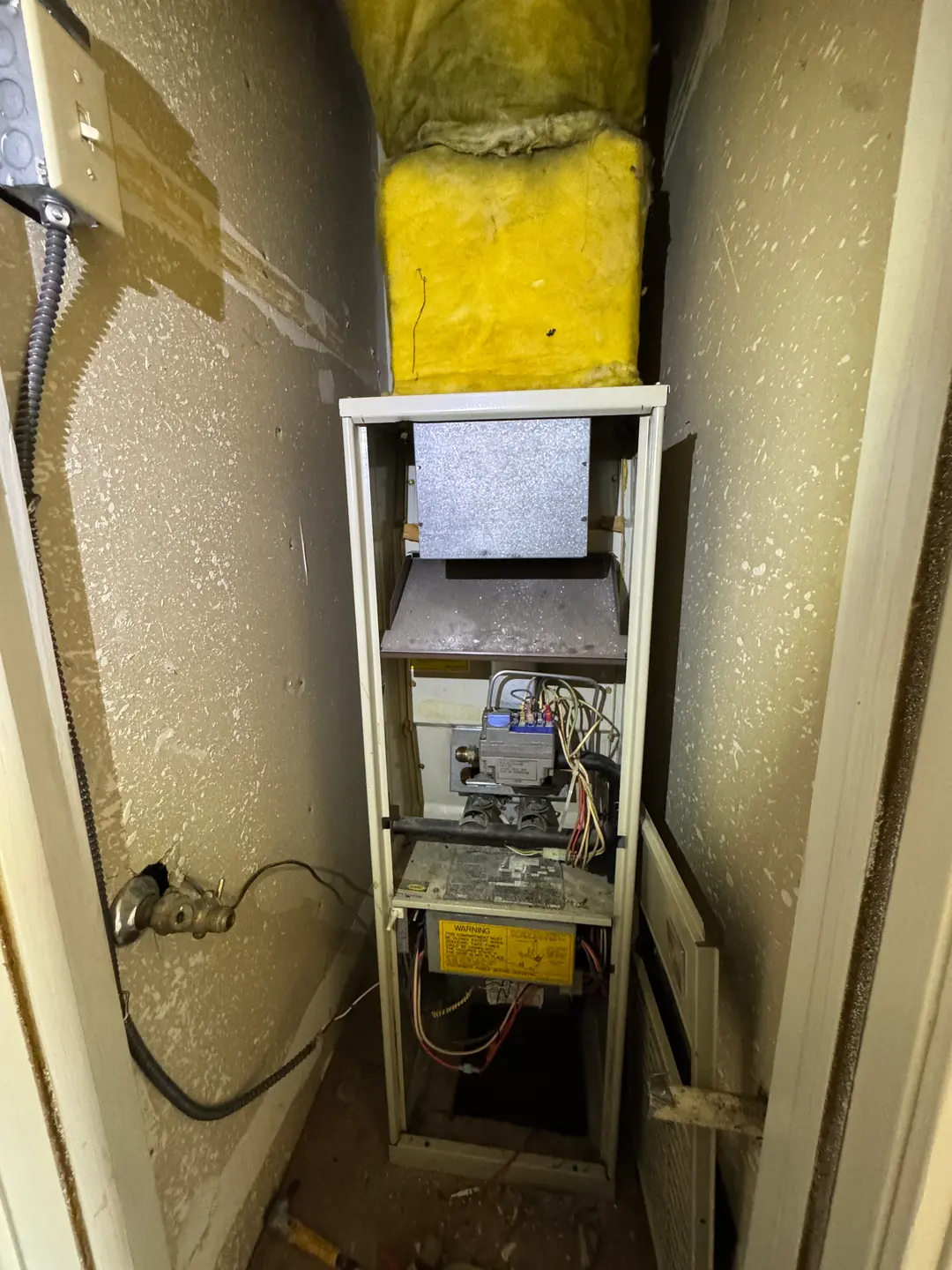
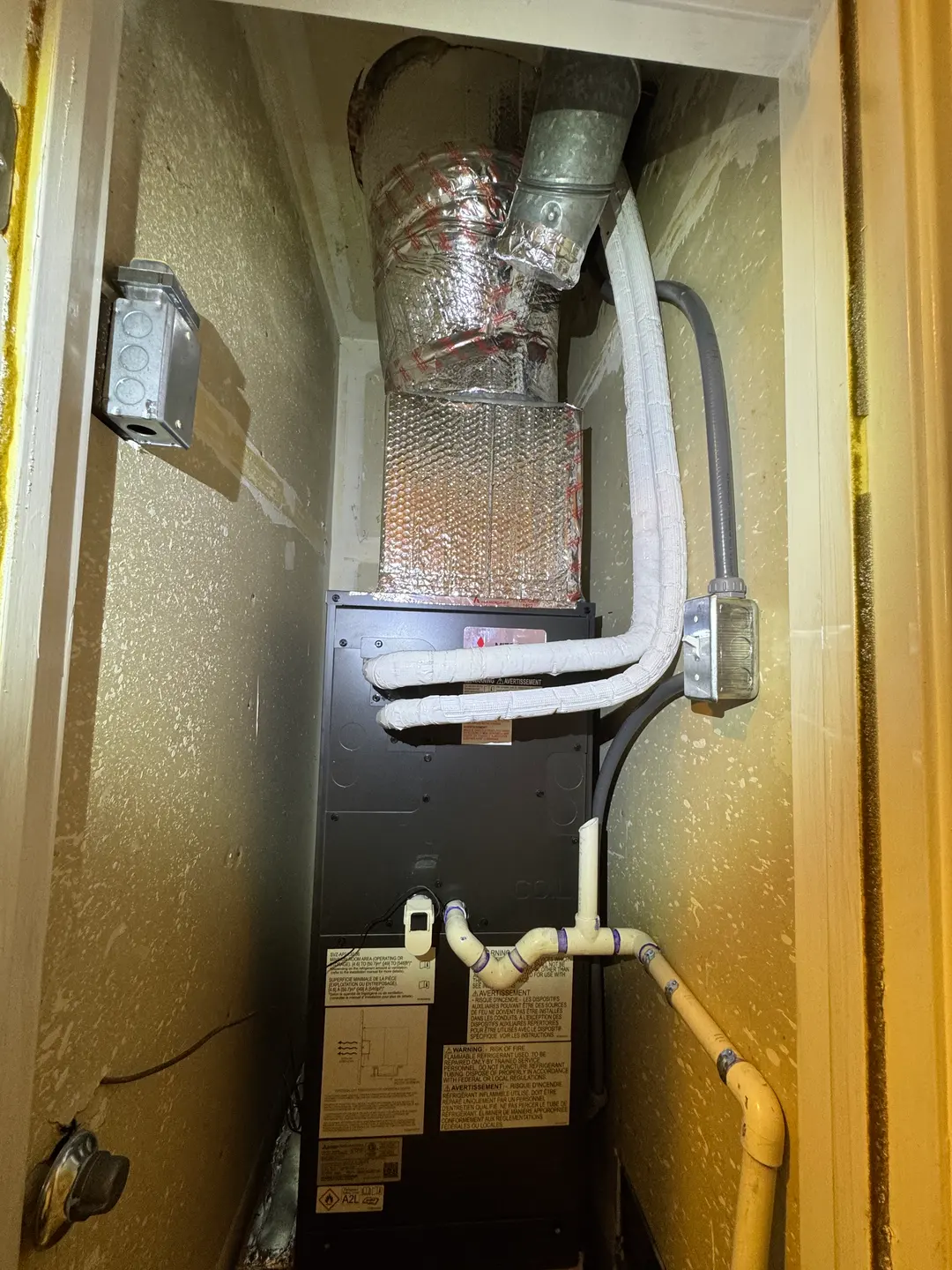
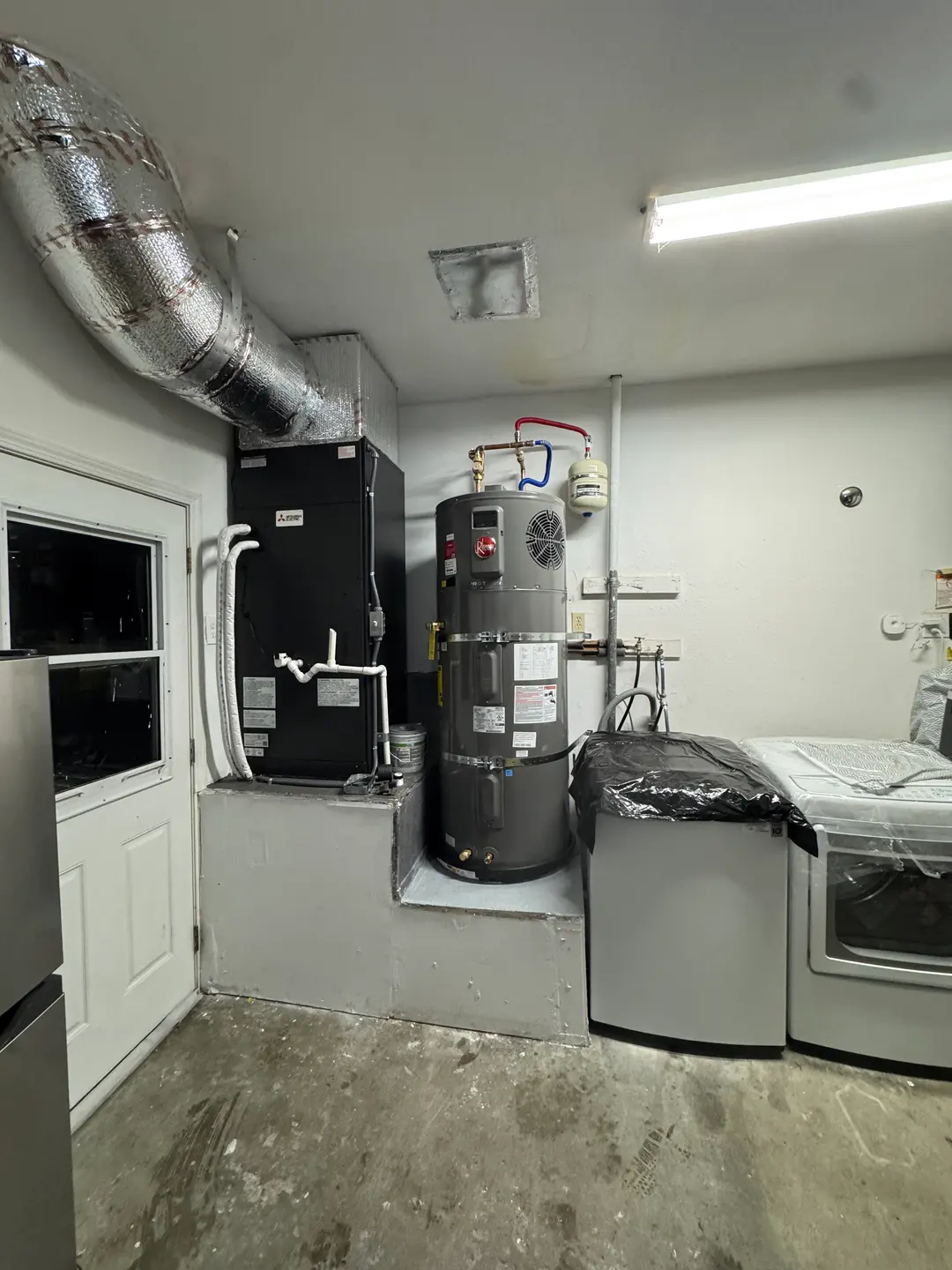
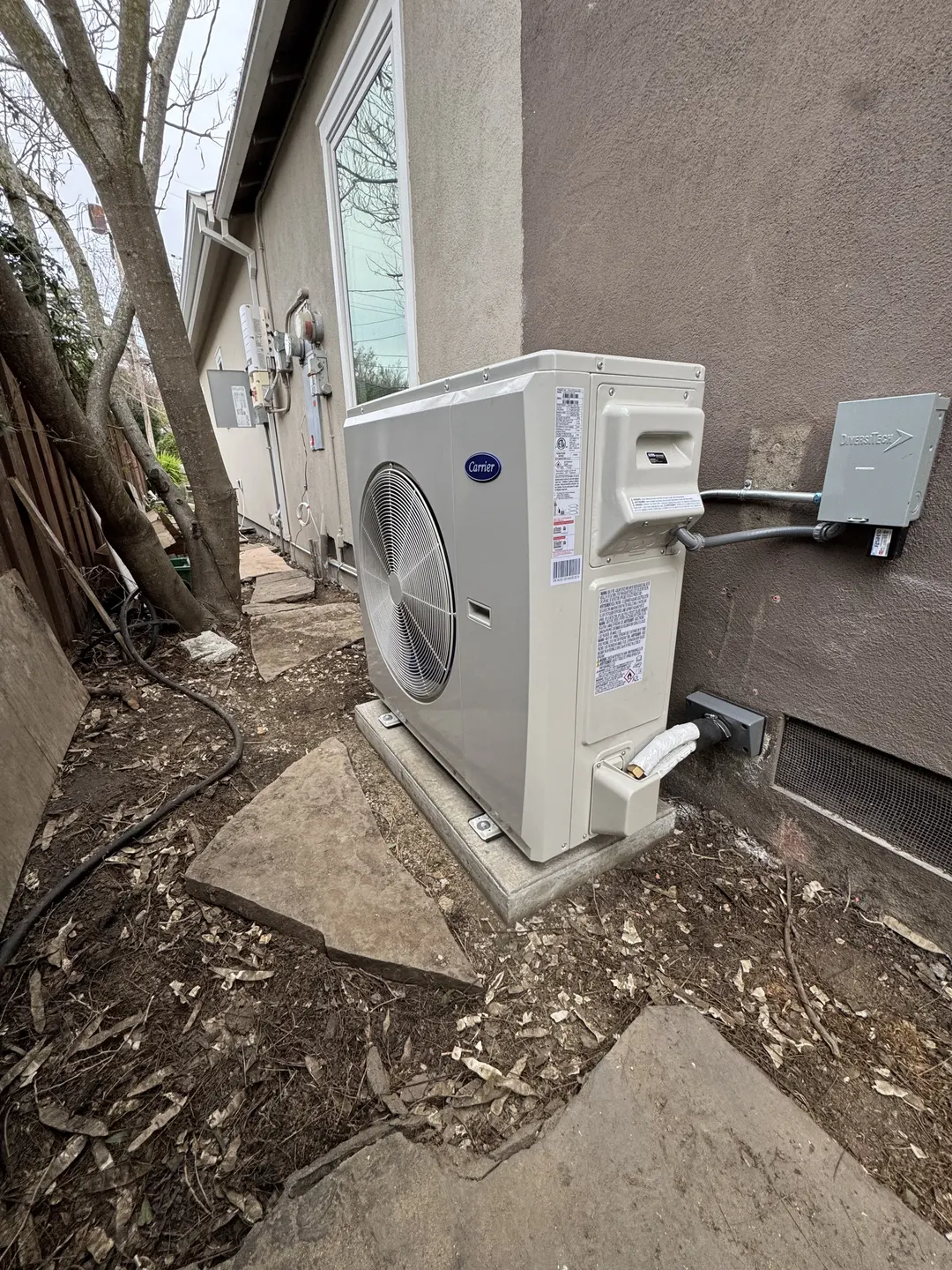
emergency HVAC repair emergency response in Pico-Robertson
Pico-Robertson emergency HVAC repair is not a city-swap of a generic install. Pico-Robertson pages should anchor the site to the GMB address and speak to real Westside retrofit work: mini-splits, heat pumps, panel readiness, water heaters, drains, and building-access planning — and that shapes equipment choice, line-set routing, electrical review, and the cost discussion.
The most expensive mistake on a Pico-Robertson emergency HVAC repair project is treating the property like an equipment swap. Pico-Robertson pages should anchor the site to the GMB address and speak to real Westside retrofit work: mini-splits, heat pumps, panel readiness, water heaters, drains, and building-access planning. The scope has to read the vintage multifamily buildings and the duplexes as different jobs, even when the equipment list looks similar.
Pico-Robertson field profile
Three numbers that matter for Pico-Robertson HVAC: 8686 W Olympic Blvd as the navigation anchor, vintage multifamily buildings as the dominant building type, and old wall furnaces and window units as the most common failure pattern. Around them, the install scope adapts. LADBS mechanical, electrical, plumbing, and inspection context often matters for heat pumps, condensers, panel work, EV chargers, water heaters, ductless line sets, rooftop/package equipment, multifamily common areas, and remodel-connected MEP work; nearby Beverly Hills, Culver City, and West Hollywood addresses should be verified separately.
How we triage on the call before the truck rolls
Our most common save on Pico-Robertson emergency HVAC repair jobs: catching burning smell before equipment is ordered. The next most common: pricing undersized panels into the scope so the homeowner is not surprised by the discovery. Neither is exotic — both are about doing the visible work that bargain quotes skip.
What we do not do: keep resetting breakers on a tripping circuit, run water into a backed-up drain, operate HVAC equipment that smells hot or is spilling water, or quote replacement before a real diagnostic. Those shortcuts turn small repairs into bigger damage.
What the first 60 minutes look like
emergency hvac can stay a repair, become a planned replacement, or escalate into a remodel-adjacent project. Each path has a different price, a different timeline, and a different inspection trail. Our role on a Pico-Robertson job is to keep all three options on the table until the diagnostic narrows them.
Make-safe vs full repair vs replacement triage
Emergency HVAC diagnostics can start with make-safe work; replacement, electrical changes, equipment relocation, or major mechanical scope should still be documented and permitted where required. For this market specifically: LADBS mechanical, electrical, plumbing, and inspection context often matters for heat pumps, condensers, panel work, EV chargers, water heaters, ductless line sets, rooftop/package equipment, multifamily common areas, and remodel-connected MEP work; nearby Beverly Hills, Culver City, and West Hollywood addresses should be verified separately.
The replacement scope opens with photos and a site walk. We measure static pressure, photograph the panel main breaker, list comfort complaints by room, and confirm whether HOA, estate-manager, or jurisdictional review is going to be in the project critical path. Inspection-day documentation is prepared from day one — AHRI certificate, equipment serial numbers, electrical disconnect routing, condensate plan.
Documentation handed off after the visit
Booking detail pays back as scheduled-window precision. A Pico-Robertson emergency HVAC repair call with equipment photos, panel photos, and access notes lands within a 60-minute window. Without those details, the window stretches to half a day because the truck has to bring everything for everything.